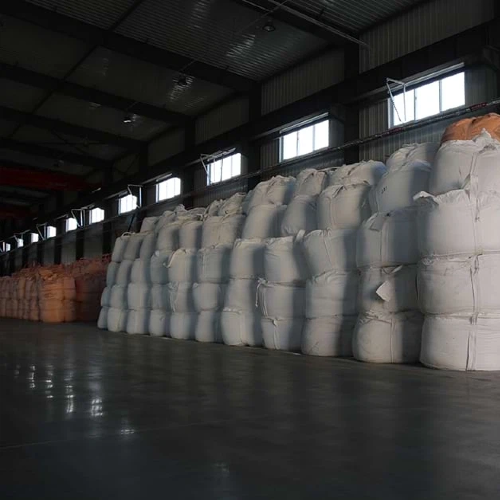
PVC extrusion processes expose polymers to extreme stress. Without robust stabilization, you risk immediate discoloration and catastrophic loss of mechanical properties. Balancing thermal stability, process window optimization, and strict regulatory compliance is a daily challenge for PVC compounders. Newer organic stabilizers continually enter the market. Yet, barium-zinc (Ba-Zn) and barium-cadmium (Ba-Cd) mixed metal systems remain foundational. They are essential for applications demanding superior clarity, weatherability, and long-term heat resistance. At the core of these high-performance systems sits Barium Hydroxide Monohydrate.
This comprehensive guide unpacks the technical realities, granular specification requirements, and quality control frameworks you need. Procurement and engineering teams will learn exactly how to evaluate, test, and source this critical chemical reliably. You can protect your bottom lines and maintain product integrity by following these guidelines.
Key Takeaways
Mechanism Advantage: Barium compounds neutralize hydrogen chloride without accelerating auto-catalytic degradation, thanks to the low Lewis-acid activity of the resulting byproducts.
Purity & Iron Control: High-performance PVC applications require ≥99% purity and strict micro-element control (Iron ≤30 PPM) to prevent premature thermal discoloration.
Compliance Reality: While highly effective, Barium Hydroxide requires strict EHS handling protocols due to corrosivity and heavy metal toxicity guidelines.
1. The Chemical Mechanism: Why Barium Hydroxide Monohydrate Excels in PVC Stabilization
Problem Framing: Thermal degradation during PVC extrusion leads to immediate discoloration (yellowing). It also causes catastrophic loss of mechanical properties. Manufacturers need stabilizers to halt this process without causing secondary reactions.
Synergistic Metal Soap Activity
Barium acts as an essential secondary stabilizer. It belongs to the alkaline earth metal group. Engineers typically pair it alongside primary stabilizers like zinc or cadmium. During processing, it continuously regenerates the primary metal soap. This regeneration cycle extends the PVC processing window significantly. You gain more time to mold, extrude, or calender the material before heat damage occurs.
The Lewis-Acid Advantage
During the stabilization process, the hydroxide reacts to absorb harmful hydrogen chloride gas. This reaction forms barium chloride (BaCl2). Contrast this against zinc chloride (ZnCl2). Zinc chloride acts as a strong Lewis acid. Strong Lewis acids catalyze catastrophic dehydrochlorination. This rapid degradation turns the PVC polymer black almost instantly. BaCl2 has extremely low Lewis-acid activity. It safely prevents the auto-catalytic breakdown of the PVC polymer chain.
Monohydrate vs. Octahydrate Efficiency
Formulators often choose between the monohydrate and octahydrate forms. The monohydrate form delivers a significantly higher effective barium content per kilogram. You introduce less useless water weight into your formulation. This offers better formulation economics. It also results in lower shipping volumes and reduced storage costs.
Property | Barium Hydroxide Monohydrate | Barium Hydroxide Octahydrate |
Chemical Formula | Ba(OH)2 · H2O | Ba(OH)2 · 8H2O |
Water Molecules | 1 | 8 |
Active Barium Yield | Very High | Moderate to Low |
Transport Economics | Highly cost-efficient | Expensive (shipping water weight) |
Risk of Melt Disruption | Low (minimal moisture release) | High (excess moisture causes bubbles) |
2. Core Evaluation Criteria: Specifications That Dictate Performance
Evaluation Dimension: Purchasing commercial-grade chemicals blindly leads to unpredictable gelation speeds. You will suffer uneven mechanical properties in your final product. Engineers must evaluate suppliers on granular chemical specifications.
Purity Thresholds
Your baseline purity must reach ≥99%. Never compromise on this metric. Lower purities introduce inert fillers. They might also contain reactive contaminants. These unknown variables disrupt the melt flow rate. Predictable dynamic rheology requires high-purity inputs. Otherwise, your extruder will face inconsistent torque loads.
Micro-Element Control (The Iron Challenge)
Trace elements directly impact the static thermal stability of PVC. Procurement managers must mandate strict iron (Fe) limits. Iron levels must remain strictly below 30 PPM. Excess iron acts as a potent pro-degradant. It causes rapid yellowing during high-temperature processing. Clear plastisols and white profiles show this defect immediately. You cannot hide high-iron contamination in your final product.
Chloride and Carbonate Limits
You must monitor other trace impurities closely. Barium Carbonate content should stay limited. Typically, keep this ≤0.6%. Chlorides must remain minimal, ideally ≤0.05%. You need predictable fusion characteristics for rigid and semi-rigid PVC profiles. High carbonate levels can cause unwanted outgassing. High chlorides can induce early degradation.
Best Practice: Always request batch-specific Certificates of Analysis (COAs). Do not accept generic specification sheets. Verify the exact iron and moisture content for the specific lot you purchase.
3. Managing EHS Compliance, Toxicity, and Handling Risks
Implementation Risk: Integrating heavy-metal-based stabilizers introduces occupational hazard risks. Regulatory scrutiny will increase. A skeptical, compliance-aware approach is mandatory.
Toxicity Realities
Working around Barium Hydroxide requires serious safety protocols. It is highly toxic if inhaled or ingested. Soluble barium interferes directly with potassium channels. This disrupts normal nerve and muscle function. Facilities require closed-loop handling systems. Industrial exhaust ventilation is mandatory near mixing stations. Workers must adhere strictly to Personal Protective Equipment (PPE) guidelines. Respirators, heavy gloves, and full face shields are non-negotiable.
Corrosivity Profile
The chemical acts as a strong alkali. It causes severe skin and eye damage upon contact. Moisture on human skin activates this corrosive property immediately. It is not inherently explosive. However, poor storage habits create severe risks. You must strictly segregate it from acids. Keep it far away from ammonium salts and organic compounds. Mixing these can release toxic gases or generate excessive heat.
Evolving Formulation Standards
Environmental regulations constantly reshape PVC manufacturing. To future-proof formulations, manufacturers are evolving. They increasingly use the monohydrate form to synthesize modern liquid mixed-metal stabilizers. Chemists engineer these new systems specifically to be phenol-free. They also formulate them to be p-TBBA-free. These advancements align modern formulations against stricter global EHS mandates. You maintain excellent heat stability while reducing exposure to legacy toxins.
Common Mistake: Storing the chemical in humid environments. The hygroscopic nature causes clumping. This ruins dispersion during mixing and creates dangerous dust spikes when operators try to break up the clumps.
4. Supplier Shortlisting: A Framework for Procurement Managers
Shortlisting Logic: Moving from evaluation to vendor selection requires strict discipline. You must audit supply chain reliability and enforce documentation transparency.
Mandate Comprehensive Documentation
Disqualify evasive suppliers immediately. They must provide a batch-specific Certificate of Analysis (COA) for every shipment. This document must detail exact moisture levels. It must show exact iron PPM. It must verify the ≥99% purity threshold. Furthermore, demand internationally compliant MSDS documents. Your EHS team needs these to update facility safety protocols.
Audit Moisture Defense Logistics
The chemical is highly hygroscopic. It pulls moisture from the ambient air eagerly. Improper packaging leads to chemical hydration shifts. The powder will cake into hard blocks. Demand multi-layer, moisture-proof commercial packaging. Look for robust polyethylene inner liners. Verify the supplier uses FIFO (First-In, First-Out) warehousing practices. Old stock degrades in humid storage facilities.
Pilot Testing as a Next Step
Do not sign bulk contracts based on paperwork alone. Request pilot samples first. You must run parallel tests against your incumbent stabilizer raw materials. Follow these testing steps:
Run dynamic torque rheometer tests to chart fusion characteristics.
Perform static heat stability tests (oven aging) to track yellowing index changes.
Calculate the thermal degradation activation energy.
Extrude a pilot batch to verify surface gloss and clarity.
Conclusion
Barium Hydroxide Monohydrate remains a highly effective, chemically logical choice. It stabilizes complex PVC formulations reliably. It excels particularly where managing Lewis-acid activity is critical. You must prevent sudden thermal failure during high-shear processing. However, treating this chemical as a cheap commodity is a costly mistake. Poor quality inputs destroy production yields.
Procurement and engineering teams must align closely. You should implement the following next steps:
Select suppliers based on strict impurity controls, targeting iron levels below 30 PPM.
Audit vendor facilities for verifiable, multi-stage quality testing protocols.
Demand robust, multi-layered moisture-proof logistics.
Always run pilot extrusion trials before committing to full-scale purchasing contracts.
The right supplier ensures consistent processing windows. You will minimize expensive scrap rates and maximize the long-term viability of your PVC products.
FAQ
Q: Is Barium Hydroxide Monohydrate explosive?
A: No, it is not inherently explosive. However, it is a highly corrosive strong alkali. It must be stored carefully and kept entirely separate from acids, organic materials, and ammonium salts to prevent dangerous chemical reactions.
Q: Why is Barium Hydroxide Monohydrate preferred over the Octahydrate form in PVC applications?
A: The monohydrate contains a significantly lower water weight (one water molecule vs. eight), resulting in a higher concentration of active barium per pound. This provides better cost-efficiency in transport and reduces unwanted moisture introduction into the sensitive PVC polymer melt.
Q: What is the most critical impurity to monitor when sourcing this chemical for plastics?
A: Iron (Fe) is the most critical trace element to control. Iron levels exceeding 30 PPM act as a catalyst for thermal degradation in PVC, drastically reducing the static thermal stability and causing premature yellowing or browning during extrusion.
Q: Can barium-based stabilizers be completely replaced by calcium-zinc systems?
A: While calcium-zinc (Ca-Zn) and organic-based stabilizers are growing due to environmental regulations, barium-based mixed metal systems are still heavily relied upon for specific applications (like clear plastisols and certain flexible PVCs) where they provide unmatched synergistic heat stability and extended processing windows.

 English
  العربية
  Français
  Русский
  Español
  Português
  Deutsch
  italiano
  日本語
日本語  한국어
한국어  Nederlands
  Tiếng Việt
  ไทย
ไทย  Polski
  Türkçe
  አማርኛ
አማርኛ  ພາສາລາວ
  ភាសាខ្មែរ
  Bahasa Melayu
  ဗမာစာ
ဗမာစာ  தமிழ்
தமிழ்  Filipino
  Bahasa Indonesia
  magyar
  Română
  Čeština
  Монгол
  қазақ
қазақ  Српски
  हिन्दी
  فارسی
فارسی  Kiswahili
  Slovenčina
  Slovenščina
  Norsk
Norsk  Svenska
  українська
  Ελληνικά
  Suomi
Suomi  Հայերեն
  עברית
עברית  Latine
  Dansk
Dansk  اردو
اردو  Shqip
Shqip  বাংলা
বাংলা  Hrvatski
  Afrikaans
  Gaeilge
  Eesti keel
  Māori
Māori 


