Polyvinyl chloride (PVC) is one of the most versatile and widely used synthetic polymers in various industries, ranging from construction materials like pipes and windows to electrical applications such as wiring. Despite its broad usage, PVC is highly sensitive to heat, and its properties can degrade significantly when exposed to high temperatures. This degradation can result in the polymer losing its strength, flexibility, and color, thereby compromising its durability and performance. As PVC is frequently processed at elevated temperatures, the incorporation of heat stabilizers into its formulation is essential for preserving its integrity during both processing and long-term use.
One of the most effective heat stabilizers used in PVC formulations is Barium Hydroxide Monohydrate (Ba(OH)₂·H₂O). This compound plays a crucial role in improving the thermal stability of PVC, ensuring that the material maintains its desired physical properties during heat exposure. In this article, we will explore why Barium Hydroxide Monohydrate is an indispensable component in PVC heat stabilizer formulations. We will discuss its chemical properties, mechanism of action, and how it compares to other stabilizers in the market. Additionally, we will review its various applications in PVC products that require enhanced heat resistance.
1. What is Barium Hydroxide Monohydrate?
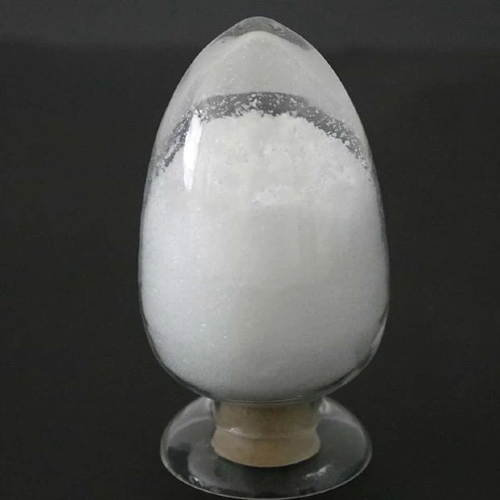
Barium Hydroxide Monohydrate is an inorganic compound with the chemical formula Ba(OH)₂·H₂O, indicating that it consists of one molecule of barium hydroxide combined with one molecule of water. It is a white, crystalline solid that is highly soluble in water, making it an ideal candidate for use in aqueous formulations. The compound is synthesized by combining barium oxide (BaO) with water. The resulting barium hydroxide reacts with water molecules, forming the monohydrate version of barium hydroxide.
Key Properties of Barium Hydroxide Monohydrate
Appearance: It is a white crystalline solid, which is highly hygroscopic, meaning it can readily absorb moisture from the environment.
Solubility: Barium Hydroxide Monohydrate is highly soluble in water, with its solubility in water being around 31 grams per 100 milliliters at 20°C. This property makes it useful in various industrial applications, particularly where an aqueous solution is necessary.
Reactivity: As a strong base, Barium Hydroxide Monohydrate can neutralize acids, making it effective in preventing the degradation of PVC when exposed to heat.
Molecular Weight: The molecular weight of Barium Hydroxide Monohydrate is 189.36 g/mol.
Why is Barium Hydroxide Monohydrate Used in PVC Stabilization?
Barium Hydroxide Monohydrate is primarily used in PVC formulations because of its strong base properties, which allow it to neutralize acids formed during the thermal processing of PVC. As PVC is heated, it can release hydrochloric acid (HCl), a corrosive compound that accelerates the breakdown of the polymer. By neutralizing the HCl, Barium Hydroxide Monohydrate prevents the polymer from decomposing, maintaining its structural integrity. Additionally, the compound helps to enhance the overall stability of the polymer, preventing color changes, loss of mechanical strength, and other forms of degradation.
2. Role of Heat Stabilizers in PVC
To fully appreciate the significance of Barium Hydroxide Monohydrate, it is crucial to understand the role of heat stabilizers in PVC formulations. PVC (Polyvinyl Chloride) is a thermoplastic material, meaning it becomes pliable when heated and solidifies when cooled. During the manufacturing process, PVC is subjected to high temperatures to facilitate molding and shaping. However, as PVC is exposed to heat, it can begin to decompose, releasing hydrochloric acid (HCl), which can lead to discoloration, embrittlement, and a reduction in mechanical strength.
How Heat Stabilizers Work
Heat stabilizers are chemical additives that prevent PVC degradation by neutralizing the acidic by-products, such as hydrochloric acid, formed during thermal processing. Heat stabilizers accomplish this in several ways:
Neutralizing HCl: Heat stabilizers neutralize the hydrochloric acid released during PVC processing, which would otherwise accelerate the degradation of the polymer.
Improving Thermal Stability: By stabilizing the polymer structure, heat stabilizers improve the material's resistance to heat and maintain its desired properties over an extended period of use.
Heat stabilizers are categorized into several groups, including:
Lead-based stabilizers: Historically, lead salts were widely used due to their excellent stabilizing properties. However, environmental concerns have led to a decline in their use.
Calcium-zinc stabilizers: These are considered to be safer alternatives and are increasingly used in non-toxic PVC applications.
Barium-based stabilizers, including Barium Hydroxide Monohydrate, are among the most effective stabilizers due to their strong acid-neutralizing properties.
3. Why Barium Hydroxide Monohydrate is Effective in PVC Heat Stabilizer Formulations
Mechanism of Action: How Barium Hydroxide Monohydrate Stabilizes PVC
The primary way in which Barium Hydroxide Monohydrate stabilizes PVC is through its ability to neutralize hydrochloric acid (HCl). As PVC is processed under heat, the polymer chains break down, releasing hydrochloric acid. The Barium Hydroxide Monohydrate reacts with the acid to form barium chloride (BaCl₂) and water, effectively neutralizing the acid. This prevents the PVC from undergoing further degradation and maintains the integrity of the polymer.
This neutralization reaction can be represented by the following equation:
Ba(OH)₂·H₂O + 2HCl → BaCl₂ + 2H₂O
By neutralizing the acids, Barium Hydroxide Monohydrate ensures that the PVC retains its mechanical properties, flexibility, and color stability.
Advantages Over Other Stabilizers
Barium Hydroxide Monohydrate offers several key advantages over other types of stabilizers:
Superior Acid Neutralization: Unlike some stabilizers that may offer only partial protection, Barium Hydroxide Monohydrate is highly effective at neutralizing the acids produced during the heating process.
Enhanced Processing Efficiency: Its ability to stabilize PVC efficiently reduces the likelihood of degradation during processing, ensuring smoother production and less material waste.
Cost-Effectiveness: Barium Hydroxide Monohydrate is generally more affordable compared to some other high-end stabilizers, such as organotin compounds or lead-based stabilizers, making it an attractive option for manufacturers seeking both performance and cost efficiency.
The following table illustrates a comparison between Barium Hydroxide Monohydrate and other commonly used stabilizers:
Stabilizer | Acid Neutralization | Thermal Stability | Processing Efficiency | Cost |
Barium Hydroxide Monohydrate | Excellent | High | High | Low to Medium |
Lead-based Stabilizers | Good | Very High | Medium | High |
Calcium-Zinc Stabilizers | Fair | Medium | Good | Medium to High |
Organotin Stabilizers | Good | Very High | High | High |
4. Applications of Barium Hydroxide Monohydrate in PVC
Barium Hydroxide Monohydrate is used in a variety of PVC products where thermal stability is of paramount importance. Some of the key applications include:
PVC Pipes and Fittings
For PVC pipes and fittings, thermal stability is critical to ensure long-lasting performance, especially in applications where pipes are exposed to high temperatures. The inclusion of Barium Hydroxide Monohydrate ensures that the pipes maintain their strength and integrity over time.
PVC Flooring
In the flooring industry, PVC is used for both residential and commercial flooring solutions. The addition of Barium Hydroxide Monohydrate prevents degradation due to heat, helping the flooring maintain its appearance, flexibility, and resistance to wear over time.
Wiring and Cable Coatings
PVC-coated wires and cables must withstand various environmental factors, including high temperatures. By incorporating Barium Hydroxide Monohydrate, these products can retain their integrity, preventing cracking and discoloration caused by prolonged heat exposure.
Window Profiles and Siding
PVC window profiles and siding are exposed to outdoor environmental conditions, including heat and UV radiation. The stabilizing effect of Barium Hydroxide Monohydrate ensures that these products remain durable and retain their color even under prolonged exposure to high temperatures.
Plastics for Automotive Applications
In the automotive industry, PVC components used for interiors, such as dashboards, trim, and upholstery, are exposed to heat from the engine and sunlight. The inclusion of Barium Hydroxide Monohydrate in the formulation helps ensure that these parts maintain their shape, flexibility, and appearance over time.
5. Conclusion
Barium Hydroxide Monohydrate plays a crucial role in enhancing the thermal stability of PVC, making it an essential component in PVC heat stabilizer formulations. By effectively neutralizing hydrochloric acid released during the heating of PVC, it prevents degradation and ensures the polymer retains its desired mechanical properties, color, and durability. Whether used in pipes, flooring, cables, or automotive components, Barium Hydroxide Monohydrate significantly improves the longevity and performance of PVC products. This makes it a preferred choice for manufacturers looking for cost-effective and efficient stabilizers.
At Qingdao Red Butterfly Precision Materials Co., Ltd., we specialize in providing high-quality Barium Hydroxide Monohydrate to meet the specific needs of various industries. Our products are designed to enhance the performance of PVC formulations, ensuring they withstand heat without compromising quality. If you're looking to improve the durability and efficiency of your PVC products, we invite you to explore our range of stabilizers. Feel free to contact us for more information and to discuss how we can support your manufacturing needs.
6. FAQ
What is Barium Hydroxide Monohydrate and why is it important for PVC stabilizers?
Barium Hydroxide Monohydrate is a chemical compound used as a heat stabilizer for PVC. It neutralizes hydrochloric acid produced during PVC processing, preventing the polymer from degrading.
How does Barium Hydroxide Monohydrate prevent PVC degradation during heating?
The compound reacts with the hydrochloric acid formed during the heating process, neutralizing it and preventing damage to the PVC polymer.
What makes Barium Hydroxide Monohydrate more effective than other stabilizers in PVC?
It provides superior acid neutralization, enhances processing efficiency, and is more cost-effective compared to other stabilizers, such as lead-based or organotin stabilizers.
Can Barium Hydroxide Monohydrate be used in all types of PVC products?
Yes, Barium Hydroxide Monohydrate is used in various PVC applications, including pipes, flooring, wiring, and automotive components, due to its excellent thermal stability.
Is Barium Hydroxide Monohydrate safe to use in industrial PVC manufacturing?
Yes, Barium Hydroxide Monohydrate is safe when handled according to proper safety protocols. It is a well-established and widely used chemical in industrial applications.

 English
  العربية
  Français
  Русский
  Español
  Português
  Deutsch
  italiano
  日本語
日本語  한국어
한국어  Nederlands
  Tiếng Việt
  ไทย
ไทย  Polski
  Türkçe
  አማርኛ
አማርኛ  ພາສາລາວ
  ភាសាខ្មែរ
  Bahasa Melayu
  ဗမာစာ
ဗမာစာ  தமிழ்
தமிழ்  Filipino
  Bahasa Indonesia
  magyar
  Română
  Čeština
  Монгол
  қазақ
қазақ  Српски
  हिन्दी
  فارسی
فارسی  Kiswahili
  Slovenčina
  Slovenščina
  Norsk
Norsk  Svenska
  українська
  Ελληνικά
  Suomi
Suomi  Հայերեն
  עברית
עברית  Latine
  Dansk
Dansk  اردو
اردو  Shqip
Shqip  বাংলা
বাংলা  Hrvatski
  Afrikaans
  Gaeilge
  Eesti keel
  Māori
Māori 


