Introduction
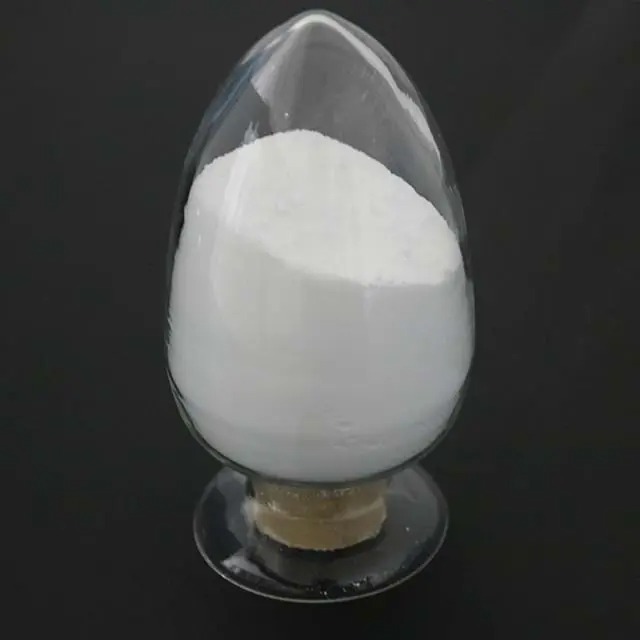
Barium carbonate is a significant industrial chemical compound with a wide range of applications across multiple sectors. Known for its unique chemical properties and versatility, this substance plays a key role in ceramics, glassmaking, construction, and chemical manufacturing. In addition, it serves as a crucial raw material in the production of high-purity barium titanate (BaTiO₃), an essential component in modern electronic materials. Understanding the specific uses of barium carbonate not only helps industries optimize production processes but also enables businesses to make informed choices about materials that affect product quality, safety, and efficiency. This article provides a comprehensive look into the uses of barium carbonate, with detailed insights into its role in different fields and why it remains a compound of high demand globally.
The Role of Barium Carbonate in the Ceramics Industry
The ceramics industry is one of the largest consumers of barium carbonate. It is primarily used as a fluxing agent, helping to lower the melting temperature of ceramic mixtures, which improves production efficiency. Additionally, barium carbonate enhances the brightness, density, and durability of ceramic tiles, sanitary ware, and specialty pottery. In ceramic glazes, it prevents scumming and eliminates soluble salts that could compromise surface appearance. The compound also improves color response when used with other oxides, allowing manufacturers to achieve consistent, vibrant finishes. Without barium carbonate, many ceramic products would be prone to defects, dullness, or brittleness, making it a cornerstone ingredient in modern ceramic production.
Barium Carbonate in Glassmaking Applications
Glass manufacturers use barium carbonate to improve both the quality and functionality of glass products. It enhances the refractive index, creating glass that appears brighter and clearer. In optical glass, this property is especially valuable for producing lenses and precision instruments. The compound also increases the chemical resistance of glass, making it more durable against acids and environmental conditions. Furthermore, barium carbonate improves thermal stability, reducing the risk of breakage from temperature fluctuations. In specialty glass, such as those used for lighting and television screens, barium carbonate contributes to high transmission of visible light while filtering out harmful radiation, thereby enhancing both safety and performance.
| Glass Type | Effect of Barium Carbonate |
| Optical Glass | Improves brightness and clarity |
| Lighting Glass | Enhances light transmission and safety |
| Decorative Glass | Provides shine, durability, and color response |
Contribution of Barium Carbonate to Brick and Tile Production
In brick and tile manufacturing, soluble salts often migrate to the surface during drying and create unsightly white stains known as efflorescence. Barium carbonate is widely used to combat this issue by reacting with these soluble salts and converting them into insoluble compounds that remain within the structure of the brick or tile. This process not only enhances the aesthetic appeal of building materials but also improves their overall strength and durability. By preventing efflorescence, manufacturers can ensure that bricks and tiles maintain a clean, professional finish, which is particularly important in construction projects where appearance and longevity are equally valued.
Barium Carbonate in High-Purity Barium Titanate Production
One of the most critical and high-value applications of barium carbonate lies in its role as a raw material for producing high-purity barium titanate (BaTiO₃). Barium titanate is a key ceramic material used in the manufacture of multilayer ceramic capacitors (MLCCs), piezoelectric sensors, actuators, and advanced dielectric materials. To achieve the high electrical and mechanical performance required for these components, the barium carbonate used must possess exceptional purity and controlled particle size.
The synthesis of barium titanate typically involves reacting barium carbonate with titanium dioxide (TiO₂) under carefully controlled conditions. The purity and reactivity of barium carbonate directly affect the phase composition, particle morphology, and dielectric properties of the resulting BaTiO₃. In the electronics industry, where reliability and miniaturization are paramount, the use of high-grade barium carbonate ensures consistent performance in capacitors, embedded components, and energy storage devices.
| Application Area | Role of Barium Carbonate in BaTiO₃ Production |
| Multilayer Ceramic Capacitors (MLCC) | Provides high-purity barium source for superior dielectric performance |
| Piezoelectric Devices | Ensures structural uniformity for precise mechanical response |
| Energy Storage Systems | Contributes to stability and charge retention in advanced ceramics |
This specific use underscores barium carbonate’s strategic importance in supporting the global electronics supply chain and the growth of high-performance materials.
Barium Carbonate as a Precursor in Chemical Manufacturing
Beyond direct applications, barium carbonate serves as a precursor in the production of other barium-based compounds. Through chemical reactions, it is converted into barium chloride, barium nitrate, and barium hydroxide, all of which have vital industrial uses. For instance, barium chloride is used in water treatment, barium nitrate in pyrotechnics, and barium hydroxide in lubricants and heat stabilizers for polymers. This makes barium carbonate an essential raw material within the chemical supply chain, supporting industries ranging from agriculture to energy.
| Derived Compound | Key Application |
| Barium Chloride | Water purification and brine solutions |
| Barium Nitrate | Fireworks and explosives |
| Barium Hydroxide | Lubricants and polymer stabilizers |
Environmental and Water Treatment Uses
Barium carbonate plays an important role in environmental applications, particularly in water treatment. It reacts with sulfates present in water, reducing their solubility and precipitating them as barium sulfate. This process effectively reduces the risk of scaling in water systems, which can cause inefficiencies and damage to industrial machinery. Moreover, in wastewater management, barium carbonate helps remove impurities and maintain compliance with environmental standards. While its use in water treatment is carefully regulated due to toxicity concerns, its ability to stabilize and remove contaminants ensures it remains a valuable material for industrial-scale water management.
Application in Specialty Industries: Electronics and Energy
In advanced sectors such as electronics and energy, barium carbonate finds specialized applications. It is used in the manufacturing of ferrites, which are essential components in inductors, transformers, and magnetic cores. Ferrites made with barium carbonate offer excellent magnetic properties, making them indispensable in communication equipment and consumer electronics. Additionally, barium carbonate contributes to the development of fuel cells and advanced battery systems, where it plays a role in improving conductivity and stability. These applications highlight how barium carbonate not only supports traditional industries but also drives innovation in emerging technologies.
Health and Safety Considerations in Using Barium Carbonate
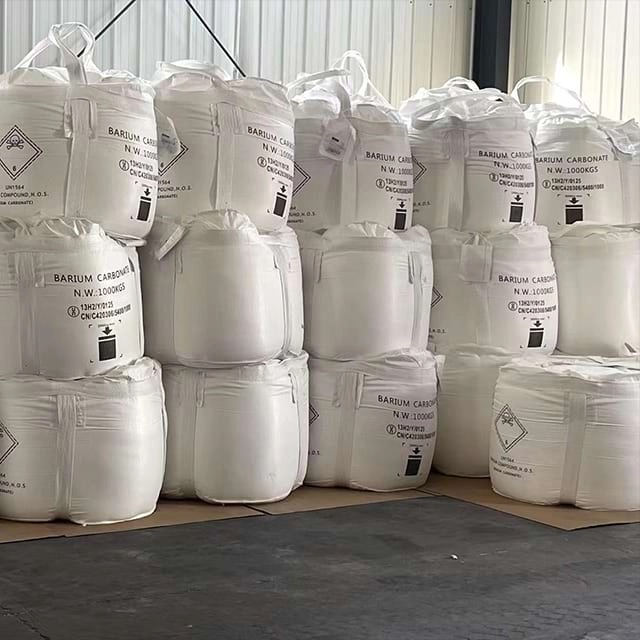
While barium carbonate is highly beneficial in industry, it is important to acknowledge the safety precautions associated with its use. The compound is toxic when ingested and requires careful handling in both manufacturing and application environments. Workers exposed to barium carbonate must follow stringent safety protocols, including the use of protective gear and proper ventilation systems. Additionally, industries must adhere to disposal regulations to prevent environmental contamination. Awareness of its hazards ensures that barium carbonate is used responsibly, balancing industrial benefits with public health and environmental protection.
Conclusion
Barium carbonate is far more than just a chemical compound; it is a versatile material that supports multiple industries, from ceramics and glassmaking to water treatment and electronics. Among its many applications, its role as a high-purity precursor in barium titanate production stands out as one of the most strategically important for modern technology. Its ability to enhance product quality, prevent structural defects, and act as a foundation for advanced materials underscores its critical importance in manufacturing. At the same time, its safe and regulated use ensures that industries can harness its advantages without compromising health or the environment. As demand continues to grow across both traditional and innovative applications, barium carbonate will remain a cornerstone material in global industrial and technological development.
FAQ
1. What are the main industries that use barium carbonate?
The primary industries include ceramics, glassmaking, brick and tile manufacturing, barium titanate production, chemical processing, water treatment, electronics, and energy sectors.
2. Why is barium carbonate used in bricks and tiles?
It prevents efflorescence by converting soluble salts into insoluble compounds, thereby improving durability and maintaining a clean surface appearance.
3. What is the role of barium carbonate in producing barium titanate?
It acts as the main barium source in the synthesis process, where its purity and particle control directly influence the dielectric and mechanical performance of the resulting material.
4. Is barium carbonate safe to handle?
Barium carbonate is toxic if ingested and requires strict safety measures, including protective equipment and regulated disposal methods.
5. How does barium carbonate improve glass quality?
It enhances brightness, chemical resistance, and thermal stability, making glas

 English
  العربية
  Français
  Русский
  Español
  Português
  Deutsch
  italiano
  日本語
日本語  한국어
한국어  Nederlands
  Tiếng Việt
  ไทย
ไทย  Polski
  Türkçe
  አማርኛ
አማርኛ  ພາສາລາວ
  ភាសាខ្មែរ
  Bahasa Melayu
  ဗမာစာ
ဗမာစာ  தமிழ்
தமிழ்  Filipino
  Bahasa Indonesia
  magyar
  Română
  Čeština
  Монгол
  қазақ
қазақ  Српски
  हिन्दी
  فارسی
فارسی  Kiswahili
  Slovenčina
  Slovenščina
  Norsk
Norsk  Svenska
  українська
  Ελληνικά
  Suomi
Suomi  Հայերեն
  עברית
עברית  Latine
  Dansk
Dansk  اردو
اردو  Shqip
Shqip  বাংলা
বাংলা  Hrvatski
  Afrikaans
  Gaeilge
  Eesti keel
  Māori
Māori 


