
Introduction
Barium Hydroxide is a strong inorganic compound with the chemical formula Ba(OH)₂, widely recognized for its versatility in scientific research, industrial manufacturing, and chemical processing. This white, crystalline substance is highly alkaline and reacts readily with carbon dioxide, acids, and various salts, making it valuable across multiple domains. Its applications extend far beyond the laboratory; it plays crucial roles in producing specialty chemicals, refining products, neutralizing acids, and even preparing materials for advanced research. Understanding what Barium Hydroxide is used for provides insights into how industries leverage its unique chemical properties to improve efficiency, safety, and product quality.
Barium Hydroxide in Laboratory Chemistry
Laboratories frequently rely on Barium Hydroxide as both a reagent and a titrant due to its predictable reactivity and solubility in water. Unlike sodium hydroxide, which absorbs carbon dioxide from the air too quickly, Barium Hydroxide offers greater stability during volumetric analysis, making it ideal for determining the concentration of weak acids.
In organic synthesis, it is used to hydrolyze esters and nitriles, offering a controlled environment for creating alcohols and carboxylic acids. Its selective reaction profile allows chemists to design experiments with precision while minimizing unwanted side reactions. Additionally, Barium Hydroxide serves as a preferred base in analytical chemistry for detecting sulfates and phosphates, since it forms insoluble precipitates that can be quantified or isolated for further study.
Industrial Manufacturing Applications of Barium Hydroxide
In large-scale industry, Barium Hydroxide finds significant use in producing lubricants, coatings, and specialized glass. Its role in manufacturing is tied to its ability to neutralize acids, catalyze reactions, and modify physical properties of end products.
One of the most important applications is in the production of barium-based lubricating greases, where Barium Hydroxide is combined with fatty acids to create thickening agents that withstand high pressures and temperatures. These greases are essential for heavy machinery, aviation engines, and industrial equipment requiring extreme durability.
It is also used in the glass industry, where adding Barium Hydroxide improves glass clarity, enhances optical properties, and increases resistance to corrosion. Manufacturers in ceramics and enamel coatings benefit from its ability to provide brightness and durability.
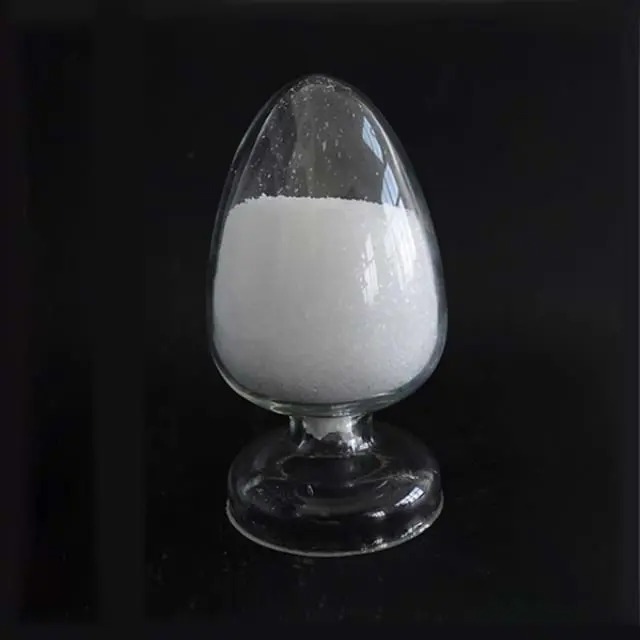
Role of Barium Hydroxide in Water Treatment
Water treatment plants utilize Barium Hydroxide as a neutralizing agent for acidic wastewater streams. Due to its strong alkalinity, it can effectively raise the pH of water, enabling safe discharge and reducing environmental harm.
Another key application lies in removing unwanted sulfates and heavy metals from industrial effluents. When Barium Hydroxide is introduced into contaminated water, it reacts with dissolved sulfates to form insoluble barium sulfate, which can then be filtered out. This makes it a reliable solution for industries such as mining, electroplating, and paper manufacturing, where sulfate discharge is a significant concern.
Barium Hydroxide in Polymer and Plastic Production
Polymer industries often employ Barium Hydroxide as a catalyst in the production of thermoplastics and certain specialty polymers. It enhances polymerization efficiency and improves the stability of end products by minimizing unwanted side reactions.
In PVC manufacturing, Barium Hydroxide acts as a stabilizer that reduces the degradation of polyvinyl chloride under heat. This property is crucial for ensuring that plastic pipes, fittings, and films maintain their mechanical strength and durability over time.
The table below highlights its role compared with other stabilizers:
| Stabilizer Type | Heat Resistance | Environmental Stability | Common Use Case |
| Barium Hydroxide | High | Good | PVC, thermoplastics, specialty films |
| Calcium-based Stabilizer | Moderate | Excellent | Food-contact plastics |
| Lead-based Stabilizer | Very High | Poor (toxic concerns) | Outdated, largely replaced |
Barium Hydroxide in Agriculture and Soil Treatment
In agriculture, Barium Hydroxide plays a specialized role in soil conditioning and pest management. Its alkalinity helps neutralize overly acidic soils, improving nutrient availability for crops. Farmers may use it in controlled applications to balance soil pH, particularly in regions where acidic soil conditions hinder crop growth.
It is also occasionally employed in the preparation of insecticidal formulations. By reacting with other compounds, Barium Hydroxide helps produce chemicals that target pests effectively while minimizing soil damage. However, its use in agriculture is regulated due to the potential risks associated with excessive barium exposure, making safety protocols essential.
Application in Food and Sugar Refining
Although less common today, Barium Hydroxide has historical significance in the refining of sugar. In traditional processing, it was added to sugar solutions to precipitate impurities such as sulfate and carbonate ions. This step clarified the solution, resulting in higher-quality sugar crystals.
Modern industries have shifted toward safer alternatives, but Barium Hydroxide remains a point of reference in food technology discussions due to its effectiveness in purification processes. In controlled laboratory environments, it is still used to study sugar chemistry and reaction kinetics.
Barium Hydroxide in the Electronics and Glass Industry
Electronics manufacturers value Barium Hydroxide for its role in producing specialty glasses and ceramics. When added to glass formulations, it improves resistance to thermal shock and enhances optical transmission, making it suitable for advanced lenses and display technologies.
In the electronics sector, it contributes to the production of superconductors and advanced ceramics, where its ability to influence crystal structure and electrical properties is leveraged. This makes Barium Hydroxide indispensable in research laboratories developing new energy storage and semiconductor materials.
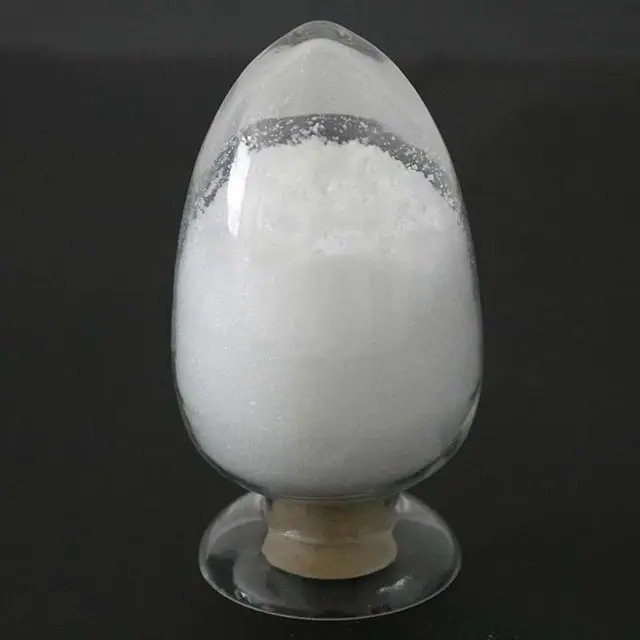
Safety Considerations and Handling of Barium Hydroxide
While versatile and useful, Barium Hydroxide is also caustic and potentially hazardous if not handled properly. Direct contact with skin can cause severe irritation, and inhalation of its dust poses respiratory risks. Moreover, soluble barium compounds are toxic if ingested.
For safe handling, industries and laboratories follow strict protocols including:
Using protective equipment such as gloves, goggles, and respirators.
Storing Barium Hydroxide in airtight containers to prevent reaction with atmospheric carbon dioxide.
Employing neutralization procedures in case of spills.
The table below summarizes common risks and corresponding safety measures:
| Risk Type | Potential Hazard | Recommended Safety Measure |
| Skin Contact | Burns, irritation | Protective gloves, lab coats |
| Inhalation | Respiratory distress | Respirators, dust control systems |
| Ingestion | Toxicity | Strict lab protocols, labeling |
| Environmental Release | Water contamination | Controlled disposal, neutralizers |
Conclusion
Barium Hydroxide is a versatile compound with applications spanning laboratories, manufacturing, agriculture, water treatment, and electronics. Its strong alkalinity and predictable reactivity make it a valuable tool for neutralization, catalysis, and material enhancement. While its use must be balanced with strict safety measures due to potential toxicity, industries continue to rely on it for high-performance outcomes. By understanding what Barium Hydroxide is used for, professionals across fields can make informed decisions about its safe and effective application.
FAQ
1. Is Barium Hydroxide safe to handle?
It is safe under controlled conditions with protective equipment, but direct contact or ingestion is dangerous due to its caustic and toxic properties.
2. Can Barium Hydroxide be used in drinking water treatment?
It is primarily used for industrial wastewater treatment rather than potable water, due to safety concerns regarding soluble barium compounds.
3. Why is Barium Hydroxide preferred in some laboratory titrations?
Unlike sodium hydroxide, Barium Hydroxide absorbs less carbon dioxide from the air, offering more consistent results in acid-base titrations.
4. What industries benefit most from Barium Hydroxide?
Key industries include lubricants, glass manufacturing, polymer production, wastewater treatment, and advanced electronics.
5. Is Barium Hydroxide still used in sugar refining today?
Its use in modern food processing is limited due to safety regulations, though it holds historical significance in traditional sugar purification.

 English
  العربية
  Français
  Русский
  Español
  Português
  Deutsch
  italiano
  日本語
日本語  한국어
한국어  Nederlands
  Tiếng Việt
  ไทย
ไทย  Polski
  Türkçe
  አማርኛ
አማርኛ  ພາສາລາວ
  ភាសាខ្មែរ
  Bahasa Melayu
  ဗမာစာ
ဗမာစာ  தமிழ்
தமிழ்  Filipino
  Bahasa Indonesia
  magyar
  Română
  Čeština
  Монгол
  қазақ
қазақ  Српски
  हिन्दी
  فارسی
فارسی  Kiswahili
  Slovenčina
  Slovenščina
  Norsk
Norsk  Svenska
  українська
  Ελληνικά
  Suomi
Suomi  Հայերեն
  עברית
עברית  Latine
  Dansk
Dansk  اردو
اردو  Shqip
Shqip  বাংলা
বাংলা  Hrvatski
  Afrikaans
  Gaeilge
  Eesti keel
  Māori
Māori 


