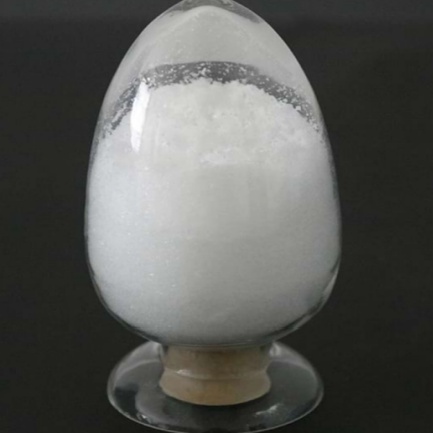
Barium hydroxide, a chemical compound with the formula Ba(OH)₂, plays a pivotal role in various industrial and chemical applications. Known for its versatility, it is used in fields ranging from water treatment to the production of lubricants. In this article, we will explore the multiple uses of barium hydroxide, its significance in different industries, and why it is so crucial for numerous processes.
Barium hydroxide is commonly produced by reacting barium carbonate with water, creating a solution that can be further concentrated to form a solid compound. Its distinctive alkaline properties make it effective in several critical applications, which we will discuss in detail.
At Qingdao Red Butterfly Precision Materials Co., Ltd., we specialize in high-quality barium hydroxide products tailored to meet your industrial needs. For more information, feel free to contact us for further assistance.
Key Uses of Barium Hydroxide
Barium hydroxide (Ba(OH)₂), also known as caustic barium, is a highly versatile and valuable compound that finds extensive use in a variety of industries. Below are some of the key uses of barium hydroxide:
1. Water Treatment
Barium hydroxide plays a significant role in water treatment, especially in neutralizing acidic water and softening hard water. It helps remove sulfate ions from water, making it suitable for industrial applications.
How It Works:
Barium hydroxide reacts with sulfate in water to form barium sulfate (BaSO₄), which precipitates out, purifying the water.
This process is particularly useful in industries that require high-purity water, such as pharmaceutical manufacturing and food processing.
Benefits in Water Treatment:
2. Chemical Manufacturing
In the chemical industry, barium hydroxide is essential for producing various barium salts and other compounds, such as barium sulfate, used in manufacturing plastics, glass, and ceramics.
Applications in Chemical Manufacturing:
Barium Titanate: Used in the production of electronic devices.
Lubricants and Plastics: Plays a role in the production of lubricants, as well as plasticizers used in the plastic industry.
Barium Sulfate: Widely used as a filler in paints, rubber, and plastics.
3. Food Industry
Barium hydroxide is used as a food additive in limited and controlled quantities. Its main applications are in the refining of sugar and in neutralizing acids during food production.
Food Industry Applications:
Sugar Refining: Used to neutralize acidity and remove impurities from sugar.
Decolorizing Agents: Helps in the decolorization of juices and oils, improving their clarity and color.
4. Oil and Gas Industry
Barium hydroxide plays a crucial role in the oil and gas industry, particularly in drilling operations. It is used to treat drilling fluid, stabilizing the fluid and preventing corrosion of equipment.
Role in the Oil and Gas Industry:
pH Control: Used to control the pH of drilling fluids, ensuring optimal drilling conditions.
Corrosion Prevention: Helps prevent corrosion of equipment, improving the longevity and efficiency of drilling operations.
5. Pharmaceutical Industry
In the pharmaceutical industry, barium hydroxide is used as a reagent in chemical syntheses. It is also utilized in the production of certain medicinal compounds, such as those used in imaging techniques.
Uses in Pharmaceuticals:
Synthesis of Pharmaceutical Compounds: Acts as a base in the synthesis of various pharmaceutical chemicals.
Medical Imaging: Used in the production of compounds with high purity for imaging applications, such as contrast agents.
6. Synthesis of Other Barium Compounds
Barium hydroxide is used to synthesize other important barium compounds, such as barium carbonate (BaCO₃), barium chloride (BaCl₂), and barium sulfate (BaSO₄). These compounds are critical in various industrial processes.
Role in Barium Compound Production:
Barium Carbonate: Used in ceramics and glass manufacturing.
Barium Sulfate: Utilized in industries requiring high-density substances, such as the production of drilling fluids and paints.
7. Barium Hydroxide in Agriculture
Barium hydroxide also has applications in agriculture. It is used to adjust the pH of acidic soils, improving crop yield and enhancing soil fertility.
Agricultural Benefits:
Neutralizes Acidic Soils: Helps in raising the pH of acidic soils, making them more suitable for plant growth.
Enhances Fertility: Increases nutrient availability for plants, supporting healthier crop growth.
Benefits of Using Barium Hydroxide
Barium hydroxide is widely used across industries for its cost-effectiveness, versatility, and ability to improve product quality. Here are the key benefits:
Cost-Effective
One of the most significant advantages of barium hydroxide is its cost-effectiveness. Its affordability makes it a practical choice for businesses, especially in industries like water treatment and chemical manufacturing. The low cost of barium hydroxide allows companies to achieve high efficiency while maintaining a manageable budget.
How Barium Hydroxide Saves Costs:
Water Treatment: Barium hydroxide is widely used for water purification, particularly in neutralizing acidic water and removing harmful ions like sulfate. This makes it an essential tool for industries that require high-purity water, such as pharmaceuticals, food processing, and chemical production.
Chemical Manufacturing: In chemical manufacturing, barium hydroxide is used in the production of barium compounds like barium sulfate and barium chloride, which are essential for various industrial processes. Its low cost ensures that these industries can maintain affordability without compromising on the quality of their products.
Versatile and Multi-Use
Barium hydroxide's versatility is another key benefit. It is used in multiple industries for a wide range of applications, including water treatment, agricultural practices, chemical manufacturing, and more.
Applications of Barium Hydroxide:
Water Treatment: Barium hydroxide plays a crucial role in purifying water by neutralizing acidity and removing sulfate ions, making water suitable for industrial use.
Agriculture: Barium hydroxide is used to neutralize acidic soils, improving soil pH and enhancing plant growth.
Chemical Production: It is used to produce various barium compounds, which are essential in the manufacture of products like lubricants, plastics, and ceramics.
This versatility makes barium hydroxide indispensable to industries seeking multifunctional and cost-effective solutions.
Improved Product Quality
Barium hydroxide helps improve the quality of products, particularly in industries where high purity and consistency are essential. It is widely used in the pharmaceutical and food processing sectors to ensure that the products meet high-quality standards.
How Barium Hydroxide Improves Product Quality:
Pharmaceuticals: In the pharmaceutical industry, barium hydroxide is used as a reagent in chemical syntheses, ensuring the production of high-purity compounds that are essential for medical applications, including contrast agents for imaging.
Food Processing: Barium hydroxide helps neutralize acidity in sugar production and is used in decolorizing juices and oils, ensuring better quality products in the food industry.
Environmentally Friendly
Barium hydroxide is an environmentally friendly option when used properly. Its applications, particularly in water treatment, help reduce environmental pollutants, promoting sustainability across industries. Its ability to neutralize acids and remove harmful ions contributes to cleaner water, which is vital for both industrial use and ecosystem health.
Environmental Benefits of Barium Hydroxide:
Water Purification: By neutralizing acidic water and removing contaminants, barium hydroxide ensures that the water used in industries like food processing, pharmaceuticals, and chemicals meets environmental standards.
Sustainable Agriculture: Barium hydroxide's role in adjusting soil pH and enhancing plant growth also contributes to sustainable agricultural practices by improving soil health and increasing crop yields.
Long-Term Benefits
Barium hydroxide is a durable and stable compound that can provide long-lasting solutions, particularly in industries requiring high-purity products or stable operational conditions.
How to Apply Barium Hydroxide
When using barium hydroxide for any of its applications, it is essential to follow the recommended guidelines to ensure effectiveness and safety. Here’s how to apply it in different industries:
Water Treatment:
Chemical Manufacturing:
Food Production:
Conclusion: The Future of Barium Hydroxide in Various Industries
Barium hydroxide continues to serve as a crucial compound across various industries. Its diverse applications make it indispensable in sectors ranging from water treatment to pharmaceuticals and agriculture. With its cost-effective nature and ability to improve productivity, barium hydroxide is poised to remain essential in industrial operations worldwide.
At Qingdao Red Butterfly Precision Materials Co., Ltd., we offer high-quality barium hydroxide products for industrial and commercial applications. Our products help improve efficiency, sustainability, and the overall quality of your operations. For more information on how barium hydroxide can benefit your business, feel free to contact us.
FAQs
Q1: What is barium hydroxide used for in water treatment?
A1: Barium hydroxide is used to remove sulfate ions from water, improving its quality and making it suitable for industrial use.
Q2: How does barium hydroxide affect soil?
A2: It is used to neutralize acidic soils, enhancing plant growth and improving agricultural productivity.
Q3: Is barium hydroxide safe to use in food processing?
A3: Yes, when used in controlled amounts and following proper guidelines, it is safe for food applications, particularly in sugar refining.
Q4: How do I handle barium hydroxide safely?
A4: Always wear protective gloves, goggles, and use barium hydroxide in a well-ventilated area to avoid contact and inhalation of fumes.

 English
  العربية
  Français
  Русский
  Español
  Português
  Deutsch
  italiano
  日本語
日本語  한국어
한국어  Nederlands
  Tiếng Việt
  ไทย
ไทย  Polski
  Türkçe
  አማርኛ
አማርኛ  ພາສາລາວ
  ភាសាខ្មែរ
  Bahasa Melayu
  ဗမာစာ
ဗမာစာ  தமிழ்
தமிழ்  Filipino
  Bahasa Indonesia
  magyar
  Română
  Čeština
  Монгол
  қазақ
қазақ  Српски
  हिन्दी
  فارسی
فارسی  Kiswahili
  Slovenčina
  Slovenščina
  Norsk
Norsk  Svenska
  українська
  Ελληνικά
  Suomi
Suomi  Հայերեն
  עברית
עברית  Latine
  Dansk
Dansk  اردو
اردو  Shqip
Shqip  বাংলা
বাংলা  Hrvatski
  Afrikaans
  Gaeilge
  Eesti keel
  Māori
Māori 


