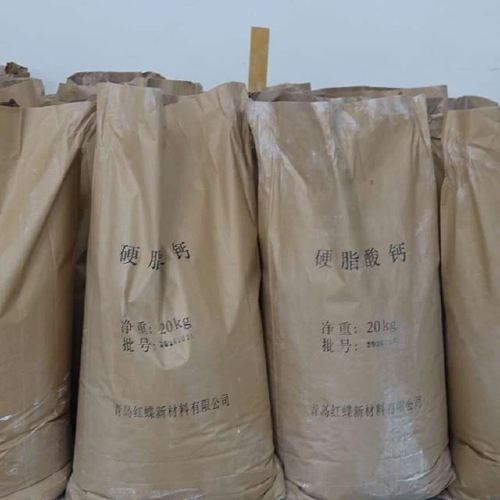
Understanding Calcium Stearate
Calcium Stearate is a versatile chemical additive widely recognized for its lubricating, stabilizing, and anti-caking properties. Chemically, it is a metallic salt of stearic acid, with the formula C36H70CaO4, and exhibits hydrophobic behavior and high thermal stability. These characteristics have made Calcium Stearate an indispensable ingredient across multiple industries, including plastics, rubber, construction, food, cosmetics, and pharmaceuticals.
Its value lies in its ability to enhance process efficiency, improve product quality, and maintain long-term stability, making it an essential material for modern manufacturing processes. Understanding the specific applications, benefits, and safe handling practices of Calcium Stearate is crucial for manufacturers and consumers alike, ensuring the optimal performance and safety of products that incorporate this additive.
Chemical and Physical Properties Relevant to Its Uses
Composition and Structure
Calcium Stearate is classified as a metallic stearate, composed of calcium cations and long-chain fatty acids derived from stearic acid. This combination imparts several key properties:
Hydrophobic nature: Repels water, preventing clumping in powders and improving flowability.
Thermal stability: Maintains chemical and structural integrity under high temperatures, typically up to 165°C, which is critical for plastic extrusion, rubber processing, and powder handling.
Lubricating effect: Reduces friction during molding and extrusion, protecting equipment and enhancing efficiency.
Chemical inertness: Resistant to acids, bases, and solvents, ensuring it does not interfere with the intended reactions or formulations in industrial or consumer applications.
This unique combination of properties enables Calcium Stearate to be a multi-functional additive, supporting both industrial efficiency and product quality.
Solubility and Compatibility
Calcium Stearate exhibits specific solubility and compatibility characteristics that contribute to its widespread application:
Water Solubility: Insoluble in water, preventing unwanted reactions or degradation in aqueous environments.
Solvent Solubility: Soluble in hot ethanol, acetone, and select non-polar organic solvents, allowing controlled dissolution or purification when needed.
Material Compatibility: Works effectively with plastics, rubber, powders, cosmetics, and pharmaceutical excipients, ensuring consistent performance and reliability.
Stability: Resistant to oxidation, hydrolysis, and acid or alkali attack, supporting long-term storage and application stability.
Table 1: Key Chemical and Physical Properties of Calcium Stearate
Property | Value/Description |
Chemical Formula | C36H70CaO4 |
Molecular Weight | 622.94 g/mol |
Appearance | White, waxy powder |
pH (1% dispersion) | 9–10 |
Water Solubility | Insoluble |
Thermal Stability | Up to 165°C |
Solvent Solubility | Hot ethanol, acetone |
Structure | Long-chain fatty acids + Ca⊃2;⁺ |
These properties explain why Calcium Stearate is widely trusted in manufacturing processes, providing a stable, safe, and high-performing additive.
Industrial Applications
Calcium Stearate plays a pivotal role in industrial manufacturing, contributing to process optimization, improved product quality, and equipment protection.
Plastics and Polymers
In plastics and polymer processing, Calcium Stearate is valued as a lubricant, stabilizer, and mold release agent:
Lubrication: Reduces friction during extrusion, injection molding, and compounding, minimizing wear and tear on machinery.
Surface Finish: Enhances smoothness and consistency of the final product, preventing defects like surface blemishes or sticking.
Processability: Improves flow characteristics, enabling uniform melt distribution and efficient shaping of plastic materials.
Compatibility: Suitable for polymers such as PVC, polyethylene, polypropylene, and other thermoplastics, offering versatility in multiple plastic manufacturing processes.
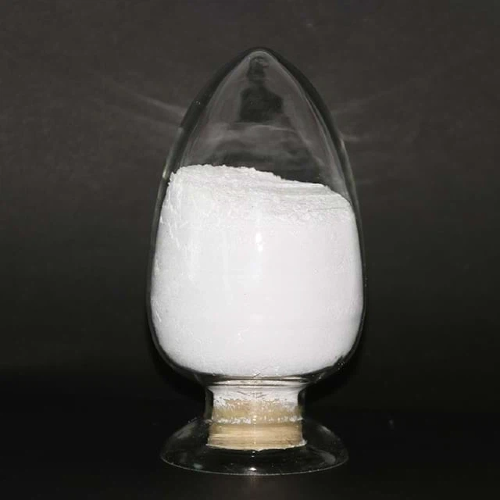
Rubber and Elastomers
Calcium Stearate is extensively used in the rubber industry to improve processing and product performance:
Friction Reduction: Facilitates mixing, extrusion, and molding, reducing energy consumption and wear on equipment.
Elasticity and Durability: Enhances tensile strength, elasticity, and long-term resilience of rubber products.
Surface Quality: Prevents sticking and surface defects, contributing to a uniform appearance in finished rubber components.
These properties make Calcium Stearate essential for tires, gaskets, seals, and other rubber products where precision, durability, and smooth surface finish are required.
Construction Materials
In construction, Calcium Stearate functions primarily as an anti-caking and moisture-resistant additive:
Powdered Materials: Prevents clumping in cement, plaster, gypsum, and other construction powders.
Flowability: Enhances handling, mixing, and application efficiency, reducing blockages and inconsistencies.
Moisture Resistance: Maintains material integrity and performance under high humidity conditions, prolonging storage life.
Compatibility: Its inert nature ensures it does not interfere with chemical reactions in cement or gypsum-based materials.
This ensures consistent quality, smooth application, and improved durability of construction materials.
Food Industry Uses
Calcium Stearate is widely approved for food use and recognized as safe by regulatory authorities, including the FDA and EFSA. Key applications include:
Anti-Caking Agent: Prevents powdered foods such as salt, powdered milk, and spices from clumping, ensuring easy handling and consistent flow.
Lubricant in Tablets: Used in the production of dietary supplements or pharmaceuticals, improving powder flow and preventing sticking during compression.
Shelf-Life Enhancement: Reduces moisture absorption, minimizing chemical degradation and prolonging product stability over time.
Regulatory Compliance: Food-grade Calcium Stearate is tested and certified, ensuring safety for human consumption under recommended use levels.
Cosmetic and Personal Care Applications
Calcium Stearate is a versatile additive in the cosmetics industry:
Powders: Enhances smoothness, dispersibility, and uniformity in face powders, blushes, and compact powders.
Deodorants: Prevents clumping of active ingredients, ensuring even application and consistent product performance.
Creams and Lotions: Improves texture, stability, and feel, enhancing user experience and maintaining product integrity.
Shelf Stability: Reduces moisture-related changes, preventing degradation over time and maintaining product quality during storage.
Its inert nature ensures safe topical application while improving product performance and consumer satisfaction.
Pharmaceutical Applications
In pharmaceuticals, Calcium Stearate is primarily used as a lubricant and excipient:
Tablet and Capsule Production: Reduces friction during compression, preventing sticking to equipment and ensuring uniform tablets.
Flow Improvement: Enhances powder flowability, critical for large-scale production efficiency.
Compatibility: Chemically inert, making it safe alongside other excipients without compromising drug stability or efficacy.
Regulatory Standards: Pharmaceutical-grade Calcium Stearate meets stringent safety and purity requirements, ensuring suitability for human consumption.
These properties make it an indispensable additive in modern pharmaceutical manufacturing.
Guidelines for Choosing the Right Grade for Use
Choosing the correct grade ensures optimal performance, safety, and regulatory compliance:
Grade | Purity (%) | Typical Applications | Safety Considerations |
Industrial Grade | 90–95 | Plastics, rubber, construction | Handle with PPE; not for ingestion |
Food Grade | 98+ | Powdered foods, tablets | Safe for consumption within limits |
Cosmetic Grade | 99+ | Powders, deodorants, creams | Tested for topical safety |
Pharmaceutical Grade | 99+ | Tablets, capsules | Meets regulatory standards; high purity |
Selecting the appropriate grade ensures efficiency, safety, and quality, while minimizing risks from contamination or improper use.
Guidelines for Safe Handling and Use
Proper handling of Calcium Stearate is crucial to ensure worker safety, product integrity, and environmental protection across all industries.
Personal Protective Equipment (PPE): It is recommended that workers wear gloves, masks, and protective eyewear when handling Calcium Stearate powder. This prevents skin or eye irritation and minimizes inhalation of fine particles, which could otherwise pose health risks during prolonged exposure.
Dust Control: To maintain a safe working environment, implement ventilation systems, dust collectors, and localized exhausts. Regular cleaning of work areas helps reduce airborne particles, ensuring both safety and efficient operations.
Storage: Calcium Stearate should be stored in cool, dry, and well-ventilated areas. Use airtight, moisture-resistant containers to preserve product stability and prevent contamination. Avoid exposure to extreme temperatures or high humidity, which can affect quality and usability.
Environmental Safety: Proper disposal of excess or waste material is essential. Follow industrial waste management protocols and avoid releasing large quantities into soil or water systems.
Adhering to these guidelines ensures safe, effective, and environmentally responsible use of Calcium Stearate in all applications.
Conclusion
Calcium Stearate is an exceptionally versatile additive widely utilized across industrial, food, cosmetic, and pharmaceutical applications. Its combination of low toxicity, chemical inertness, thermal stability, and hydrophobic properties makes it a crucial ingredient for enhancing product quality, processing efficiency, and long-term stability. Choosing the appropriate grade and following recommended handling, storage, and usage protocols ensures both safety and optimal performance in diverse manufacturing environments.
For manufacturers and professionals seeking high-quality Calcium Stearate or guidance on selecting the most suitable grade for specific applications, Qingdao Red Butterfly Precision Materials Co., Ltd. provides reliable solutions. With extensive expertise in chemical additives, the company offers premium products, technical support, and tailored solutions to meet a wide range of industrial and consumer needs.
Whether you are working in plastics, rubber, food processing, or pharmaceuticals, partnering with experienced suppliers ensures access to consistent, safe, and efficient materials. Interested readers and industry professionals are encouraged to reach out to Qingdao Red Butterfly Precision Materials Co., Ltd. to explore their offerings and discuss solutions that support better product performance, streamlined production processes, and sustainable manufacturing practices.
FAQ about Calcium Stearate Uses
Q1: Can Calcium Stearate be used in food products?
A1: Yes, food-grade Calcium Stearate is approved for use as an anti-caking agent and lubricant, ensuring safe consumption under regulated levels.
Q2: Is it safe to use in cosmetics and personal care items?
A2: Yes, cosmetic-grade Calcium Stearate is safe for topical use, improving texture and preventing clumping.
Q3: What role does it play in plastics and rubber manufacturing?
A3: It acts as a lubricant, mold release agent, and process stabilizer, improving flow, surface finish, and durability.
Q4: How do I choose the appropriate grade for my application?
A4: Select based on intended use—industrial, food, cosmetic, or pharmaceutical—to ensure safety, performance, and compliance.
Q5: Can Calcium Stearate improve product shelf-life and stability?
A5: Yes, its hydrophobic and inert properties help prevent moisture absorption and degradation, enhancing storage stability.

 English
  العربية
  Français
  Русский
  Español
  Português
  Deutsch
  italiano
  日本語
日本語  한국어
한국어  Nederlands
  Tiếng Việt
  ไทย
ไทย  Polski
  Türkçe
  አማርኛ
አማርኛ  ພາສາລາວ
  ភាសាខ្មែរ
  Bahasa Melayu
  ဗမာစာ
ဗမာစာ  தமிழ்
தமிழ்  Filipino
  Bahasa Indonesia
  magyar
  Română
  Čeština
  Монгол
  қазақ
қазақ  Српски
  हिन्दी
  فارسی
فارسی  Kiswahili
  Slovenčina
  Slovenščina
  Norsk
Norsk  Svenska
  українська
  Ελληνικά
  Suomi
Suomi  Հայերեն
  עברית
עברית  Latine
  Dansk
Dansk  اردو
اردو  Shqip
Shqip  বাংলা
বাংলা  Hrvatski
  Afrikaans
  Gaeilge
  Eesti keel
  Māori
Māori 


