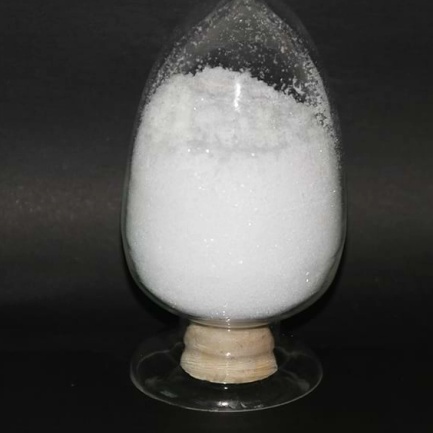
Barium chloride, a white crystalline compound, is a key chemical in a variety of industrial processes. With its unique properties, it plays a significant role in several sectors, ranging from water treatment to chemical production. Understanding the many uses of barium chloride is essential for anyone involved in industries that rely on this versatile compound.
Barium chloride is most commonly produced by the reaction of barium carbonate (BaCO₃) with hydrochloric acid (HCl). This compound has a range of applications due to its ability to interact with other substances and its solubility in water. Whether used in manufacturing, water treatment, or laboratory research, barium chloride's utility is vast. In this article, we will delve into its various uses, its benefits, and how businesses can utilize it effectively.
Key Applications of Barium Chloride
1. Water Treatment
Barium chloride plays a significant role in water treatment, particularly in industrial and municipal water systems. Its ability to remove harmful impurities, such as sulfate ions and radioactive elements, makes it indispensable for maintaining clean and safe water supplies.
How Does It Work in Water Treatment?
Barium chloride is used in water treatment primarily for its ability to precipitate sulfate ions. When barium chloride is added to water containing sulfate, it reacts with the sulfate ions to form barium sulfate (BaSO₄), an insoluble compound. This reaction is beneficial because barium sulfate precipitates out of the solution, making it easier to remove from the water.
This process plays a critical role in preventing damage to water systems and infrastructure. The presence of sulfate can lead to corrosion and scaling in pipes and machinery, which can incur significant maintenance costs. Furthermore, sulfate contamination can negatively affect the taste and safety of drinking water. By effectively removing sulfates, barium chloride ensures that the water is safer for consumption and use in industrial processes.
Barium chloride is also employed to remove radium and other radioactive elements from water. These elements, often found in groundwater, pose serious health risks if consumed over time. The removal of these contaminants is crucial for meeting safety and environmental standards.
2. Chemical Manufacturing
Barium chloride is a key precursor in the production of various barium compounds, which are used in a broad range of industries, including chemicals, electronics, pharmaceuticals, and materials science. Its role in chemical manufacturing extends beyond water treatment, where it serves as a building block for many important compounds.
Applications in Chemical Production:
Barium Carbonate: One of the primary uses of barium chloride is in the production of barium carbonate. This compound is essential in the ceramics industry, where it is used in the production of glazes. Additionally, barium carbonate is used in the manufacturing of glass, especially in optical glass and televisions. It also serves as a stabilizer in rubber production.
Barium Sulfate: Barium sulfate, another compound derived from barium chloride, has extensive industrial uses. It is primarily used as a weighting agent in drilling fluids, which are used in the oil and gas industry to ensure that the drilling operation proceeds smoothly. It is also employed in medical imaging as a contrast medium for X-ray and CT scans. Barium sulfate’s ability to absorb X-rays makes it invaluable for enhancing the visibility of internal structures in the human body during diagnostic imaging.
Other Barium Salts: Barium chloride is used to produce other barium salts, each serving specific industrial needs. For example, barium titanate, used in electronic capacitors, is produced from barium chloride. These barium-based materials are critical in various technological applications, from electronics to specialized manufacturing processes.
3. Pigment and Dye Production
Barium chloride is also an important component in the pigment and dye industry. It is used in the production of barium-based pigments, which are known for their durability, opacity, and resistance to UV degradation. These pigments are extensively used in paints and coatings, especially for outdoor applications that require long-lasting color retention.
Importance in Paints and Coatings:
Barium-based pigments, such as barium sulfate and barium titanate, are integral to creating vibrant, durable white pigments used in automotive and interior coatings. Barium sulfate, for example, is utilized in the production of high-quality white paints. These pigments are valued for their excellent opacity, which ensures that they provide a solid, opaque covering with minimal layers. Furthermore, barium titanate is used in ceramics, providing high brightness and stability in colors.
Due to their resistance to UV radiation, these barium-based pigments are particularly useful for outdoor applications, where exposure to sunlight is a significant concern. Barium chloride, by facilitating the synthesis of these pigments, plays a crucial role in providing coatings that retain their color and appearance over time, even in harsh environments.
4. Flame Retardants
Barium chloride is an essential ingredient in the production of flame retardants. These compounds are used to treat materials like plastics and textiles, providing them with enhanced fire resistance. In industries such as construction, automotive, and textiles, fire-resistant materials are of paramount importance to ensure safety and compliance with fire safety regulations.
How Barium Chloride Contributes to Flame Retardants:
When incorporated into flame retardant formulations, barium chloride helps to reduce the flammability of materials by interfering with the chemical processes that lead to combustion. It works by promoting the formation of a protective char layer on the surface of the material, which slows down the spread of fire. This is particularly useful in applications such as building materials, automotive components, and clothing, where fire resistance is a critical safety concern.
By enhancing the fire resistance of materials, barium chloride ensures compliance with stringent fire safety standards, preventing the risk of fire-related accidents in various industries.
5. Laboratory Applications
In laboratory settings, barium chloride serves a variety of roles, particularly in chemical analysis and reagent synthesis. It is commonly used to precipitate sulfate ions from solutions, which is a standard technique in analytical chemistry. This property makes it useful for detecting and quantifying sulfate concentrations in various samples, such as water, soil, and industrial effluents.
Role in Analytical Chemistry:
Barium chloride is used in gravimetric analysis to determine the amount of sulfate in a given sample. When barium chloride is added to a solution containing sulfate ions, it forms barium sulfate, a precipitate that can be filtered, dried, and weighed to determine the sulfate content in the sample. This method is especially important for environmental testing and quality control in water treatment.
Benefits of Barium Chloride in Industry
1. Cost-Effectiveness
Barium chloride is relatively inexpensive to produce, especially compared to other chemicals with similar functions. Its cost-effectiveness makes it an attractive option for industrial applications, particularly in water treatment and chemical production.
2. Versatility
The wide range of applications for barium chloride, from water purification to chemical manufacturing, highlights its versatility. This adaptability makes it an essential component in many industries, providing businesses with an efficient and reliable solution for various challenges.
3. Environmental Safety
When used properly, barium chloride has minimal environmental impact. In water treatment, for example, it helps reduce pollution by removing harmful elements without leaving behind toxic residues. The compound is carefully managed to ensure that it does not harm ecosystems, particularly in aquatic environments.
How to Choose the Right Barium Chloride Supplier
When sourcing barium chloride for industrial use, it's essential to partner with a supplier that offers high-quality, reliable products. Here's what to consider when choosing a supplier:
Criteria | Importance |
Purity and Quality | Ensures that the compound performs as expected in applications. |
Regulatory Compliance | Verifies that the product meets safety and environmental standards. |
Supply Capacity | A supplier should be able to meet your demand for consistent delivery. |
Price Competitiveness | Helps ensure that your project stays within budget. |
Selecting a supplier who meets these criteria will help ensure that your barium chloride applications are efficient, cost-effective, and environmentally safe.
Conclusion
Barium chloride is a versatile and crucial compound in various industries, from water treatment to chemical production and beyond. Its ability to serve multiple applications—from purifying water to enhancing pigments—makes it indispensable in today's industrial landscape.
At Qingdao Red Butterfly Precision Materials Co., Ltd., we provide high-quality barium chloride products tailored to meet the specific needs of various industries. Whether you're in water treatment, manufacturing, or analytical research, our barium chloride ensures that your operations are efficient, cost-effective, and environmentally responsible.
For more information on how our products can support your business and improve your processes, feel free to contact us. Our team is ready to assist you in finding the right solution for your needs.
FAQ
Q1: What is barium chloride used for in water treatment?
Barium chloride is primarily used in water treatment to remove sulfate ions and radioactive elements, ensuring that the water is safe and clean.
Q2: How does barium chloride help in the production of pigments?
Barium chloride is used in the production of barium-based pigments, which provide bright, durable, and UV-resistant coatings for various applications.
Q3: Is barium chloride safe for industrial use?
Yes, when used according to safety guidelines, barium chloride is safe for industrial use, especially in water treatment and chemical manufacturing.
Q4: How does barium chloride benefit the chemical industry?
Barium chloride serves as a precursor for the production of other barium compounds, which are used in a variety of chemical applications such as pigments, flame retardants, and more.

 English
  العربية
  Français
  Русский
  Español
  Português
  Deutsch
  italiano
  日本語
日本語  한국어
한국어  Nederlands
  Tiếng Việt
  ไทย
ไทย  Polski
  Türkçe
  አማርኛ
አማርኛ  ພາສາລາວ
  ភាសាខ្មែរ
  Bahasa Melayu
  ဗမာစာ
ဗမာစာ  தமிழ்
தமிழ்  Filipino
  Bahasa Indonesia
  magyar
  Română
  Čeština
  Монгол
  қазақ
қазақ  Српски
  हिन्दी
  فارسی
فارسی  Kiswahili
  Slovenčina
  Slovenščina
  Norsk
Norsk  Svenska
  українська
  Ελληνικά
  Suomi
Suomi  Հայերեն
  עברית
עברית  Latine
  Dansk
Dansk  اردو
اردو  Shqip
Shqip  বাংলা
বাংলা  Hrvatski
  Afrikaans
  Gaeilge
  Eesti keel
  Māori
Māori 


