
Barium chloride, specifically high purity barium chloride, is a chemical compound commonly used in various industries, including chemical manufacturing, medicine, and electronics. While it plays an essential role in several applications, it is crucial to understand the impact it can have on human health when exposed to the body. Whether in small quantities during its regular use or through accidental exposure, it is important to be aware of barium chloride's effects on the body, potential risks, and safety measures.
In this article, we will explore the different ways barium chloride interacts with the body, the symptoms of exposure, and the potential health hazards associated with this compound. We’ll also discuss the uses of high purity barium chloride in industrial applications and the safety precautions needed to handle it effectively.
What is Barium Chloride?
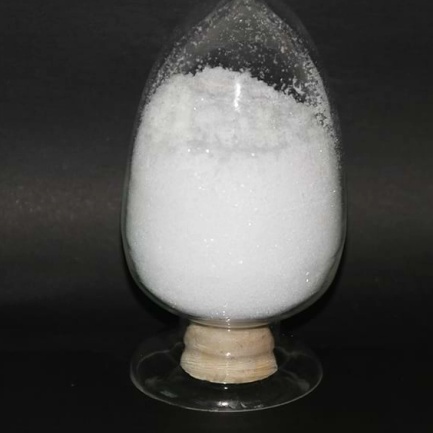
Barium chloride is a water-soluble salt of barium, with the chemical formula BaCl2. It is often found in the form of white crystals or powder, which can be dissolved in water to create a solution. Barium chloride is widely used in industries ranging from chemistry to pharmaceuticals. For example, it is used in the manufacture of barium-based compounds, in water treatment processes, and in laboratories for various analytical purposes. Its high purity form is often required in specific applications where precise and controlled chemical reactions are necessary.
While barium chloride is useful in many industries, it is also a substance that can pose a health risk when not handled correctly. Understanding what happens when barium chloride enters the body is essential for both safety and preventive measures.
How Does Barium Chloride Affect the Body?
A. Toxicity and Health Risks
When barium chloride enters the body, it interferes with the body's natural balance of electrolytes, especially potassium ions. Potassium is vital for maintaining normal cell function, particularly in the heart and muscles. An imbalance in potassium levels due to barium chloride exposure can lead to a variety of health complications, some of which can be severe or even life-threatening.
1. Cardiovascular Effects
Barium chloride’s effect on potassium levels can have a profound impact on the cardiovascular system. Potassium is crucial for maintaining the normal rhythm of the heart. When high levels of barium chloride replace potassium ions in the bloodstream, it can cause a range of cardiovascular issues:
Arrhythmias: The most significant effect of potassium imbalance is the disruption of the heart's electrical activity. This can lead to abnormal heart rhythms, known as arrhythmias. These irregular heartbeats can vary in severity and can be dangerous if not managed promptly.
High Blood Pressure: Barium chloride exposure can lead to increased blood pressure (hypertension), which strains the cardiovascular system over time, potentially leading to heart disease or stroke if left untreated.
Cardiac Arrest: In extreme cases, a severe potassium imbalance caused by barium chloride can lead to life-threatening conditions, including cardiac arrest. Without immediate medical intervention, cardiac arrest can result in death.
2. Neurological Effects
Barium chloride also affects the nervous system, primarily due to its interference with potassium balance. Potassium is involved in the transmission of electrical signals in nerves and muscles. When barium chloride alters potassium levels, it can cause neurological symptoms such as:
Muscle Weakness: A potassium imbalance can impair muscle function, leading to weakness, particularly in the arms and legs. This can make it difficult for individuals to perform normal activities and may escalate to muscle paralysis in severe cases.
Paralysis: If left untreated, the disruption in potassium levels can result in paralysis, especially in the limbs. This condition can worsen over time, rendering the affected person immobile and potentially life-threatening if the respiratory muscles are involved.
Numbness and Tingling: Individuals exposed to significant levels of barium chloride may experience numbness and tingling sensations, especially in the hands and feet. These sensations are signs of nerve damage or dysfunction.
Confusion, Convulsions, and Tremors: As the exposure to barium chloride progresses, neurological symptoms can escalate, causing confusion, seizures, and involuntary muscle movements (tremors). These symptoms often require immediate medical intervention to prevent further neurological damage.
3. Kidney Damage
Barium chloride exposure can also harm the kidneys. The kidneys are responsible for filtering toxins from the bloodstream, and when exposed to high concentrations of barium chloride, they can become overwhelmed. Prolonged exposure or high doses of barium chloride can lead to:
Kidney Dysfunction: The kidneys may struggle to filter out the excess toxins, leading to dysfunction. This can manifest as a decrease in urine output or swelling in the body.
Kidney Failure: In severe cases, prolonged exposure to barium chloride can lead to acute kidney failure. This is a critical condition that can result in the need for dialysis or even organ transplant if not treated quickly.
4. Respiratory Issues
Inhalation of barium chloride dust or fumes is another route of exposure, particularly in occupational settings such as industries that use barium compounds. When inhaled, barium chloride can cause respiratory distress, irritation, and damage to lung tissues. Some of the possible respiratory issues include:
Breathing Difficulty: Inhalation of barium chloride can cause shortness of breath and respiratory distress, particularly in individuals with pre-existing respiratory conditions such as asthma.
Lung Irritation: The chemical irritation caused by inhaling barium chloride particles can lead to inflammation of the lung tissues, making it harder to breathe.
Pulmonary Edema: Chronic or high-level exposure to barium chloride may lead to pulmonary edema, a condition where fluid accumulates in the lungs, impairing gas exchange and potentially causing suffocation.
Long-Term Respiratory Issues: Prolonged exposure to barium chloride fumes or dust can lead to more serious lung conditions, including chronic obstructive pulmonary disease (COPD) and fibrosis, which require ongoing treatment and management.
B. Symptoms of Barium Chloride Poisoning
In case of accidental exposure to barium chloride, the following symptoms may occur:
Symptom | Cause |
Nausea and vomiting | Digestive system irritation caused by barium chloride ingestion |
Muscle weakness | Due to disruption of potassium balance in the body |
Abnormal heart rhythms | High barium levels affecting cardiac function |
Headaches | Potential neurological side effect |
Shortness of breath | Respiratory distress from inhaling fumes or dust |
If you suspect exposure to barium chloride, it is important to seek immediate medical attention to prevent severe complications. Treatment generally involves removing the source of exposure, stabilizing electrolyte balance, and supporting organ function.
ndustrial Uses and Handling of Barium Chloride
A. Applications in Industry
High purity barium chloride is used across several industries due to its versatility. It is primarily involved in the production of barium compounds, such as barium sulfate and barium carbonate, which are used in industries ranging from paints and plastics to oil drilling and water treatment.
It is also used in analytical chemistry, specifically for precipitation reactions, and in the manufacture of optical glass due to its ability to absorb X-rays. Furthermore, barium chloride plays a role in the synthesis of pharmaceuticals and catalysts for chemical reactions.
B. Safety Measures and Precautions
Given the toxicity of barium chloride, handling it requires strict adherence to safety protocols. The following precautions should be observed:
Proper Personal Protective Equipment (PPE):
Workers handling barium chloride should wear appropriate PPE, including gloves, safety glasses, and respiratory protection if there is a risk of inhalation.
Safe Storage:
Barium chloride should be stored in airtight containers to prevent contamination. It should be kept in a cool, dry place and handled in well-ventilated areas.
Spill Containment:
In case of a spill, barium chloride should be cleaned up immediately using proper containment methods. Contaminated materials should be disposed of following local hazardous waste disposal regulations.
Training and Education:
Employees should be trained on the risks of barium chloride exposure and how to handle it safely. Regular safety drills should be conducted to prepare workers for any potential exposure scenarios.
Conclusion
High purity barium chloride is an important chemical compound with numerous industrial applications, but it is important to recognize the potential health risks associated with improper handling. Understanding the impact it can have on the body and taking the proper safety precautions can prevent poisoning and long-term damage. Whether you are using barium chloride in manufacturing, water treatment, or research, always ensure that proper safety measures are in place to protect workers and the environment.
At Qingdao Red Butterfly Precision Materials Co., Ltd., we provide high-quality barium chloride for various industrial applications. We are committed to ensuring the safe handling and use of this product, providing both high-grade materials and comprehensive safety guidelines for our clients. Contact us today to learn more about how we can support your business with our premium chemical products.
FAQ Section
What is the main use of barium chloride?
Barium chloride is primarily used in the manufacture of barium compounds, water treatment, analytical chemistry, and pharmaceutical production.
How does barium chloride affect the body?
Barium chloride can cause heart problems, muscle weakness, kidney damage, and respiratory issues if it enters the body in large amounts.
What safety measures should be taken when handling barium chloride?
Always wear PPE, store the chemical in airtight containers, and follow safe disposal practices. Proper training is essential for handling barium chloride.
Can barium chloride poisoning be treated?
Yes, medical treatment involves removing the source of exposure, correcting electrolyte imbalances, and supporting organ function to prevent long-term damage.

 English
  العربية
  Français
  Русский
  Español
  Português
  Deutsch
  italiano
  日本語
日本語  한국어
한국어  Nederlands
  Tiếng Việt
  ไทย
ไทย  Polski
  Türkçe
  አማርኛ
አማርኛ  ພາສາລາວ
  ភាសាខ្មែរ
  Bahasa Melayu
  ဗမာစာ
ဗမာစာ  தமிழ்
தமிழ்  Filipino
  Bahasa Indonesia
  magyar
  Română
  Čeština
  Монгол
  қазақ
қазақ  Српски
  हिन्दी
  فارسی
فارسی  Kiswahili
  Slovenčina
  Slovenščina
  Norsk
Norsk  Svenska
  українська
  Ελληνικά
  Suomi
Suomi  Հայերեն
  עברית
עברית  Latine
  Dansk
Dansk  اردو
اردو  Shqip
Shqip  বাংলা
বাংলা  Hrvatski
  Afrikaans
  Gaeilge
  Eesti keel
  Māori
Māori 


