Introduction
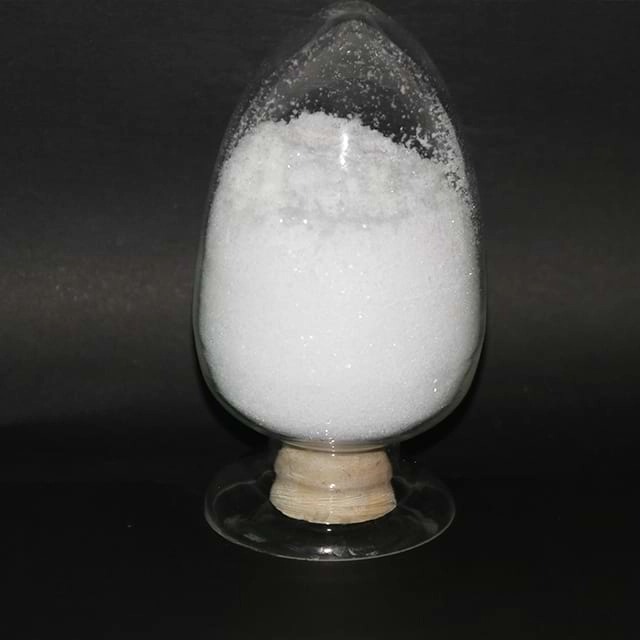
Barium chloride is an industrial chemical compound that plays a key role as an intermediate material in the production of other barium salts, pigments, and wastewater treatment agents. Despite its valuable uses in manufacturing and chemistry, barium chloride is also known as a highly toxic substance that poses serious health risks to humans. Even small amounts of exposure can disrupt normal physiological processes and lead to severe poisoning. Understanding what barium chloride does to the body is crucial for anyone working with or around this compound, as proper awareness can prevent life-threatening consequences.
Does barium chloride possess toxicity?
Barium chloride can affect the body only when it enters through specific exposure routes. The most common entry points are ingestion and inhalation. In industrial or laboratory settings, workers may breathe in fine barium chloride dust or accidentally swallow contaminated particles. Direct skin contact, while less dangerous, can also contribute to absorption if the skin barrier is compromised. Once inside, the compound dissolves readily in water and releases free barium ions, which are responsible for its toxic impact. The degree of harm depends on the quantity absorbed, the exposure frequency, and the individual’s baseline health condition.
Table 1: Routes of Barium Chloride Exposure and Associated Risks
| Route of Entry | Mechanism of Absorption | Risk Level |
| Ingestion | Dissolves in stomach acid, releases ions | Very High |
| Inhalation | Dust particles absorbed via lungs | High |
| Skin Contact | Minor absorption through damaged skin | Moderate |
| Eye Contact | Irritation, potential systemic absorption | Moderate |
The Toxic Mechanism of Barium Chloride
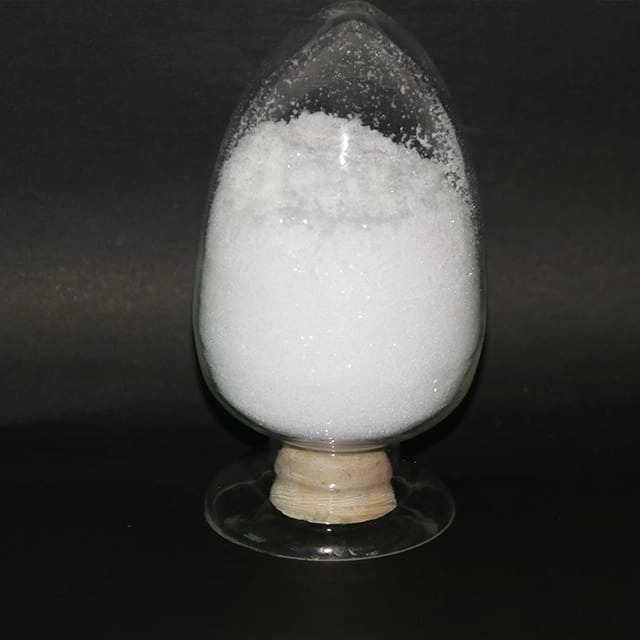
Once barium chloride dissolves inside the body, it releases barium ions, which interfere with the normal functioning of potassium channels in muscle and nerve cells. This disruption prevents potassium from leaving cells, leading to sustained muscle contraction and abnormal nerve signaling. The imbalance affects both voluntary and involuntary muscles, including the heart and smooth muscles of the gastrointestinal tract. As a result, the toxic action of barium chloride manifests as muscle weakness, breathing difficulties, irregular heartbeat, and severe cramps. These mechanisms highlight why even small amounts of barium chloride can have life-threatening consequences.
Acute Effects on Different Organ Systems
The short-term impact of barium chloride poisoning depends on which organ systems are most exposed to its toxic action. Within minutes to hours, the following acute effects typically occur:
Digestive System: Severe abdominal pain, vomiting, and diarrhea due to irritation and muscle spasms in the intestines.
Musculoskeletal System: Intense cramping, twitching, and progressive paralysis as muscle fibers remain overstimulated.
Cardiovascular System: Irregular heartbeat, fluctuating blood pressure, and possible cardiac arrest.
Respiratory System: Difficulty breathing as respiratory muscles weaken, leading to oxygen deprivation.
Table 2: Acute Symptoms of Barium Chloride Exposure
| System Affected | Typical Symptoms | Severity Level |
| Digestive | Nausea, vomiting, diarrhea | Moderate-High |
| Musculoskeletal | Cramps, paralysis, weakness | High |
| Cardiovascular | Arrhythmia, cardiac arrest | Very High |
| Respiratory | Dyspnea, respiratory failure | Very High |
These acute effects often require immediate medical intervention, as untreated poisoning can rapidly escalate into life-threatening complications.
Long-Term Consequences of Barium Chloride Exposure
While acute poisoning episodes receive the most attention, repeated low-level exposure to barium chloride can also have long-term consequences. Chronic exposure has been linked to persistent muscle weakness, gastrointestinal disturbances, and kidney strain. Over time, the kidneys may accumulate barium, leading to impaired filtration and electrolyte imbalances. Nervous system effects may manifest as tingling sensations, coordination problems, and chronic fatigue. Unlike some toxic metals, barium does not bioaccumulate indefinitely, but its repeated intake can overwhelm natural excretion mechanisms. These outcomes make occupational monitoring essential in industries where barium chloride is used frequently.
Medical Treatment and Emergency Response
Managing barium chloride poisoning requires rapid and targeted medical intervention. The primary goal is to prevent further absorption and restore normal electrolyte balance. Medical treatments may include:
Gastric lavage to remove unabsorbed compound from the stomach.
Administration of soluble sulfates (such as magnesium sulfate) to precipitate barium ions into insoluble, less harmful forms.
Intravenous potassium supplementation to counteract the potassium-blocking effects of barium ions.
Cardiac monitoring and respiratory support to stabilize vital functions.
Emergency response protocols emphasize the importance of immediate hospital admission after suspected ingestion or inhalation, as delayed treatment dramatically increases mortality risk.
Occupational Safety and Preventive Measures
Since many cases of barium chloride exposure occur in workplaces, occupational safety is a primary defense strategy. Employers and workers can reduce risks through strict handling protocols. Protective equipment such as gloves, goggles, and masks minimizes direct exposure. Proper ventilation and dust control systems further reduce inhalation risks. Storage in sealed, labeled containers prevents accidental ingestion or contamination. Training workers on the specific hazards of barium chloride and preparing emergency response kits ensures that potential incidents are managed quickly and effectively.
Table 3: Workplace Safety Practices for Handling Barium Chloride
| Safety Measure | Description |
| Personal Protection | Gloves, goggles, respirators |
| Engineering Controls | Ventilation, dust collection systems |
| Storage Protocols | Labeled, sealed, secure containers |
| Worker Training | Hazard awareness and first-aid knowledge |
Comparing Barium Chloride with Other Barium Compounds
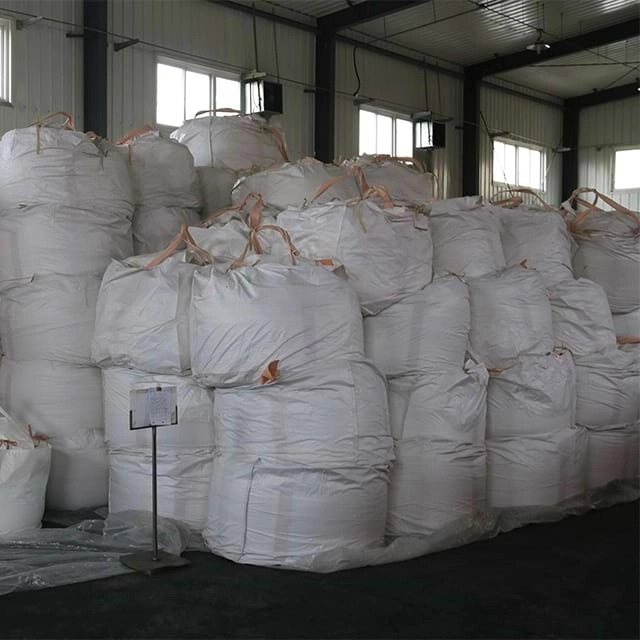
Not all barium compounds pose the same level of toxicity. For example, barium sulfate is widely used in medical imaging because it is insoluble and passes harmlessly through the digestive system. In contrast, soluble compounds like barium chloride and barium nitrate are highly toxic due to their ability to release free barium ions. This comparison underscores the fact that toxicity depends less on the element itself and more on the chemical form in which it is encountered. Understanding this distinction is crucial for both medical professionals and industrial workers.
Conclusion
Barium chloride is a compound with practical applications but significant health hazards when it enters the human body. Its toxic mechanism revolves around interference with potassium balance, leading to severe disturbances in muscle, heart, and nerve function. Acute exposure can result in rapid, life-threatening symptoms, while chronic exposure increases risks of kidney damage and neurological problems. Effective treatment requires immediate medical attention, while prevention relies on strict occupational safety measures. By recognizing the dangers of barium chloride and implementing protective strategies, both individuals and industries can minimize harm and ensure safer handling of this hazardous chemical.
FAQ
1. Why is barium chloride considered toxic?
Because it dissolves easily in water, releasing barium ions that disrupt potassium balance in the body and interfere with muscle and nerve function.
2. Is barium chloride used in medicine?
No. Unlike barium sulfate, which is safe and used for X-ray imaging, barium chloride is too toxic for any medical application.
3. What should I do if I accidentally come into contact with barium chloride?
Immediately rinse the affected area with plenty of water, remove contaminated clothing, and seek medical attention—especially if ingestion or inhalation occurred.
4. How can workplaces safely handle barium chloride?
By enforcing proper labeling, using personal protective equipment, maintaining good ventilation, and providing training on emergency response.
5. Can barium chloride contaminate the environment?
Yes. Improper disposal can lead to soil and water contamination, posing risks to aquatic life and human health. Proper waste management and neutralization are required.

 English
  العربية
  Français
  Русский
  Español
  Português
  Deutsch
  italiano
  日本語
日本語  한국어
한국어  Nederlands
  Tiếng Việt
  ไทย
ไทย  Polski
  Türkçe
  አማርኛ
አማርኛ  ພາສາລາວ
  ភាសាខ្មែរ
  Bahasa Melayu
  ဗမာစာ
ဗမာစာ  தமிழ்
தமிழ்  Filipino
  Bahasa Indonesia
  magyar
  Română
  Čeština
  Монгол
  қазақ
қазақ  Српски
  हिन्दी
  فارسی
فارسی  Kiswahili
  Slovenčina
  Slovenščina
  Norsk
Norsk  Svenska
  українська
  Ελληνικά
  Suomi
Suomi  Հայերեն
  עברית
עברית  Latine
  Dansk
Dansk  اردو
اردو  Shqip
Shqip  বাংলা
বাংলা  Hrvatski
  Afrikaans
  Gaeilge
  Eesti keel
  Māori
Māori 


