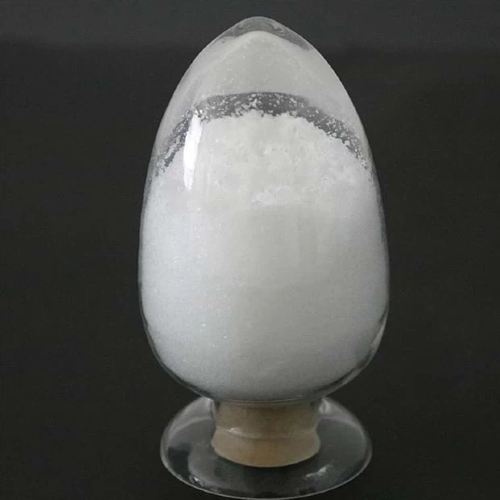
Achieving optimal saponification efficiency is a persistent challenge for chemical manufacturers. Saponification efficiency and end-product stability depend directly on the alkalizing agent's consistency. Small variations in raw materials can trigger massive disruptions across industrial production lines.
Standard sodium or potassium hydroxides often fall short in specialized applications. Using Barium Hydroxide Monohydrate offers specific advantages for specialized saponification, such as producing barium complex greases or executing specific ester cleavages. However, trace impurities and grading variations can quickly derail these benefits. Low-quality inputs inevitably cause formulation drift and inflate operational costs.
We will explore how to select the precise chemical grade for your specific operational needs. You will learn a practical framework for evaluating supplier specifications, mitigating impurity risks,.
Key Takeaways
Grade alignment dictates yield: Selecting between industrial and high-purity grades of barium hydroxide monohydrate directly impacts batch consistency and filtration costs.
Carbonate limits are non-negotiable: High barium carbonate ($BaCO_3$) levels reduce active alkalinity, causing incomplete saponification and formulation drift.
Trace impurities drive hidden costs: Iron, strontium, and calcium anomalies in the raw material can compromise end-product color, thermal stability, and regulatory compliance.
Supplier verification requires strict CoA matching: Shortlisting requires validating Certificates of Analysis against standardized test methods for moisture stability and heavy metal content.
The Business Case for Precise Grade Selection in Saponification
Defining the Technical Baseline
You must understand the foundational chemistry to control industrial saponification. Barium hydroxide monohydrate reacts with fatty acids and triglycerides to form thick, durable metal soaps. This complex saponification process creates robust thickener systems. These systems are highly valued in extreme-pressure lubricants and water-resistant greases. The single water molecule in the monohydrate structure provides unique reaction kinetics. It controls the heat of hydration during the initial mixing phase. This controlled heat prevents localized scorching of sensitive organic oils.
Operational Bottlenecks
Inconsistent raw material inputs introduce severe hidden costs. If your alkaline agent fluctuates in active strength, you face immediate operational bottlenecks. Operators must extend reaction times to ensure complete oil conversion. This slows down plant throughput. Poor phase separation often follows incomplete reactions. Unreacted oils remain suspended in the mixture. Furthermore, insoluble impurities act like abrasives. They cause high equipment wear on pumps, reactor impellers, and downstream filtration units.
Success Criteria for Procurement
Procurement teams need measurable outcomes to justify sourcing decisions. You cannot rely solely on the lowest price per metric ton. True success requires predictable saponification values across every batch. Your production line should experience minimal insoluble residues post-reaction. Finally, the end-product must exhibit repeatable thermal properties. For instance, barium complex greases should consistently meet their target dropping points. Achieving these criteria lowers overall manufacturing costs.
Best Practices for Establishing Baselines
Always run a pilot batch when testing a new supplier. Document the exact reaction time, peak temperature, and required filtration pressure. Compare these metrics against your established operational baseline to identify hidden inefficiencies early.
Evaluating Barium Hydroxide Monohydrate Grades
Monohydrate vs. Octahydrate/Anhydrous
Manufacturers often debate which hydrate form to use. The monohydrate form is usually preferred for specific moisture-sensitive oil saponification processes. Anhydrous forms absorb ambient moisture too rapidly. They clump in storage and create intense, uncontrollable heat upon contacting water. The octahydrate form contains too much water weight. It melts into its own water of crystallization at relatively low temperatures. This makes handling difficult. The monohydrate offers ideal weight stability and excellent handling characteristics.
Hydrate Form | Moisture Stability | Handling Characteristics | Primary Drawback |
Anhydrous | Poor | Prone to severe clumping | Highly exothermic upon wetting |
Monohydrate | Excellent | Free-flowing powder | Requires strict carbonate control |
Octahydrate | Moderate | Melts easily under heat | Low active barium per kg |
Industrial Grade
Industrial grade materials typically feature purity ranges between 97% and 98%. This grade is the industry workhorse. It is the best fit for bulk manufacturing environments. Facilities producing standard lubricating greases or heavy-duty industrial surfactants rely heavily on this grade. In these applications, downstream filtration is already an integral part of the process. The system can easily handle minor impurities without halting production.
High-Purity / Reagent Grade
High-purity grades offer purity levels exceeding 99%. They cost significantly more but solve specific manufacturing problems. This grade is the best fit for fine chemicals, specialty cosmetics, and pharmaceutical intermediates. These highly regulated sectors require minimal trace contaminants. Using high-purity grades eliminates the need for aggressive post-reaction purification steps. It also guarantees compliance with stringent industry safety monographs.
Critical Impurity Markers and Yield Impact
Barium Carbonate ($BaCO_3$) Interference
Carbonate contamination is a severe threat to saponification efficiency. The mechanism is straightforward. Atmospheric carbon dioxide ($CO_2$) exposure converts the hydroxide base into insoluble barium carbonate. This chemical reaction degrades the material before it even enters your reactor.
The outcome directly hurts your bottom line. High carbonate levels reduce the available active base. You dose what you believe is the correct amount, but the actual alkalinity is lower. This leads to unreacted oils and skewed saponification values. Consequently, the final grease may suffer from oil bleeding and poor mechanical stability.
Insoluble Matter in Hydrochloric Acid (HCl)
Testing for insolubles in HCl evaluates the presence of non-reactive particulates. These particles usually consist of silica or unrefined barium ores like barite. They provide zero chemical value to your process.
The operational outcome is highly destructive. Insoluble grit increases mechanical pump wear. It causes severe reactor fouling over time. Operators must perform frequent clean-outs. Furthermore, it forces you to implement extensive post-reaction filtration. This slows down packaging lines and generates excessive hazardous waste.
Trace Metals (Iron, Strontium, Calcium)
Heavy metals and trace elements slip into Barium Hydroxide batches during the initial ore refinement process. You must monitor them closely.
Iron (Fe): Iron acts as a strong colorant and oxidation catalyst. It causes unwanted yellowing or browning in clear and light-colored soaps. It can also accelerate the rancidity of organic oils.
Strontium (Sr) & Calcium (Ca): These alkaline earth metals share similar chemical traits with barium. However, their atomic radii differ. They alter the crystalline structure of the resulting soap. This disruption severely damages the thermal performance and dropping point of barium-complex greases.
Common Mistakes in Quality Control
Many buyers accept a CoA based purely on total alkalinity. They fail to deduct the carbonate contribution. Always insist on separate test values for hydroxide content and carbonate content to calculate true active alkalinity.
TCO and ROI Drivers in Chemical Procurement
The False Economy of Low-Purity Pricing
Procurement teams often face pressure to reduce upfront material costs. However, buying low-grade raw materials is a false economy. Savings on cheap barium hydroxide are quickly offset by lower production yields. You must use more chemical to achieve the required saponification value. Longer processing times consume expensive energy. Increased unreacted waste drives up hazardous disposal costs. You end up paying more to manage the poor quality than you saved on the purchase price.
Filtration and Downtime Costs
High insoluble matter requires physical removal. You must quantify the operational impact of filtering out unreacted fats and grit. Filter presses consume expensive media. Labor costs spike when operators must continuously clean blinded filter screens. Unplanned downtime directly reduces your annual manufacturing capacity. A slight increase in raw material purity can entirely eliminate these filtration bottlenecks.
Moisture Variability
Moisture absorption during storage degrades the chemical. The financial impact of dosing inaccuracies is profound. If the monohydrate degrades or absorbs ambient moisture, its weight changes. Operators weighing out batches will unknowingly add less active ingredient. This necessitates mid-batch corrections. Adjusting a live reaction wastes labor and risks permanent product failure.
Shelf-life and Storage Overhead
Maintaining chemical integrity requires investment. There are real costs associated with maintaining specialized, dry storage environments. You must prevent carbonate formation by keeping humidity strictly controlled. High-quality suppliers invest in robust, multi-layer moisture-barrier packaging. This reduces your internal storage overhead and extends the practical shelf-life of the chemical.
Cost Component | Low-Purity Grade (95%) | High-Purity Grade (99%) |
Initial Material Cost | Lower | Higher |
Filtration Labor & Media | High (Frequent changes) | Minimal |
Yield Loss / Waste Disposal | Significant | Negligible |
Total Cost of Ownership | Higher | Lower |
Compliance, Safety, and Supplier Shortlisting Logic
Safety and Handling Risks
Barium compounds are highly toxic if ingested or inhaled. Dust control is critical. You must evaluate supplier packaging integrity carefully. Packages must be air-tight and moisture-proof. This prevents occupational exposure during material transfer. It also prevents product degradation. Pallets should arrive stretch-wrapped with intact liners. Damaged bags pose an immediate health risk to your warehouse staff and compromise the chemical inside.
Regulatory and Compliance Mapping
Global regulatory bodies strictly monitor heavy metal usage. Ensure the grade meets relevant industry standards. Depending on your region, you may need to map specifications to EPA guidelines or REACH regulations. If you manufacture pharmaceutical intermediaries, specialized pharmacopeia limits apply. Non-compliance results in product recalls and severe fines. Always request regulatory statements alongside standard technical data sheets.
Shortlisting Framework for Buyers
Do not select suppliers based on marketing claims. Use a rigorous, evidence-based approach to audit potential vendors. Follow these distinct steps:
Request recent, batch-specific Certificates of Analysis (CoA): Do not accept generic specification sheets. You need to see actual historical testing data from recent production runs.
Verify analytical testing methods: Check the exact methodology used for measuring Sr, Ca, and $BaCO_3$. Inductively coupled plasma (ICP) mass spectrometry is preferred for trace metals over outdated wet chemistry methods.
Procure sample sizes for pilot-scale testing: Conduct pilot-scale saponification testing before finalizing annual contracts. Verify that the lab results translate to real-world operational success.
Conclusion
Specifying the correct grade of barium hydroxide monohydrate is a highly strategic decision. It requires balancing upfront chemical costs against downstream processing efficiency. Opting for cheaper, low-grade alternatives inevitably drives up total manufacturing costs through yield loss and equipment wear. Impurities like carbonate and trace metals actively destroy the value of your end-product.
Prioritize suppliers who demonstrate transparent impurity testing. Demand robust packaging standards to guarantee batch-to-batch consistency. By strictly evaluating Certificates of Analysis and understanding your exact operational needs, you can secure a stable supply chain. This approach ensures predictable saponification, higher quality output, and an optimized total cost of ownership.
FAQ
Q: How does the water content in barium hydroxide monohydrate affect my formulation?
A: The single water molecule provides precise molecular weight stability. This allows for highly accurate dosing compared to the octahydrate form. It ensures consistent active alkalinity without introducing excess water that could disrupt moisture-sensitive saponification processes.
Q: What is the acceptable limit of barium carbonate for industrial grease saponification?
A: Typical industry thresholds keep barium carbonate below 1% to 2%, depending on the specific application. Exceeding this limit rapidly diminishes active base availability, leading to unreacted oils and soft grease formulations.
Q: Can I substitute potassium hydroxide (KOH) for barium hydroxide in my current saponification process?
A: Direct substitution is impossible without complete reformulation. KOH produces highly soluble, soft soaps. Barium yields dense, high-temperature, water-resistant complex soaps. Swapping them fundamentally changes the physical and thermal properties of your end-product.
Q: What is the standard method for verifying the purity of incoming barium hydroxide shipments?
A: Facilities use precise acid-base titration to determine total and active alkalinity. Furthermore, inductively coupled plasma (ICP) spectroscopic analysis is the industry standard for accurately quantifying disruptive trace metals like strontium, calcium, and iron.

 English
  العربية
  Français
  Русский
  Español
  Português
  Deutsch
  italiano
  日本語
日本語  한국어
한국어  Nederlands
  Tiếng Việt
  ไทย
ไทย  Polski
  Türkçe
  አማርኛ
አማርኛ  ພາສາລາວ
  ភាសាខ្មែរ
  Bahasa Melayu
  ဗမာစာ
ဗမာစာ  தமிழ்
தமிழ்  Filipino
  Bahasa Indonesia
  magyar
  Română
  Čeština
  Монгол
  қазақ
қазақ  Српски
  हिन्दी
  فارسی
فارسی  Kiswahili
  Slovenčina
  Slovenščina
  Norsk
Norsk  Svenska
  українська
  Ελληνικά
  Suomi
Suomi  Հայերեն
  עברית
עברית  Latine
  Dansk
Dansk  اردو
اردو  Shqip
Shqip  বাংলা
বাংলা  Hrvatski
  Afrikaans
  Gaeilge
  Eesti keel
  Māori
Māori 


