In recent years, consumers have become increasingly conscious of cosmetic ingredient safety. The demand for transparency and high-quality formulations has prompted manufacturers to carefully select additives that enhance product performance while maintaining safety standards. One commonly used ingredient in powders, blushes, eyeshadows, and foundations is Zinc Stearate.
Zinc Stearate is valued for its multifunctional properties, including lubrication, anti-caking, and oil absorption. It plays a crucial role in enhancing makeup texture, improving application, and ensuring stability. However, consumers often question its safety: Is Zinc Stearate safe in makeup?
To answer this question comprehensively, it is important to examine its chemical composition, functional mechanisms, applications, safety considerations, and regulatory compliance. Understanding these aspects allows both cosmetic formulators and consumers to make informed decisions about its use. Additionally, knowledge of environmental impact and long-term exposure considerations provides a holistic perspective on its safety.
1. Understanding Zinc Stearate
1.1 Chemical Composition and Properties
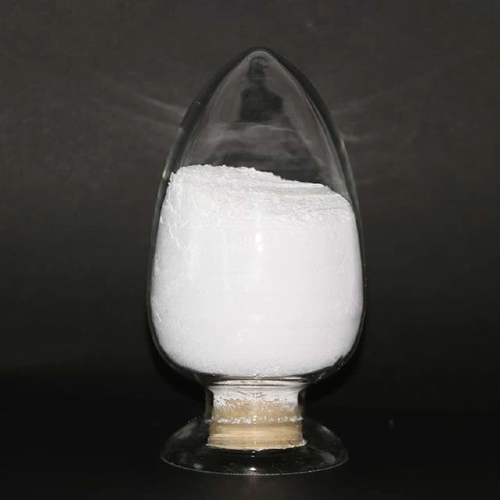
Zinc Stearate is a zinc salt of stearic acid, with the chemical formula Zn(C18H35O2)2. It is produced by reacting zinc oxide with stearic acid, resulting in a fine, white, waxy powder. Its physical and chemical properties make it ideal for cosmetic formulations: it is chemically inert, thermally stable, and insoluble in water but soluble in organic solvents such as chloroform and benzene.
Property | Description |
Chemical Formula | Zn(C18H35O2)2 |
Appearance | White, waxy powder |
Solubility | Insoluble in water; soluble in organic solvents |
Melting Point | 120–130°C |
Stability | Resistant to oxidation and degradation under normal conditions |
Odor | Odorless |
Key Functions | Lubricant, anti-caking agent, release agent, oil absorber |
These properties ensure that Zinc Stearate maintains its functionality over time without affecting the stability of other ingredients in makeup formulations. Its waxy nature allows it to coat pigments and powder particles, reducing friction and improving flowability. This coating mechanism is central to its role in both industrial processing and consumer use.
1.2 Why Zinc Stearate is Used in Cosmetics
In cosmetics, Zinc Stearate provides several benefits:
Texture Enhancement: Creates a smooth, silky feel in powders, blushes, and eyeshadows.
Flow and Consistency: Prevents clumping and ensures even pigment dispersion, essential for professional-looking makeup.
Oil Control: Absorbs excess sebum, reducing shine and extending wear time.
Processing Aid: Facilitates easier manufacturing by preventing powders from sticking to machinery or clumping during storage.
Its chemical inertness and low reactivity make it compatible with a wide variety of cosmetic ingredients, including pigments, fillers, and other excipients. This ensures product consistency and quality across different batches.
2. Functional Benefits of Zinc Stearate in Makeup
2.1 Texture and Application Improvement
Zinc Stearate acts as a surface-active agent, forming a thin layer around powder particles. This layer minimizes friction between particles and the skin or application tool, enabling a smooth and even application. By reducing clumping and static effects, it allows pigments to spread evenly, resulting in a professional and uniform finish.
Moreover, this property ensures that makeup retains a consistent texture over time. Powders remain free-flowing in packaging, which is crucial for long-term usability. For pressed powders, it also helps maintain structural integrity, preventing the product from breaking or crumbling during handling or transport.
2.2 Oil Absorption and Skin Protection
Zinc Stearate is both hydrophobic and lipophilic, giving it unique oil-absorbing capabilities. When applied to makeup formulations:
It absorbs excess sebum from the skin, helping maintain a matte finish throughout the day.
It prevents products from turning greasy or separating under high humidity or skin oil.
It reduces the likelihood of product migration into fine lines or pores, making it suitable for sensitive or combination skin.
This combination of properties ensures that products remain visually appealing and comfortable for users, even during extended wear.
2.3 Stability and Shelf Life Enhancement
Another significant advantage of Zinc Stearate is its ability to enhance product stability. By coating powder particles, it protects them from moisture and environmental humidity, which are common causes of caking and degradation.
Stability Aspect | Role of Zinc Stearate |
Anti-caking | Prevents aggregation of powder particles |
Moisture Resistance | Protects against humidity-induced clumping |
Pigment Dispersion | Ensures even distribution of colorants |
Thermal Stability | Maintains functionality under normal storage temperatures |
These features ensure that makeup retains its intended texture, appearance, and usability over time. Its thermal stability allows it to withstand typical storage conditions without degrading or producing unwanted byproducts, making it reliable for both manufacturers and consumers.
3. Safety Considerations
3.1 Skin Safety
Zinc Stearate is recognized as having low irritation potential. Clinical evaluations and toxicological studies confirm that it is generally safe for skin contact. Key points include:
Minimal potential for irritation, even for sensitive skin types.
Non-comedogenic properties, meaning it does not clog pores.
Rare occurrence of allergic reactions, making it broadly suitable for most consumers.
It is important for formulators to maintain appropriate concentrations within cosmetic products to ensure maximum safety while retaining functionality.
3.2 Inhalation Risks
Powder-based cosmetics may pose inhalation risks, especially in loose powder products. While Zinc Stearate is low-toxicity, fine particles can potentially irritate the respiratory system if inhaled repeatedly in high concentrations.
Aspect | Safety Consideration |
Particle Size | Smaller particles are more likely to be inhaled; careful milling can reduce risk. |
Product Use | Encourage controlled application; prefer compact forms over loose powders for daily use. |
Workplace Safety | Manufacturing settings should ensure proper ventilation and provide PPE for employees. |
For general consumers, inhalation during routine makeup application is negligible. Proper product design, such as pressed or compact powders, further mitigates any potential exposure.
3.3 Regulatory Guidelines
Zinc Stearate is widely recognized as safe for cosmetic use under regulatory standards:
FDA (U.S.): Approved for use in makeup products at regulated concentrations.
European Union (EU): Listed as a permissible cosmetic ingredient with defined limits.
Cosmetic Ingredient Review (CIR): Confirms safety when used according to intended concentrations.
Compliance with these standards ensures the safety and efficacy of products containing Zinc Stearate for consumers worldwide.
3.4 Special Considerations for Sensitive Users
Certain populations may benefit from additional caution:
Children: Products should maintain lower concentrations appropriate for delicate skin.
Pregnant or Nursing Women: Generally safe, but users should consult product labels or healthcare advice.
Long-Term Daily Use: Repeated use over extended periods shows minimal risk, provided formulations meet regulatory safety requirements.
4. Environmental and Long-Term Safety
4.1 Biodegradability and Environmental Impact
Zinc Stearate is biodegradable and has minimal environmental toxicity. It does not accumulate significantly in ecosystems, and when properly managed, poses low ecological risks. Its use in cosmetic formulations is generally considered environmentally responsible, especially compared to other synthetic additives.
4.2 Long-Term Exposure and Accumulation
Daily cosmetic use results in surface-level exposure, with minimal absorption into the body. Long-term studies indicate that Zinc Stearate:
Does not bioaccumulate in tissues.
Maintains chemical stability on the skin, preventing reactions with other cosmetic ingredients.
Exhibits negligible systemic toxicity, making it safe for routine consumer use.
These factors confirm its suitability for regular application in makeup products without health concerns.
5. Common Applications of Zinc Stearate in Makeup
Cosmetic Product Type | Function of Zinc Stearate |
Loose Powder | Anti-caking, smooth application, oil absorption |
Pressed Powder | Stability, flow control, uniform texture |
Blush & Eyeshadow | Smooth blending, pigment dispersion, long-lasting finish |
Foundations | Enhanced spreadability, oil control, non-clogging |
Cosmetic Brushes & Sponges | Improves product transfer, reduces adhesion of powders |
Zinc Stearate plays a crucial role across a wide range of makeup products due to its multifunctional properties. In loose powders, it prevents caking and ensures a smooth, even application while absorbing excess oils for a matte finish. For pressed powders, it enhances stability, maintains flow, and ensures uniform texture over time. In blushes and eyeshadows, it facilitates smooth blending and even pigment dispersion, contributing to long-lasting color and professional appearance. Foundations benefit from improved spreadability, better oil control, and non-clogging performance, making them comfortable for daily wear. Additionally, Zinc Stearate in cosmetic brushes and sponges enhances product transfer and reduces powder adhesion, ensuring more efficient and precise application. These applications underscore its versatility and indispensable role in both product performance and user safety.
6. Conclusion
Zinc Stearate is considered safe for use in makeup when applied according to industry standards. Its multifunctional properties—including anti-caking, lubrication, oil absorption, and texture enhancement—make it an essential ingredient in powders, blushes, eyeshadows, and other cosmetic products. These features ensure smooth application, long-lasting wear, and minimal skin irritation, offering benefits to both consumers and manufacturers.
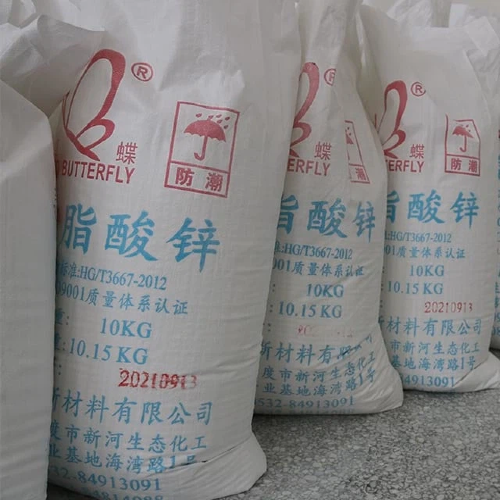
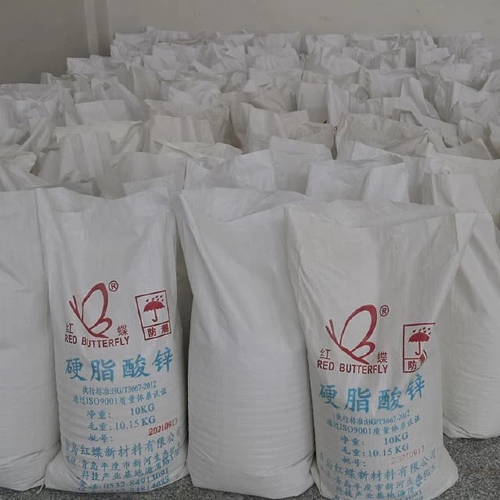
For those seeking high-quality Zinc Stearate or professional guidance on its applications in cosmetic formulations, Qingdao Red Butterfly Precision Materials Co., Ltd. provides reliable products and expert support. Their team can assist with product selection, technical advice, and customized solutions tailored to specific manufacturing needs. Contacting the company directly is recommended for anyone looking to explore their range of cosmetic-grade additives or discuss potential collaboration.
7. FAQ
Is Zinc Stearate safe in makeup products?
Yes, it is widely recognized as safe when used in regulated concentrations.
Can Zinc Stearate cause skin irritation or allergic reactions?
Rarely, as it has low irritation potential and is generally safe for sensitive skin.
Does Zinc Stearate clog pores?
No, it is non-comedogenic and does not typically cause acne or pore blockage.
Are there any inhalation risks from powder cosmetics containing Zinc Stearate?
Inhalation risk is minimal during normal consumer use. Workplace precautions are recommended for industrial handling.
What regulations ensure the safety of Zinc Stearate in cosmetics?
FDA, EU Cosmetics Regulation, and CIR confirm its safety when used appropriately.
Can Zinc Stearate be used in products for children or pregnant women?
Yes, within regulated concentrations and proper product design.

 English
  العربية
  Français
  Русский
  Español
  Português
  Deutsch
  italiano
  日本語
日本語  한국어
한국어  Nederlands
  Tiếng Việt
  ไทย
ไทย  Polski
  Türkçe
  አማርኛ
አማርኛ  ພາສາລາວ
  ភាសាខ្មែរ
  Bahasa Melayu
  ဗမာစာ
ဗမာစာ  தமிழ்
தமிழ்  Filipino
  Bahasa Indonesia
  magyar
  Română
  Čeština
  Монгол
  қазақ
қазақ  Српски
  हिन्दी
  فارسی
فارسی  Kiswahili
  Slovenčina
  Slovenščina
  Norsk
Norsk  Svenska
  українська
  Ελληνικά
  Suomi
Suomi  Հայերեն
  עברית
עברית  Latine
  Dansk
Dansk  اردو
اردو  Shqip
Shqip  বাংলা
বাংলা  Hrvatski
  Afrikaans
  Gaeilge
  Eesti keel
  Māori
Māori 


