


Zinc Stearate is a widely used chemical compound in various industries, ranging from plastics and rubber manufacturing to cosmetics, pharmaceuticals, and even some specialized coatings. It is a fine, white, water-insoluble powder that functions primarily as a lubricant, release agent, and anti-caking additive. The compound’s versatility and functional properties have made it an essential ingredient in many industrial and consumer products.
While Zinc Stearate is considered safe under normal conditions, questions about its potential health and environmental risks have persisted. People often wonder about the effects of prolonged exposure, inhalation of dust, or inclusion in topical products. In this article, we will explore Zinc Stearate in detail, covering its chemical properties, industrial applications, safety considerations, regulatory guidelines, and tips for safe usage. By the end of this guide, you will have a comprehensive understanding of Zinc Stearate, its safety profile, and practical considerations for handling and use in multiple contexts.
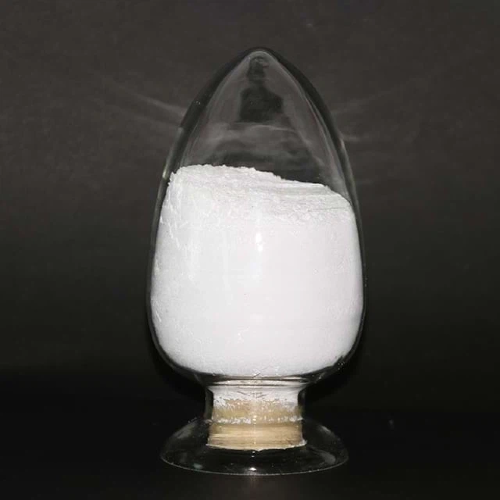
Zinc stearate is a chemical compound formed by the reaction of zinc with stearic acid, a naturally occurring fatty acid. Its chemical formula is Zn(C18H35O2)2, which reflects the zinc ion bonded to two stearate ions. The compound appears as a fine, white powder, often described as waxy in texture, and has unique properties that contribute to its effectiveness as an industrial additive.
Property |
Description |
Appearance |
Fine white powder |
Solubility |
Insoluble in water, soluble in non-polar organic solvents (e.g., benzene, chloroform, xylene) |
Melting Point |
Approximately 120–130°C |
Stability |
Stable under normal storage conditions; resistant to moisture, oxygen, and general chemical degradation |
Odor |
Odorless, neutral |
The combination of hydrophobicity, lubricating ability, and chemical stability makes Zinc Stearate suitable for a variety of industrial and consumer applications. Its fine particle size and low chemical reactivity allow it to blend easily into powders, polymers, and coatings without significantly altering the base material’s characteristics.
Zinc Stearate is valued for its multifunctional role in several industries. Its applications can be summarized as follows:
Plastics Industry: Used as a lubricant and mold release agent in PVC, polyethylene, polypropylene, and other thermoplastics. It reduces friction, prevents sticking, and improves surface finish during extrusion and molding processes.
Rubber Manufacturing: Enhances elasticity, improves filler dispersion, and prevents rubber sheets or molded parts from adhering to processing equipment.
Coatings and Paints: Serves as a flattening and anti-caking agent for powdered pigments, improves flow, and helps maintain uniformity in coatings.
Cosmetics: Functions as an anti-caking agent, absorbent, and texture enhancer in powders, blushes, eyeshadows, and some foundations.
Pharmaceuticals and Food Industry: Occasionally used as a release agent, excipient, or anti-caking agent in tablets and capsules, subject to strict regulatory guidelines.
Its versatility arises from the combination of chemical inertness, lubricating ability, and low toxicity, making it compatible with a wide range of materials and formulations.
In thermoplastic and thermoset polymers, Zinc Stearate acts as a lubricant and release agent. It reduces internal friction between polymer chains during processing, which improves flow characteristics, reduces processing pressure, and enhances surface smoothness of molded products. This function is particularly important in high-temperature extrusion and injection molding processes, where friction and heat can degrade the material or cause defects.
Benefits in plastics include:
Enhanced mold release, preventing sticking and reducing waste
Improved thermal stability during processing, helping to maintain polymer integrity
Reduced friction, resulting in smoother surfaces and higher-quality end products
In rubber compounding, Zinc Stearate plays multiple roles. Primarily, it serves as a lubricant that ensures smooth processing of rubber sheets or molded items. Additionally, it acts as an anti-sticking agent, preventing rubber from adhering to molds, presses, or conveyor surfaces. By improving filler dispersion, it also contributes to uniformity in the final product and helps maintain elasticity and flexibility, critical in industrial rubber applications.
Zinc Stearate is frequently incorporated into powdered coatings, paints, and inks. Its hydrophobic nature helps prevent moisture absorption and clumping, while its lubricating properties improve flow and application performance. The compound contributes to even pigment dispersion and a more uniform coating finish. Its ability to prevent settling and caking ensures consistency during storage and handling, making it a reliable additive in both industrial and commercial paint formulations.
In cosmetics, Zinc Stearate is primarily valued for anti-caking and absorptive properties. It ensures powders, eyeshadows, blushes, and other pressed makeup products maintain a smooth, even texture. Its fine particle size allows it to blend seamlessly into formulations without affecting color or finish. Additionally, it can absorb excess oils, contributing to a longer-lasting, non-greasy application, which is particularly beneficial in products intended for facial use.
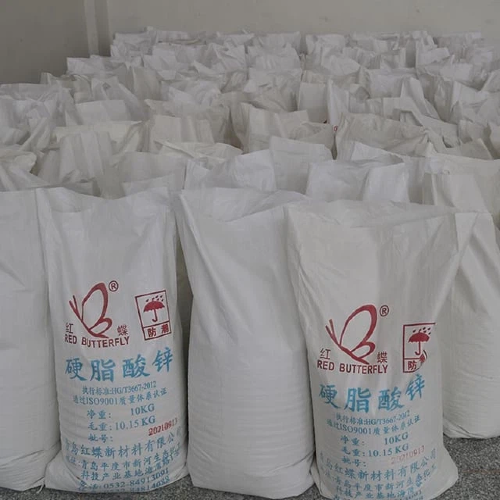
While Zinc Stearate is generally regarded as safe, understanding potential risks is critical, particularly in occupational or industrial settings.
Skin Contact: Zinc Stearate is generally non-irritating to the skin. However, prolonged contact with high concentrations of dust or powder may lead to mild irritation or dryness in sensitive individuals.
Inhalation: Inhaling fine Zinc Stearate particles can cause respiratory irritation. Occupational exposure should be minimized through proper ventilation and personal protective equipment (PPE). Long-term exposure to high dust levels may pose additional health risks, though studies indicate that toxicity is low.
Ingestion: Accidental ingestion in small amounts is considered non-toxic, but large doses can cause gastrointestinal discomfort. Zinc stearate is classified as having low acute toxicity.
Zinc Stearate is considered low risk for the environment due to its insolubility in water and slow degradation. While it is not highly bioaccumulative, industrial waste should still be managed appropriately to avoid soil or water accumulation. Its environmental safety is one of the reasons it is widely used in coatings, plastics, and consumer products.
Application |
Risk Level |
Notes |
Industrial processing (plastics/rubber) |
Medium |
Dust inhalation possible; PPE recommended; regular air monitoring advised |
Cosmetics |
Low |
Safe in topical applications under regulated concentrations; minimal irritation risk |
Pharmaceuticals |
Low |
Generally recognized as safe as an excipient; compliance with regulatory standards required |
Food contact (indirect) |
Very Low |
Limited use; recognized as safe in small quantities by FDA |
Zinc Stearate is regulated by international and regional standards to ensure safe handling and use:
FDA (U.S.): Classified as GRAS (Generally Recognized as Safe) for indirect food contact and pharmaceutical excipient applications.
EU REACH: Registered under REACH regulations and deemed safe under prescribed exposure limits.
OSHA (U.S.): Provides occupational exposure limits for dust, ensuring worker safety in industrial environments.
To ensure safety when handling Zinc Stearate:
Use personal protective equipment (PPE) such as masks, gloves, and goggles when handling powders or dusty forms.
Ensure proper ventilation in work areas to minimize inhalation exposure.
Store Zinc Stearate in sealed, dry containers, away from moisture, heat, and strong oxidizing agents.
Train personnel in safe handling procedures and emergency protocols in case of accidental release.
Store Zinc Stearate in cool, dry areas to prevent moisture absorption or caking.
Avoid creating airborne dust during handling to minimize inhalation risks.
Keep away from incompatible chemicals, particularly strong oxidizers, to prevent unintended reactions.
Use dust collection systems and proper ventilation in production areas.
Conduct regular monitoring of airborne dust levels.
Implement standard operating procedures for safe handling, transfer, and disposal.
Ensure compliance with cosmetic, pharmaceutical, or food regulations for maximum safety.
Limit concentrations according to regulatory standards to prevent any adverse effects.
Clearly label products containing Zinc Stearate if necessary, providing safety instructions for end-users.
Zinc Stearate is a versatile and widely used chemical additive, essential in industries such as plastics, rubber, coatings, cosmetics, and pharmaceuticals. When applied following proper safety standards and handling practices, it is considered safe for both industrial and consumer use. Its low toxicity, chemical stability, environmental compatibility, and multifunctionality make it a key material in modern manufacturing.
For those seeking high-quality Zinc Stearate or professional guidance on its applications and specifications, Qingdao Red Butterfly Precision Materials Co., Ltd. provides reliable solutions and expert support. Their team can assist with product selection, technical advice, and customized requirements, helping manufacturers and businesses make informed decisions. To learn more about their products and services, reaching out directly to the company is highly recommended.
Is zinc stearate toxic to humans?
Zinc Stearate is generally non-toxic. While dust inhalation or prolonged skin contact with high concentrations may cause minor irritation, the compound is safe under normal usage conditions.
Can zinc stearate be used in cosmetics safely?
Yes. Zinc Stearate is commonly used in powders, blushes, and foundations. Regulatory standards ensure it is safe for topical applications, with minimal risk of skin irritation.
What precautions should be taken when handling zinc stearate?
Use PPE including gloves, masks, and goggles. Avoid inhaling dust, maintain proper ventilation, and store in sealed, dry containers. Follow all safety and regulatory guidelines.
Is zinc stearate environmentally friendly?
Zinc Stearate is considered low-risk for the environment. It is insoluble in water, has low bioaccumulation potential, and degrades slowly. Proper industrial waste management is still recommended.
Can zinc stearate cause allergies or skin irritation?
Rarely. Most individuals tolerate Zinc Stearate without issues, but sensitive individuals may experience mild irritation with prolonged or repeated exposure.


