Understanding Calcium Stearate
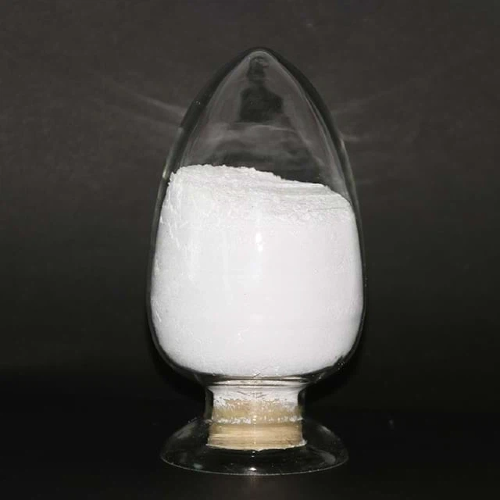
Calcium Stearate is a white, waxy powder widely used across multiple industries as a lubricant, stabilizer, and anti-caking agent. Chemically, it is a metallic salt of stearic acid, with the formula C36H70CaO4, and exhibits excellent thermal stability and hydrophobic properties. Its versatility has made it indispensable in plastics, rubber, construction materials, cosmetics, and food products.
The safety of chemical additives is a growing concern for both manufacturers and consumers. Calcium Stearate, despite its widespread use, is often questioned regarding its potential toxicity or long-term health impacts. Understanding the chemical composition, industrial applications, and exposure levels is crucial for evaluating whether this compound is harmful. In this guide, we provide a detailed analysis of Calcium Stearate’s chemical and physical properties, regulatory compliance, safety profile, handling guidelines, and health considerations, helping readers make informed decisions about its use.
Chemical Properties of Calcium Stearate
Composition and Structure
Calcium Stearate is a metallic stearate composed of calcium ions and long-chain fatty acids derived from stearic acid. Its structure consists of hydrophobic carbon chains linked to calcium cations, which provide thermal resistance, lubricating properties, and chemical inertness. These characteristics make it ideal for stabilizing powders, plastics, and rubbers without reacting with other substances during processing.
Chemical formula: C36H70CaO4
Molecular weight: 622.94 g/mol
pH (1% aqueous dispersion): 9–10
Appearance: White, waxy powder
Key functional property: Hydrophobic, chemically stable, and thermally resistant
The hydrophobic nature of Calcium Stearate allows it to repel moisture, prevent caking in powders, and maintain stability under high-temperature conditions. Additionally, its chemical inertness ensures that it does not participate in unwanted reactions with acids, bases, or solvents, which is crucial in both industrial and consumer applications.
Solubility and Stability
Calcium Stearate exhibits specific solubility and stability characteristics that are important for safety and performance:
Water Solubility: Insoluble in water, which prevents it from dissolving and reacting under normal environmental or industrial conditions.
Solvent Solubility: Soluble in hot ethanol, acetone, and some non-polar solvents, allowing it to be processed or purified when necessary.
Thermal Stability: Maintains integrity at temperatures up to 165°C, which is essential for high-temperature plastic extrusion, rubber molding, and other industrial processes.
Chemical Stability: Resistant to hydrolysis, oxidation, and acid or alkali attack, ensuring that its properties remain consistent even under challenging conditions.
These properties collectively explain why Calcium Stearate is considered safe for multiple applications, as it does not easily break down into harmful substances. Its stability ensures reliable performance over long-term storage and exposure to varying environmental conditions.
Table 1: Key Chemical and Physical Properties of Calcium Stearate
Property | Value/Description |
Chemical Formula | C36H70CaO4 |
Molecular Weight | 622.94 g/mol |
pH (1% dispersion) | 9–10 |
Appearance | White, waxy powder |
Water Solubility | Insoluble |
Thermal Stability | Up to 165°C |
Solvent Solubility | Hot ethanol, acetone |
Structure | Long-chain fatty acids + Ca⊃2;⁺ |
Applications and Exposure Levels
Industrial Applications
Calcium Stearate is widely used in industrial processes because of its lubricating, stabilizing, and anti-caking properties. Its ability to reduce friction and prevent sticking enhances production efficiency and product quality:
Plastics: Improves melt flow during extrusion and molding, prevents plastic from sticking to equipment, and ensures uniform surface finish.
Rubber: Reduces friction during mixing and shaping, improves elasticity and surface smoothness, and contributes to durability.
Construction Materials: Functions as a water repellent and anti-caking agent in cement, plaster, and gypsum powders, maintaining flowability and workability.
Exposure in industrial settings is usually through dust inhalation or skin contact, both of which can be minimized with proper protective measures and ventilation.
Food and Cosmetic Applications
Calcium Stearate is approved for use in food and cosmetic products because of its low toxicity and chemical stability:
Food Industry: Used as an anti-caking agent, lubricant, and flow enhancer in powdered foods such as salt, powdered milk, and spices. Its hydrophobic nature prevents clumping and enhances storage stability and usability.
Cosmetics: Acts as a stabilizer and anti-caking additive in powders, deodorants, and creams, ensuring smooth texture, uniform particle distribution, and long-term product stability.
Typical exposure levels in food and cosmetics are extremely low, and regulatory bodies consider such uses safe for daily consumption and topical application.
Safety Evaluation of Calcium Stearate
Toxicological Studies
Several toxicological studies have examined the safety of Calcium Stearate:
Oral Toxicity: Studies confirm that ingestion of food-grade Calcium Stearate in small amounts does not produce adverse effects. It is recognized as Generally Recognized As Safe (GRAS) by regulatory authorities.
Inhalation: Dust may cause temporary respiratory irritation, particularly in industrial environments, but these effects are reversible and preventable with proper precautions.
Skin Contact: Generally non-irritating; repeated prolonged contact may cause mild dryness but does not lead to significant harm.
These studies collectively demonstrate that Calcium Stearate is low-risk for both industrial workers and consumers when used appropriately.
Environmental Impact
Calcium Stearate is environmentally friendly and biodegradable, which is important for sustainable manufacturing:
Decomposes naturally in soil and water without producing toxic by-products.
Exhibits low ecological toxicity, minimizing risks to plants, animals, and microorganisms.
Supports green manufacturing practices by reducing the environmental footprint of industrial additives.
This makes it a preferred choice for eco-conscious industries that prioritize both performance and sustainability.
Potential Health Risks and Misconceptions
Common Misunderstandings
Some misconceptions contribute to confusion about the safety of Calcium Stearate:
All Metallic Stearates Are Toxic: Not all metallic salts are harmful. Calcium Stearate is chemically inert and safe at regulated usage levels.
Industrial vs. Food-Grade Confusion: Industrial-grade products may contain impurities and should not be ingested, whereas food and cosmetic grades are purified and tested for safety.
Rare Side Effects
Mild respiratory irritation from dust inhalation in industrial settings
Minor skin dryness with prolonged contact
No evidence of carcinogenicity, reproductive toxicity, or long-term health risks at regulated levels
Understanding these distinctions ensures safe usage across industrial and consumer applications.
Guidelines for Safe Handling and Use
Proper handling of Calcium Stearate is essential to ensure worker safety, product integrity, and consistent performance in industrial applications.
Personal Protective Equipment (PPE): Workers should always wear gloves, masks, and protective eyewear when handling the powder to prevent skin contact, eye irritation, or inhalation of fine particles.
Dust Control: Implement ventilation systems, dust collectors, and local exhausts to minimize airborne particles. Maintaining clean work areas and reducing dust accumulation helps prevent respiratory issues and ensures a safer environment.
Storage: Store Calcium Stearate in cool, dry, and well-ventilated areas. Use airtight, moisture-resistant containers to prevent clumping and maintain product quality over time. Avoid exposure to high humidity or extreme temperatures, which may affect stability.
Environmental Safety: Dispose of excess or waste material responsibly. Do not release large quantities into soil or water systems. Follow proper industrial waste management protocols to minimize environmental impact.
Adhering to these guidelines ensures that Calcium Stearate remains safe, effective, and reliable, while reducing potential exposure risks for workers and the environment.
Choosing the Right Grade for Safety
Selecting the appropriate grade ensures safety and compliance:
Grade | Purity (%) | Typical Applications | Safety Considerations |
Industrial Grade | 90–95 | Plastics, rubber, construction | Handle with PPE; not for ingestion |
Food Grade | 98+ | Salt, powdered milk, spices | Safe for consumption within limits |
Pharmaceutical Grade | 99+ | Tablets, capsules, cosmetics | Tested for human use; meets regulatory standards |
Choosing the right grade minimizes health risks and ensures compliance with regulatory standards.
Conclusion
Calcium Stearate is widely recognized as safe when used according to established regulatory guidelines. Its low toxicity, chemical inertness, and excellent thermal stability make it an essential additive across a broad spectrum of industrial and consumer applications, including food, cosmetics, plastics, and rubber. While industrial handling requires appropriate precautions to avoid dust inhalation or prolonged exposure, food-grade and cosmetic-grade products present minimal risk, ensuring safe use in everyday applications.
For businesses and manufacturers seeking high-quality Calcium Stearate or expert guidance on selecting the right grade for specific applications, Qingdao Red Butterfly Precision Materials Co., Ltd. offers a trusted solution. With extensive experience in chemical additives, the company provides reliable products, technical support, and tailored solutions to meet diverse manufacturing needs.
To explore more about their Calcium Stearate offerings or discuss your unique requirements, interested readers are encouraged to reach out directly to Qingdao Red Butterfly Precision Materials Co., Ltd. Partnering with them ensures access to premium materials, industry expertise, and solutions that enhance production efficiency, product quality, and long-term stability.
FAQ about Calcium Stearate Safety
Q1: Is Calcium Stearate safe to consume in food?
A1: Yes, food-grade Calcium Stearate is approved by regulatory agencies and is considered safe at regulated levels.
Q2: Can calcium stearate cause allergic reactions?
A2: Rarely; most people tolerate it well. Mild skin irritation may occur in industrial settings.
Q3: Is inhaling Calcium Stearate dust harmful?
A3: Prolonged inhalation may cause minor respiratory irritation; PPE and ventilation prevent this.
Q4: How should Calcium Stearate be stored safely?
A4: Store in cool, dry, ventilated areas in airtight containers away from moisture and incompatible chemicals.
Q5: What is the difference between industrial and food-grade safety?
A5: Industrial-grade may contain impurities and is not for ingestion; food-grade is purified, tested, and safe for consumption or topical use.

 English
  العربية
  Français
  Русский
  Español
  Português
  Deutsch
  italiano
  日本語
日本語  한국어
한국어  Nederlands
  Tiếng Việt
  ไทย
ไทย  Polski
  Türkçe
  አማርኛ
አማርኛ  ພາສາລາວ
  ភាសាខ្មែរ
  Bahasa Melayu
  ဗမာစာ
ဗမာစာ  தமிழ்
தமிழ்  Filipino
  Bahasa Indonesia
  magyar
  Română
  Čeština
  Монгол
  қазақ
қазақ  Српски
  हिन्दी
  فارسی
فارسی  Kiswahili
  Slovenčina
  Slovenščina
  Norsk
Norsk  Svenska
  українська
  Ελληνικά
  Suomi
Suomi  Հայերեն
  עברית
עברית  Latine
  Dansk
Dansk  اردو
اردو  Shqip
Shqip  বাংলা
বাংলা  Hrvatski
  Afrikaans
  Gaeilge
  Eesti keel
  Māori
Māori 


