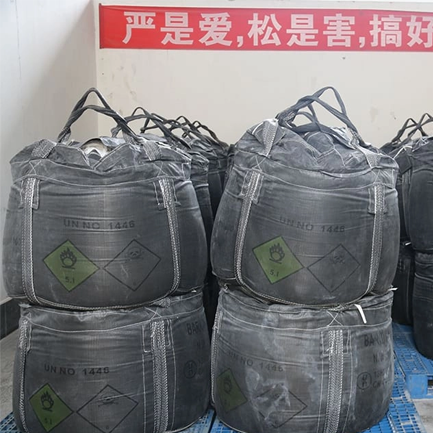
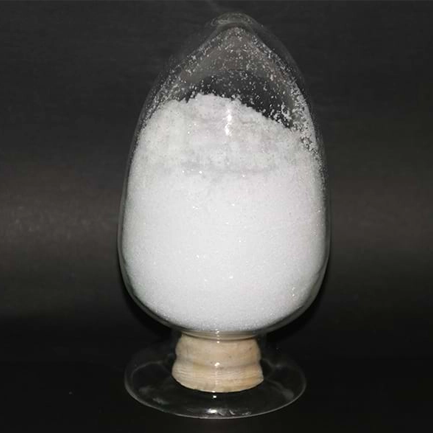
Barium nitrate, chemically represented as Ba(NO₃)₂, is a widely used inorganic compound that plays a critical role in various industrial, laboratory, and pyrotechnic applications. This colorless cubic crystal is not only valued for its chemical properties but also requires careful handling due to its toxic and oxidizing nature. Slightly hygroscopic, barium nitrate can absorb moisture from the environment, which can influence its reactivity and stability.
Understanding the toxicity of barium nitrate is essential for anyone working with this compound. Whether in the manufacturing of optical glass, production of fireworks, laboratory synthesis, or electronic materials, proper awareness of its potential hazards ensures safe handling and prevents accidents. Industries that neglect its toxic nature risk worker exposure, environmental contamination, and regulatory non-compliance, all of which can have serious consequences.
Chemical and Physical Properties Related to Toxicity
Barium nitrate (Ba(NO₃)₂) possesses several distinctive chemical and physical characteristics that are directly linked to its toxicological profile and overall handling risks. One of its most significant properties is its strong oxidizing ability. As a powerful oxidizer, barium nitrate can accelerate the combustion of other substances and may react violently when it comes into contact with combustible materials, sulfur, phosphorus, or various organic compounds. This high reactivity is what makes it so valuable in pyrotechnic compositions, enabling the creation of vibrant green flames in fireworks, yet it also underscores the potential hazards if the compound is mishandled or improperly stored.
From a toxicity perspective, barium nitrate is hazardous to humans, animals, and the environment. Exposure to barium ions (Ba⊃2;⁺) can disrupt critical biological processes, especially within the cardiovascular and nervous systems. Ingested or inhaled barium can interfere with nerve signaling and muscle contraction, potentially leading to severe physiological effects. Furthermore, elevated concentrations of barium compounds in aquatic ecosystems can be toxic to fish and other aquatic organisms, highlighting the environmental considerations associated with its use.
Another important property is its slightly hygroscopic nature, which means that barium nitrate readily absorbs moisture from the surrounding environment. This moisture absorption can influence the compound’s solubility, chemical reactivity, and stability, making careful storage and environmental control crucial to prevent unintended chemical reactions or degradation. Recognizing these chemical and physical properties is fundamental for safely incorporating barium nitrate into industrial operations, laboratory experiments, and pyrotechnic formulations.
Mechanism of Toxicity
The primary toxic effects of barium nitrate are mediated through barium ions (Ba⊃2;⁺). Once inside the body, these ions interfere with normal biological functions by disrupting the balance of potassium and calcium, which are essential for muscle contraction and nerve transmission.
Routes of Exposure:
Ingestion: Accidental ingestion of barium nitrate can occur in laboratories, industrial facilities, or during improper handling. Even relatively small quantities can be dangerous if safety measures are not strictly followed. Ingested barium can affect the gastrointestinal system and may result in severe systemic toxicity.
Inhalation: Dust or fine particles from barium nitrate can be inhaled, potentially irritating the respiratory tract and entering the bloodstream. Chronic inhalation may lead to long-term respiratory and systemic effects.
Skin Contact: Direct skin contact with barium nitrate can cause localized irritation. In cases of prolonged or repeated exposure, barium ions may be absorbed through the skin, contributing to systemic toxicity.
Symptoms of Exposure:
Acute exposure may lead to nausea, vomiting, diarrhea, abdominal pain, muscle weakness, and irregular heartbeat. In severe cases, cardiac arrhythmias or respiratory paralysis can occur.
Chronic exposure, often resulting from repeated low-level contact over time, can impair kidney function, nervous system performance, and cardiovascular stability. Long-term exposure may also result in cumulative health effects that are difficult to reverse.
Toxic Dose Levels and Safety Thresholds:
The toxic dose of barium nitrate varies depending on the route of exposure and individual susceptibility. Regulatory agencies such as OSHA and NIOSH have established occupational exposure limits to minimize the risk of acute or chronic poisoning. Adhering to these limits, along with proper engineering controls and monitoring, is critical in all settings where barium nitrate is used.
Industrial and Laboratory Safety Considerations
Due to its combined toxicity and oxidizing potential, barium nitrate requires stringent safety measures in all phases of storage, handling, and transport. Following best practices protects workers, prevents accidents, and maintains the integrity of industrial or laboratory processes.
Safe Storage Practices:
Barium nitrate should be stored in cool, dry, and well-ventilated areas, away from sources of heat, flames, or direct sunlight.
Sealed containers are essential to prevent moisture absorption, which can affect solubility, stability, and chemical reactivity.
Storage areas must be free of combustible materials, sulfur, phosphorus, and other reactive substances to avoid unintended reactions.
Personal Protective Equipment (PPE):
Protective gloves, safety goggles, and long-sleeved clothing are recommended when handling barium nitrate.
In environments where dust or fine particles may be generated, respiratory protection is essential to prevent inhalation and minimize systemic exposure.
Safe Handling Procedures:
When dissolving or mixing barium nitrate, operations should be conducted in controlled environments such as fume hoods with proper ventilation.
Accurate measuring instruments and careful handling techniques reduce exposure risks and ensure precise formulations for industrial and laboratory use.
Spill Management and Disposal:
In case of accidental spills, avoid dry sweeping, which can disperse dust and increase inhalation risk. Instead, contain the spill using inert absorbent materials, neutralize safely if needed, and clean up with water while wearing appropriate PPE.
Disposal of barium nitrate and barium-containing waste must follow local and international environmental regulations to prevent contamination of soil, water, or air.
Regulatory and Compliance Guidelines
Industries and laboratories using barium nitrate must comply with strict regulations to protect personnel and the environment.
Occupational Exposure Limits:
OSHA, NIOSH, and relevant local authorities have set maximum permissible exposure limits for barium compounds. Continuous monitoring of airborne concentrations and proper engineering controls are essential to remain within safe limits.
Transportation and Labeling:
Barium nitrate is classified as a hazardous material. Transportation requires proper labeling, documentation, and adherence to regulations for hazardous chemicals.
Environmental Regulations:
Facilities must implement containment and disposal protocols to prevent environmental contamination.
Accidental releases into water systems or soil can have serious ecological impacts; thus, environmental risk management is an essential component of barium nitrate use.
Applications of Barium Nitrate Despite Its Toxicity
Despite its inherent hazards, barium nitrate remains highly valuable due to its chemical properties, solubility, and strong oxidizing capabilities. When handled with care, it can be safely integrated into numerous applications.
Fireworks and Signal Devices:
Barium nitrate is a critical component in pyrotechnics, producing the vivid green flame characteristic of barium-based fireworks.
Its solubility and chemical consistency ensure even mixing, predictable combustion, and safe performance during displays.
Optical Glass and Liquid Crystal Screens:
In optical glass manufacturing and LCD production, barium nitrate is used to achieve uniform distribution of barium ions. This ensures consistent refractive indices, optical clarity, and material strength, which are essential for high-performance electronics.
Laboratory Reagents:
Soluble, high-purity barium nitrate is indispensable for analytical chemistry, synthetic reactions, and research applications. Its predictable behavior ensures accuracy, reproducibility, and reliability in experiments.
Electronics and Ceramics:
Barium nitrate is incorporated in ceramics and barium-containing electronic materials under controlled conditions. Proper handling ensures consistent reactions, stable material properties, and high-quality end products.
Mitigating Risks While Using Barium Nitrate
To reduce exposure and hazards, industries and laboratories should implement comprehensive risk mitigation strategies:
High-Purity Materials:
Using high-purity barium nitrate reduces impurities that could cause unpredictable reactions, improving process consistency and safety.
Training and Standard Operating Procedures (SOPs):
Personnel should receive thorough training on handling, storage, emergency response, and disposal. SOPs ensure consistent safety practices and regulatory compliance.
Emergency Response Preparation:
Facilities must have established procedures for accidental spills, exposure incidents, and combustion events.
First-aid measures and decontamination protocols should be readily available and communicated to all personnel.
Frequently Asked Questions (FAQ)
Q1: How toxic is barium nitrate to humans?
Barium nitrate is highly toxic if ingested, inhaled, or absorbed through the skin. Proper safety measures and handling reduce risks significantly.
Q2: What safety precautions should be taken when handling it?
Use PPE, store in cool and ventilated areas, avoid contact with combustible or reactive materials, and follow SOPs.
Q3: Can it be used safely in fireworks and industrial applications?
Yes, with controlled formulations, proper training, and adherence to safety regulations, barium nitrate can be safely utilized.
Q4: What should be done in case of accidental exposure?
Seek immediate medical attention, follow decontamination procedures, and isolate the affected area to prevent further contamination.
Q5: Are there safer alternatives for certain applications?
In some contexts, other barium compounds or oxidizers may be used, but barium nitrate’s properties are often unmatched for specific pyrotechnic or industrial requirements.
Conclusion
Understanding the toxic nature of barium nitrate is essential for safe, efficient, and responsible use across multiple industries. While its high solubility and strong oxidizing properties make it a valuable compound in fireworks, optical glass, laboratory synthesis, and electronics, proper handling, storage, and adherence to safety protocols are critical to prevent accidents and health hazards.
For companies and researchers seeking high-purity, reliable, and safely managed barium nitrate, Qingdao Red Butterfly Precision Materials Co., Ltd. offers premium solutions designed to meet rigorous industrial and laboratory standards. Their products ensure predictable solubility, consistent performance, and enhanced safety. By partnering with Red Butterfly, organizations can optimize processes, maintain product quality, and achieve superior results across a wide range of applications involving barium nitrate.

 English
  العربية
  Français
  Русский
  Español
  Português
  Deutsch
  italiano
  日本語
日本語  한국어
한국어  Nederlands
  Tiếng Việt
  ไทย
ไทย  Polski
  Türkçe
  አማርኛ
አማርኛ  ພາສາລາວ
  ភាសាខ្មែរ
  Bahasa Melayu
  ဗမာစာ
ဗမာစာ  தமிழ்
தமிழ்  Filipino
  Bahasa Indonesia
  magyar
  Română
  Čeština
  Монгол
  қазақ
қазақ  Српски
  हिन्दी
  فارسی
فارسی  Kiswahili
  Slovenčina
  Slovenščina
  Norsk
Norsk  Svenska
  українська
  Ελληνικά
  Suomi
Suomi  Հայերեն
  עברית
עברית  Latine
  Dansk
Dansk  اردو
اردو  Shqip
Shqip  বাংলা
বাংলা  Hrvatski
  Afrikaans
  Gaeilge
  Eesti keel
  Māori
Māori 


