Introduction
Barium Nitrate is an inorganic compound widely recognized for its oxidizing properties, particularly in pyrotechnics, chemical laboratories, and materials research. Among its variations, acidified Barium Nitrate plays a crucial role in analytical chemistry and specific laboratory applications where controlled acidity ensures the stability and precision of reactions. Preparing acidified Barium Nitrate is not simply about mixing chemicals—it requires careful measurement, attention to safety, and a structured methodology that ensures reproducibility. This guide explores the step-by-step process of preparing acidified Barium Nitrate, essential precautions, and practical insights to help professionals and students handle this compound safely and effectively.
Understanding Barium Nitrate and Its Applications
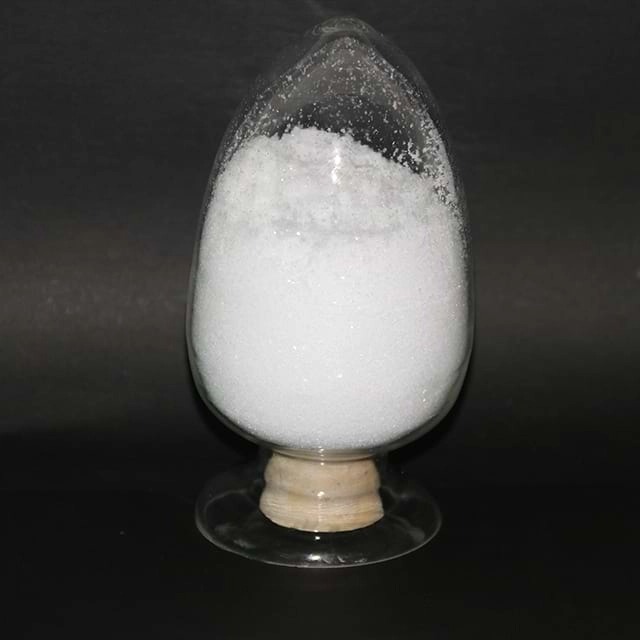
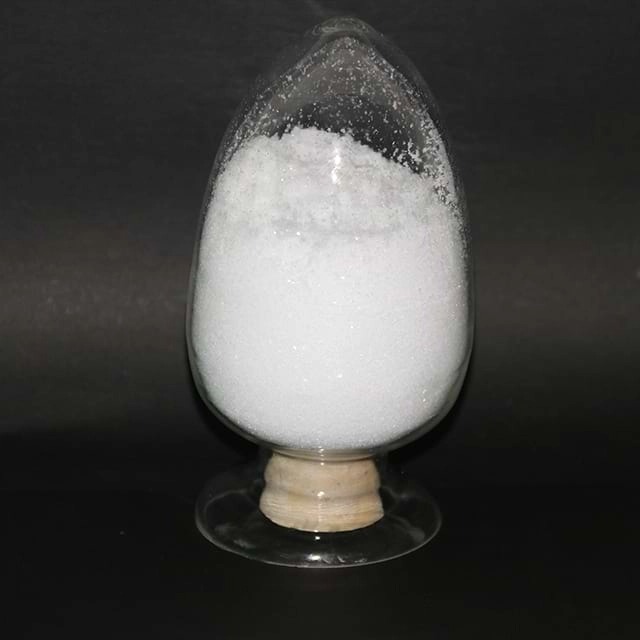
Barium Nitrate (Ba(NO₃)₂) is a colorless crystalline solid, soluble in water, and functions as a powerful oxidizer. Its use extends beyond laboratory studies to fireworks, ceramic glazing, and military-grade pyrotechnics. In the context of laboratory analysis, acidified Barium Nitrate serves as a reagent to identify sulfates and other anions, as acidity enhances the clarity of precipitation reactions. The acidification process prevents interference from unwanted carbonates or hydroxides, making the results more reliable. Thus, understanding the chemical behavior of Barium Nitrate is the foundation before proceeding with its acidified form.
Why Acidification of Barium Nitrate Is Necessary
Acidifying Barium Nitrate transforms its practical utility in qualitative analysis. Without acidification, dissolved carbonates or hydroxides can precipitate alongside sulfates, leading to ambiguous outcomes. Adding a controlled amount of nitric acid ensures that interfering ions are neutralized, while nitrate ions from the acid do not complicate the results since they are common with the Barium Nitrate base. This strategic acidification step enhances accuracy, making it indispensable in sulfate determination tests. In short, acidification is not merely a supplementary adjustment but a critical preparation stage that ensures Barium Nitrate delivers precise analytical value.
Essential Chemicals and Equipment for Preparation
To prepare acidified Barium Nitrate correctly, both chemical purity and laboratory tools must be carefully considered. The following table outlines the essentials:
| Material / Equipment | Purpose in Preparation | Notes on Selection |
| Barium Nitrate (Ba(NO₃)₂) | Base compound for acidification | Prefer analytical-grade to avoid impurities |
| Nitric Acid (HNO₃) | Acidifying agent | Use dilute nitric acid (1–2 M) for safety |
| Distilled Water | Solvent to dissolve Barium Nitrate | Prevents contamination from ions in tap water |
| Beaker (100–250 mL) | Solution preparation | Use borosilicate glass for heat/acid resistance |
| Pipette / Burette | Controlled addition of acid | Ensures precision in titration-like adjustments |
| Stirring Rod or Magnetic Stirrer | Ensures homogeneity of solution | Reduces uneven concentration in solution |
| Safety Gear (Gloves, Goggles, Lab Coat) | Protects from corrosive acid and oxidizer | Non-negotiable in all steps |
Equipping the workspace with these materials ensures accuracy and maintains laboratory safety standards.
Step-by-Step Guide: How to Prepare Acidified Barium Nitrate
Creating acidified Barium Nitrate requires precise execution. Below is a structured methodology:
Dissolve Barium Nitrate: Weigh the desired quantity of Barium Nitrate crystals (e.g., 5 g) and dissolve in 50 mL of distilled water in a clean beaker. Stir until fully dissolved.
Prepare Dilute Nitric Acid: If concentrated nitric acid is used, carefully dilute it with distilled water to obtain approximately 1–2 M solution. Always add acid to water, never the reverse.
Acidification Process: Using a pipette or burette, slowly add dilute nitric acid to the Barium Nitrate solution while stirring. Continue until the solution reaches the desired acidic pH, typically around pH 2–3.
Check Homogeneity: Stir thoroughly with a magnetic stirrer to ensure uniform distribution of ions.
Label and Store: Transfer the acidified Barium Nitrate solution into a labeled, acid-resistant container, noting the concentration and date of preparation.
This process emphasizes gradual addition and constant monitoring, both of which ensure controlled acidification.
Safety Considerations When Working with Barium Nitrate
Safety is paramount due to the dual risks of corrosive acids and the oxidizing nature of Barium Nitrate. Barium compounds are toxic, capable of causing muscle weakness, respiratory issues, or even cardiac problems if ingested or improperly handled. Nitric acid introduces hazards of chemical burns and vapor inhalation. Key safety practices include:
Always wear protective gloves, goggles, and a lab coat.
Work under a fume hood to minimize inhalation risks.
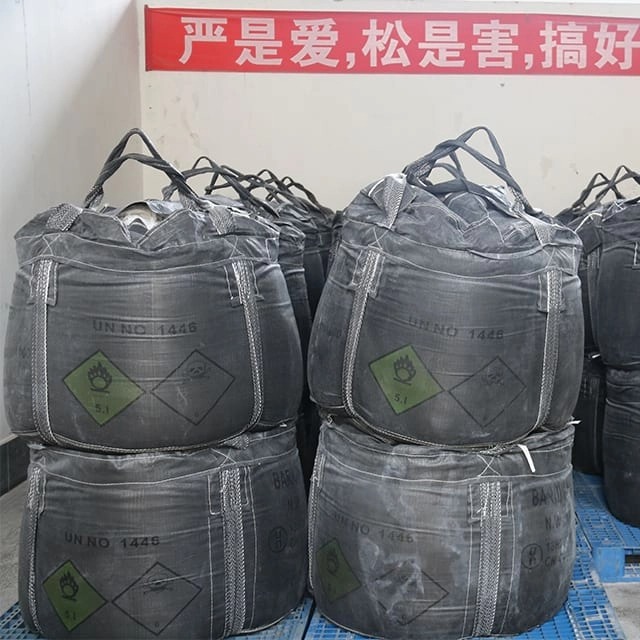
Store Barium Nitrate separately from combustible materials, as it may accelerate fires.
Neutralize acid spills with sodium bicarbonate, and dispose of residues following hazardous waste protocols.
By embedding these practices into the workflow, laboratories reduce risk while ensuring compliance with chemical safety standards.
Common Errors and How to Avoid Them
Even experienced chemists can make mistakes during preparation. The most frequent issues include:
| Mistake | Consequence | Prevention Strategy |
| Adding water to concentrated nitric acid | Violent exothermic reaction, splattering acid | Always add acid to water slowly |
| Over-acidification | Alters the behavior of Barium Nitrate in tests | Monitor pH with strips or meters |
| Using tap water | Introduces carbonates, sulfates, or chlorides | Use distilled or deionized water only |
| Insufficient mixing | Uneven acidity across solution | Use a magnetic stirrer for consistent blending |
Avoiding these errors preserves the integrity of the acidified solution and ensures reproducible outcomes.
Laboratory and Industrial Applications of Acidified Barium Nitrate
Once prepared, acidified Barium Nitrate finds use in several specialized areas of materials science and industrial chemistry:
Analytical Chemistry:
It is commonly used in sulfate determination tests, where the acidified reagent ensures accurate precipitation of barium sulfate (BaSO₄) without interference from carbonates or hydroxides.
Optical Glass Manufacturing:
In the production of optical glass, controlled incorporation of Barium Nitrate enhances refractive index, brightness, and optical clarity. The acidified form provides a more stable ion source, reducing unwanted reactions that can cause turbidity or streaking in the melt. This is particularly important for high-precision optical components such as camera lenses, fiber optics, and scientific-grade prisms.
Glass Substrate Coatings:
Acidified Barium Nitrate solutions are employed in glass substrate preparation and coating processes. The acidic medium allows for uniform deposition and better adhesion of barium-based compounds on glass surfaces, improving durability, transparency, and electrical resistance in advanced display panels and solar modules.
Educational Demonstrations and Research:
It is used in teaching laboratories to demonstrate precipitation and solubility equilibria, providing visually clear examples of ionic reactions under acidic conditions.
By integrating Barium Nitrate into optical glass and glass substrate processes, industries benefit from improved optical quality, chemical stability, and enhanced light transmission performance—features critical for both scientific and commercial optics.
Storage and Stability of Acidified Barium Nitrate
Prepared solutions of acidified Barium Nitrate should be stored in sealed, acid-resistant containers such as polyethylene or borosilicate bottles. Direct exposure to light and heat can alter stability, while prolonged storage may reduce accuracy due to evaporation or concentration drift. For best results, prepare small quantities as needed and discard solutions that exceed a few weeks of storage. Labeling the container with preparation date, concentration, and safety warnings is essential for compliance and laboratory discipline.
Conclusion
Preparing acidified Barium Nitrate is a deliberate process that combines chemical accuracy with strict adherence to safety standards. From understanding why acidification matters, to gathering the right materials, to executing precise preparation steps, every stage contributes to producing a reliable laboratory reagent. Acidified Barium Nitrate remains indispensable in sulfate analysis and related chemical tests, and mastering its preparation ensures both accuracy and safety in laboratory environments.
FAQ
1: Why is nitric acid used instead of other acids to acidify Barium Nitrate?
Nitric acid is chosen because nitrate ions are already part of Barium Nitrate, so they do not introduce foreign ions that could interfere with the analysis.
2: Can hydrochloric acid be used to acidify Barium Nitrate?
No. Hydrochloric acid introduces chloride ions, which can react with barium to form insoluble barium chloride, disrupting the intended reaction.
3: How long can acidified Barium Nitrate be stored?
It is best used within 2–4 weeks under proper storage conditions. Longer storage may lead to concentration changes or contamination.
4: Is Barium Nitrate toxic?
Yes. Barium compounds are toxic if ingested or inhaled. Strict laboratory safety practices are mandatory.
5: What concentration of nitric acid is recommended for acidification?
Dilute nitric acid, typically 1–2 M, is sufficient to maintain solution acidity without causing excessive reactivity.

 English
  العربية
  Français
  Русский
  Español
  Português
  Deutsch
  italiano
  日本語
日本語  한국어
한국어  Nederlands
  Tiếng Việt
  ไทย
ไทย  Polski
  Türkçe
  አማርኛ
አማርኛ  ພາສາລາວ
  ភាសាខ្មែរ
  Bahasa Melayu
  ဗမာစာ
ဗမာစာ  தமிழ்
தமிழ்  Filipino
  Bahasa Indonesia
  magyar
  Română
  Čeština
  Монгол
  қазақ
қазақ  Српски
  हिन्दी
  فارسی
فارسی  Kiswahili
  Slovenčina
  Slovenščina
  Norsk
Norsk  Svenska
  українська
  Ελληνικά
  Suomi
Suomi  Հայերեն
  עברית
עברית  Latine
  Dansk
Dansk  اردو
اردو  Shqip
Shqip  বাংলা
বাংলা  Hrvatski
  Afrikaans
  Gaeilge
  Eesti keel
  Māori
Māori 


