Introduction
Even trace impurities can change chemical results and product performance. High Purity Barium Chloride is designed for environments where contamination control is critical. It is widely used in laboratories, metallurgy, advanced manufacturing, and electronic materials. Its purity level directly affects reaction accuracy, consistency, and long-term reliability. In this article, you will explore the chemical properties of High Purity Barium Chloride, understand why purity matters, and learn how it is applied across precision-driven industrial and analytical processes.
What Makes High Purity Barium Chloride Different
Definition and Purity Thresholds of High Purity Barium Chloride
High Purity Barium Chloride typically refers to material with purity levels from 99.9% up to 99.999% on a trace metals basis. These grades are designed to control unwanted elements such as calcium, strontium, iron, or heavy metals. Even small amounts of these impurities can interfere with reactions or distort analytical results. High purity grades reduce background interference and improve repeatability. This makes them essential for laboratories, electronics manufacturing, and high-precision industrial processes where consistent chemistry is required.
Chemical Identity and Composition
To fully understand the performance of High Purity Barium Chloride, it is essential to examine its chemical form, ionic composition, and key technical parameters. Differences between the anhydrous and dihydrate forms directly influence solubility behavior, stability, and application suitability in laboratory and industrial systems.
| Category | Technical Description | Key Parameters / Data | Practical Application | Usage Notes |
| Chemical Name | High Purity Barium Chloride | — | Inorganic barium salt, primary barium source | Intended for professional and industrial use |
| Chemical Formula (Anhydrous) | BaCl₂ | Molecular weight: 208.23 g/mol | Suitable for moisture-sensitive processes | Highly hygroscopic, requires sealed storage |
| Chemical Formula (Dihydrate) | BaCl₂·2H₂O | Molecular weight: 244.26 g/mol | Common form for laboratory and industrial use | Gradual water loss at elevated temperatures |
| Barium Ion Species | Ba⊃2;⁺ | Charge: +2 | Drives precipitation and ionic reactions | Reacts readily with sulfate ions |
| Chloride Ion Species | Cl⁻ | Charge: −1 | Maintains electrical neutrality and solubility | Generally chemically inert in reactions |
| Purity Grade | High Purity / Trace Metals Basis | 99.9%–99.999% | Ensures high reaction selectivity | Purity verified via COA |
| Controlled Impurities | Ca, Sr, Fe, Pb, others | Typically ≤1–10 ppm (grade dependent) | Prevents co-precipitation and signal interference | Critical for analytical accuracy |
| Water Solubility (25 °C) | Dihydrate form | ~37 g / 100 g H₂O | Rapid preparation of standard solutions | Use deionized or distilled water |
| Dissociation Behavior | Complete ionic dissociation | Strong electrolyte | Predictable solution chemistry | Ideal for quantitative analysis |
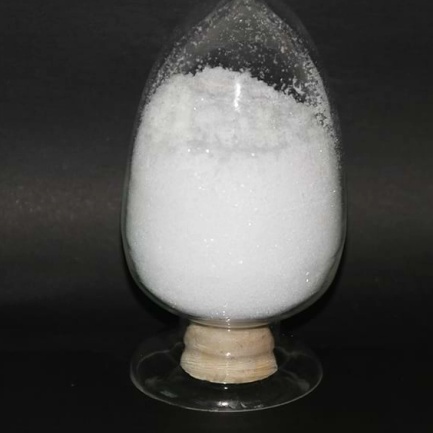
| Physical Appearance | White crystalline solid or powder | — | Easy visual identification | Avoid moisture exposure |
| Application Alignment | Analytical, materials, metallurgy | — | Multi-industry compatibility | Form selection matters |
| Technical Documentation | COA, SDS | Batch traceability | Supports compliance and audits | Required for B2B sourcing |
Tip:For most analytical and routine industrial applications, the dihydrate form offers better handling stability. In moisture-critical environments, high-purity anhydrous BaCl₂ should be selected and stored under controlled dry conditions.
High Purity vs Standard Barium Chloride Grades
Standard or technical grades may meet basic industrial needs, but they often contain higher impurity levels. These impurities can cause side reactions or inconsistent performance. High Purity Barium Chloride offers tighter specifications and better batch consistency. This difference becomes clear in precision environments, such as sulfate analysis or materials synthesis. Users select high purity grades to improve confidence in results and reduce variability between batches. The upgrade often leads to better control and long-term reliability.
Chemical Properties of High Purity Barium Chloride
Solubility and Ionic Reactivity
High Purity Barium Chloride shows high solubility in water and rapid ionic dissociation. Once dissolved, it releases Ba⊃2;⁺ and Cl⁻ ions quickly and evenly. This behavior supports controlled precipitation reactions, especially with sulfate ions. Because impurities are minimized, the reaction pathway remains clean and predictable. This is crucial for gravimetric analysis and calibrated processes. The consistent ionic behavior allows chemists and engineers to design processes with confidence and minimal adjustment.
Anhydrous and Dihydrate Forms Explained
The compound is available in anhydrous and dihydrate forms. The dihydrate form is more stable under normal conditions and easier to store. It suits most laboratory and industrial uses. The anhydrous form lacks bound water and is preferred when moisture control is critical. Form selection affects handling, storage, and reaction conditions. High purity ensures that either form performs as expected without interference from excess moisture or contaminants.
Physical and Thermal Characteristics
High Purity Barium Chloride appears as a white crystalline solid. It maintains structural stability under controlled temperatures. Thermal behavior is important in processes such as heat treatment baths or material synthesis. The compound’s predictable response to heat supports consistent performance. High purity also reduces unwanted decomposition or discoloration. These characteristics help maintain process control and product quality across repeated cycles.
Laboratory and Analytical Uses of High Purity Barium Chloride
Sulfate Ion Detection and Gravimetric Analysis
One of the most common laboratory uses is sulfate ion detection. High Purity Barium Chloride reacts with sulfate ions to form insoluble barium sulfate. The precipitate can be filtered, dried, and weighed. High purity improves accuracy by reducing co-precipitation of impurities. This leads to sharper endpoints and reliable data. Laboratories rely on this reaction for water testing, environmental analysis, and quality control.
Instrument Calibration and Quality Assurance
High Purity Barium Chloride is used to prepare reference solutions for instrument calibration. These solutions help verify accuracy and repeatability. Because the compound behaves consistently, it supports method validation and routine quality checks. Calibration based on high purity reagents reduces uncertainty. This is important for regulated industries and accredited laboratories that must document performance.
Research and Specialized Laboratory Applications
In research settings, High Purity Barium Chloride supports advanced chemical synthesis and materials science. Researchers use it where reaction control is critical. The absence of interfering elements allows clearer interpretation of results. It also serves as a controlled source of barium ions in experimental systems. This reliability supports innovation and reproducibility in research workflows.
Industrial Uses of High Purity Barium Chloride
Heat Treatment and Metallurgical Processing
In metallurgical operations, High Purity Barium Chloride is widely applied in salt bath heat treatment systems for steels and alloys. These molten salt baths enable rapid and uniform heat transfer, which helps control carburizing depth and surface hardness. High purity is essential because metallic or alkaline impurities can destabilize the salt composition, alter melting behavior, or introduce surface defects. By using high purity grades, operators achieve stable bath chemistry, repeatable thermal cycles, and consistent metallurgical properties across production batches.
Manufacturing of High-Grade Barium Compounds
High Purity Barium Chloride functions as a key precursor in the synthesis of refined barium compounds such as barium sulfate, barium carbonate, and specialty pigments. Starting with high purity material minimizes the carryover of unwanted ions into downstream reactions. This reduces the need for additional purification steps and improves reaction selectivity. As a result, manufacturers see higher yields, tighter product specifications, and improved color or performance consistency in finished barium-based materials used in chemical and industrial markets.
Electronics and Advanced Material Production
In electronics and advanced materials manufacturing, High Purity Barium Chloride provides a controlled and consistent source of barium ions. Ultra-low impurity levels are critical, as trace metals can interfere with crystal growth, dielectric behavior, or optical performance. High purity grades support precise stoichiometry during material synthesis and coating processes. This consistency is especially valuable in electronic ceramics, thin films, and functional coatings, where stable electrical or optical properties are essential for reliable component performance.
Quality Specifications and Selection Criteria
Purity Grades and Industry Standards
High Purity Barium Chloride is produced in several standardized grades to meet different technical demands. ACS reagent grade follows American Chemical Society specifications and is widely accepted for quantitative laboratory analysis and quality control testing. Ultra-high purity grades, often defined on a trace-metals basis, are manufactured with stricter impurity thresholds and tighter process control. These grades are preferred in semiconductor processing, electronic materials, and advanced synthesis, where trace contaminants can alter material properties or analytical outcomes.
Particle Size and Moisture Control
Particle size selection directly affects how High Purity Barium Chloride behaves during use. Fine powders provide rapid dissolution and uniform concentration in solution, which is critical for analytical preparation. Coarser crystalline forms enable slower, more controlled dissolution in industrial baths. Moisture control is equally important, as excess water can change effective concentration and flow behavior. Specified low moisture content supports consistent dosing, storage stability, and reproducible process results.
Quality Control and Documentation
Comprehensive quality control ensures the reliability of High Purity Barium Chloride across batches. Suppliers typically verify purity, moisture, and trace impurities through standardized analytical testing. Certificates of Analysis provide quantitative confirmation of these parameters and link each shipment to a specific production batch. This documentation supports internal quality audits, regulatory compliance, and long-term process validation, especially for laboratories and manufacturers operating under strict quality or accreditation requirements.
Sourcing and Handling of High Purity Barium Chloride
Selecting Reliable High Purity Barium Chloride Suppliers
Selecting a supplier for High Purity Barium Chloride goes beyond pricing and availability. Reliable suppliers operate under established quality management systems and perform routine impurity analysis using techniques such as ICP-MS or AAS. They provide batch-specific Certificates of Analysis that detail trace metal limits, moisture content, and assay results. Strong technical support is equally important, as experienced suppliers can recommend suitable grades, hydration forms, and packaging based on application requirements. Long-term cooperation with qualified suppliers also reduces batch variation and ensures continuity for regulated or precision-driven processes.
Packaging and Storage for Purity Preservation
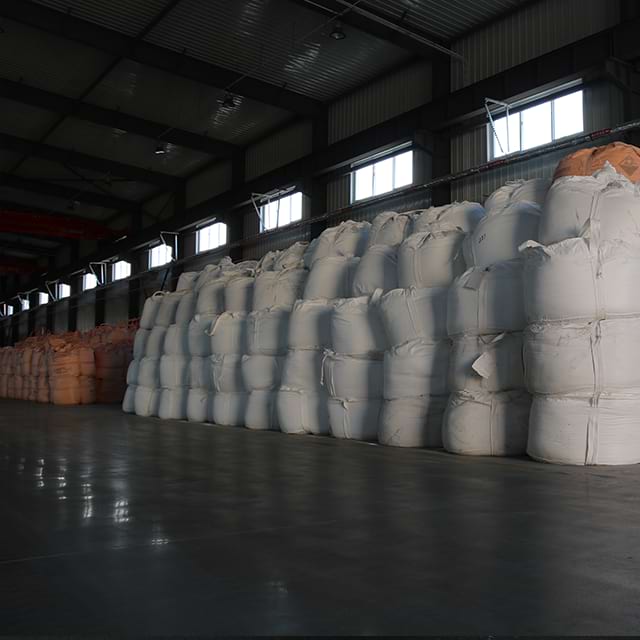
Maintaining the purity of High Purity Barium Chloride depends heavily on packaging and storage practices. Industrial and laboratory grades are typically packed in moisture-barrier containers such as HDPE bottles, fiber drums with polyethylene liners, or sealed foil bags. These materials limit moisture uptake and airborne contamination. Storage areas should remain cool, dry, and well ventilated, with humidity controlled whenever possible. Clear labeling with batch numbers and hazard information supports traceability, inventory control, and safe handling throughout the product lifecycle.
Matching Product Form to Application Needs
Selecting the correct form of High Purity Barium Chloride is not a cosmetic choice. The presence or absence of crystal water affects stability, handling, dissolution behavior, and process control. In professional applications, form selection should align closely with reaction design, environmental conditions, and quality requirements.
| Selection Dimension | Anhydrous BaCl₂ | BaCl₂·2H₂O (Dihydrate) | Typical Application Scenarios | Technical & Operational Notes |
| Chemical Formula | BaCl₂ | BaCl₂·2H₂O | — | Form choice affects molecular weight and dosing |
| Molecular Weight | 208.23 g/mol | 244.26 g/mol | Stoichiometric calculations | Required for accurate molar preparation |
| Water Content | 0% | ~14.8 wt% (2 H₂O) | Moisture-sensitive systems | Critical for mass-based formulations |
| Hygroscopicity | Very high | Moderate | Dry processing environments | Anhydrous form absorbs moisture rapidly |
| Storage Stability (Ambient) | Lower | Higher | Warehousing and transport | Dihydrate more stable at room conditions |
| Recommended Storage | Dry box or desiccator | Sealed container, dry room | — | Humidity control advised for both |
| Water Solubility (25 °C) | High (rapid dissolution) | ~37 g / 100 g H₂O | Solution preparation | Both fully dissociate in water |
| Thermal Behavior | Stable, no dehydration | Loses water above ~55 °C | Heated processes | Dihydrate converts gradually to anhydrous |
| Preferred Use in Analysis | Limited | Highly preferred | Gravimetric sulfate analysis | Dihydrate offers better reproducibility |
| Preferred Use in Heat Treatment | Common | Less common | Salt bath metallurgy | Anhydrous avoids water introduction |
| Use in Electronics / Materials | Common | Occasional | Advanced materials synthesis | Moisture control is decisive |
| Dosing Accuracy | Higher (by mass) | Requires correction | Precision formulation | Adjust for hydration state |
| Handling Convenience | Lower | Higher | Routine lab operations | Dihydrate easier for daily use |
| Cost Consideration | Usually higher | Generally lower | Procurement planning | Depends on purity grade |
| Purity Availability | Up to 99.999% | Up to 99.999% | Trace-metal-sensitive uses | Both available in ultra-high purity |
| Regulatory Acceptance | Accepted | Accepted | Industrial and lab compliance | COA and SDS required |
Tip:If your process involves solution preparation, analytical measurements, or routine laboratory work, the dihydrate form provides better stability and handling control. Choose the anhydrous form only when water content must be strictly excluded and storage conditions can be tightly managed.
Conclusion
High Purity Barium Chloride is essential for laboratories and industries that demand accuracy and consistency. Its high solubility, stable ionic behavior, and controlled purity support reliable analysis, heat treatment, and advanced material production. Selecting the right grade, form, and specifications directly improves process stability and product quality. Qingdao Red Butterfly Precision Materials Co., Ltd. provides high purity barium chloride with strict quality control, detailed documentation, and professional support, helping customers reduce risk, improve efficiency, and maintain long-term operational reliability across precision-driven applications.
FAQ
Q: What is High Purity Barium Chloride?
A: High Purity Barium Chloride is a refined inorganic salt with controlled trace metals, used where accuracy and consistency matter.
Q: Why is High Purity Barium Chloride preferred over standard grades?
A: High Purity Barium Chloride reduces impurities that can interfere with reactions, improving reliability in labs and industry.
Q: How is High Purity Barium Chloride used in laboratories?
A: High Purity Barium Chloride supports sulfate analysis, calibration, and research by providing predictable ionic behavior.
Q: What industries use High Purity Barium Chloride most?
A: High Purity Barium Chloride is widely used in metallurgy, electronics, materials science, and chemical manufacturing.
Q: Does High Purity Barium Chloride cost more than technical grade?
A: High Purity Barium Chloride costs more due to stricter testing, but it delivers better performance and consistency.

 English
  العربية
  Français
  Русский
  Español
  Português
  Deutsch
  italiano
  日本語
日本語  한국어
한국어  Nederlands
  Tiếng Việt
  ไทย
ไทย  Polski
  Türkçe
  አማርኛ
አማርኛ  ພາສາລາວ
  ភាសាខ្មែរ
  Bahasa Melayu
  ဗမာစာ
ဗမာစာ  தமிழ்
தமிழ்  Filipino
  Bahasa Indonesia
  magyar
  Română
  Čeština
  Монгол
  қазақ
қазақ  Српски
  हिन्दी
  فارسی
فارسی  Kiswahili
  Slovenčina
  Slovenščina
  Norsk
Norsk  Svenska
  українська
  Ελληνικά
  Suomi
Suomi  Հայերեն
  עברית
עברית  Latine
  Dansk
Dansk  اردو
اردو  Shqip
Shqip  বাংলা
বাংলা  Hrvatski
  Afrikaans
  Gaeilge
  Eesti keel
  Māori
Māori 


