Introduction
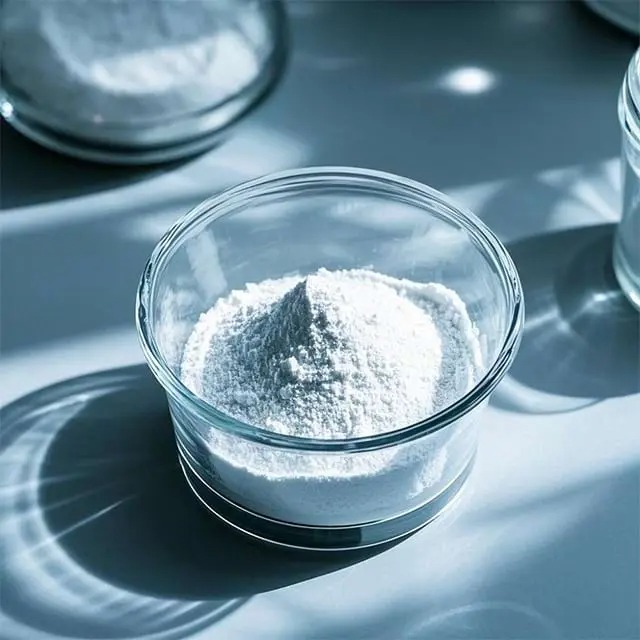
High Purity Barium Carbonate is revolutionizing materials engineering. No longer just a ceramic additive, it’s a precision material vital for advanced applications. This article delves into how high-purity versions outperform standard grades, enhancing ceramics, glass, and electronics. We will explore its defining features, applications, and why industries worldwide rely on its consistent performance for high-value products.
What Defines High Purity Barium Carbonate
Purity Grades and Industry Standards
Purity level is the primary factor that defines High Purity Barium Carbonate. Commercial grades typically range from 99% to 99.999%, and each tier serves a different performance requirement. Technical grades often support specialty glass and high-quality ceramics, while electronic grades target electro-ceramics and dielectric components. As purity increases, impurity-related defects decrease. This directly improves consistency during firing or sintering. For manufacturers, higher purity translates into stable yields and repeatable results across production batches.
Controlled Chemical Composition
High Purity Barium Carbonate is defined not only by what it contains, but also by what it excludes. Iron, alkali metals, and sulfate residues are carefully minimized. These trace elements can interfere with optical clarity, dielectric strength, or firing behavior. By maintaining a controlled chemical profile, manufacturers ensure predictable reactions during high-temperature processing. This consistency supports demanding applications where even small deviations affect performance. Chemical control also reduces corrective adjustments during production.
Physical Form and Particle Engineering
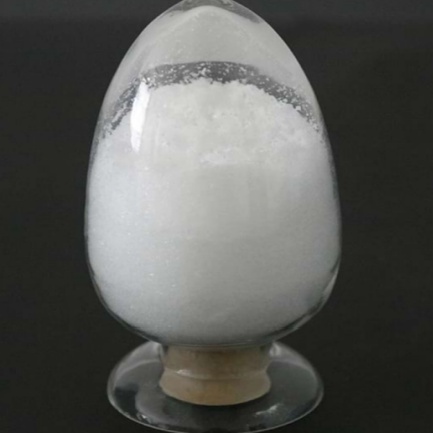
The physical form plays a crucial role in how High Purity Barium Carbonate behaves during processing. Fine powders allow for rapid reactions and uniform dispersion, making them ideal for electro-ceramics and optical glass. Granular forms improve handling efficiency and dosing stability in large-scale operations. Particle size distribution is tightly controlled to ensure uniform melting, sintering, or chemical conversion. The following table provides detailed technical specifications, applications, and considerations for various physical forms and particle sizes, helping manufacturers choose the right material form based on their needs.
| Physical Form | Applications | Particle Size/Distribution | Technical Specifications | Pros and Cons | Considerations |
| Fine Powder | Electro-ceramics, optical glass, ceramic glazes | 1-10 microns | 99% purity, consistent particle size; fast dissolution rate | Fast reaction, uniform dispersion; ideal for precision manufacturing | Dust generation during handling, requires air quality control and proper protective measures |
| Granular | Large-scale ceramics production, construction materials, brick and tile industries | 100-500 microns | Uniform particle distribution, easy handling; suitable for industrial-scale production | Efficient handling, easy to load, weigh, and transport; reduces dust and waste | Regular checks on particle uniformity are needed to avoid uneven distribution |
| Ultra-Fine Powder | Precision ceramics, electronic capacitors, sensor materials | <1 micron | High purity (99.999%); extremely low impurity content | High precision, enhances dielectric performance and stability for electro-ceramics | Extremely high particle size control required, higher production cost, suitable for high-end markets |
| Custom Granules | High-efficiency reactions, chemical processing, radiation shielding materials | Customizable particle size: 1-100 microns | Tailored to specific applications; dust-free, eco-friendly design | Offers flexible solutions, meets various processing needs | Adjust the particle size and distribution based on the raw material used and the industry |
Tip:For large-scale production, granular forms significantly enhance production efficiency, especially in construction materials and industrial ceramics. Fine powders are more suitable for high-precision applications like electronic ceramics or optical glass, but they require additional dust control measures.

Core Performance Features of High Purity Barium Carbonate
Fluxing and Thermal Performance
High Purity Barium Carbonate plays a crucial role in lowering the melting temperatures of ceramic and glass materials, particularly in specialty manufacturing processes. By acting as a flux, it facilitates smoother transitions during firing, reducing the energy required for heating. The precise control over the fluxing behavior in high-purity materials ensures uniform temperature management, which is vital for producing consistent, high-quality surfaces. This precise thermal performance is especially valuable in applications that require high-definition finishes, such as in optical glass and advanced ceramics, where any temperature inconsistencies can affect the end product's properties.
Optical and Dielectric Enhancement
In specialty glass and electro-ceramics, High Purity Barium Carbonate is indispensable for improving optical clarity and electrical properties. By increasing the refractive index, it enhances the brilliance and transparency of glass used in high-end optical devices, such as lenses and display panels. In electro-ceramics, its role in improving dielectric strength is critical for the reliable performance of capacitors and sensors. The low impurity levels in high-purity barium carbonate prevent electrical losses, ensuring that devices like capacitors and thermistors maintain stable function across a range of operating conditions, which is essential for the miniaturization and performance requirements of modern electronic components.
Chemical Stability and Process Reliability
The high chemical stability of High Purity Barium Carbonate under extreme temperature and processing conditions is a key feature for ensuring consistent production results. It remains chemically inert, preventing unwanted reactions that could lead to defects in the final product. This reliability is especially beneficial for automated and continuous manufacturing processes, where variations in raw materials can disrupt production. The consistent behavior of high-purity barium carbonate allows manufacturers to streamline their processes, reduce material waste, and improve product yield. For industries requiring strict quality control, such as electronics or specialty glass, the chemical stability of this material is critical for maintaining product integrity over long production runs.
High Purity Barium Carbonate in Advanced Ceramic Applications
Electro-Ceramics and Dielectric Materials
High Purity Barium Carbonate is crucial for the production of barium titanate and ferrite materials, which are fundamental in manufacturing capacitors, thermistors, and sensors. The purity level of the barium carbonate directly impacts the dielectric properties of these materials, such as their capacitance and insulation resistance. Low impurity content ensures minimal grain defects during sintering, which is essential for the reliable operation of these components at high frequencies and voltages. This purity is especially important as the demand for smaller, higher-performance electronic devices continues to grow, requiring advanced materials with consistent and predictable dielectric properties.
Technical Ceramics and Sanitaryware
In technical ceramics and sanitaryware, the addition of High Purity Barium Carbonate significantly enhances both the mechanical properties and visual appeal of the finished product. By reducing surface defects like pinholes and cracks, it ensures a smoother and more uniform surface. This results in improved glaze adhesion and reduces the likelihood of imperfections after firing. Furthermore, the precise control over the material’s chemical composition helps achieve consistent firing behavior, making it particularly valuable in high-end ceramics where aesthetic quality and durability are paramount. The ability to maintain consistent quality through each production batch is a key benefit for manufacturers.
Precision Control in Specialty Ceramic Bodies
Specialty ceramics require a high degree of precision in their formulation and processing to meet specific performance criteria. High Purity Barium Carbonate’s ability to deliver consistent chemical properties and particle size enables manufacturers to achieve tight control over the sintering process. This consistency is essential for applications where specific mechanical or electrical properties, such as thermal expansion or electrical conductivity, are required. The reduced variation from batch to batch not only minimizes defects but also allows for greater customization in ceramic bodies, providing manufacturers with the flexibility to meet complex application needs without frequent recalibration or process adjustments.
Market Applications in Glass and Optical Industries
Specialty and Optical Glass Manufacturing
High Purity Barium Carbonate plays a critical role in enhancing the optical properties of specialty glass. By increasing the refractive index, it improves light bending capabilities, which is essential for optical lenses, prisms, and high-clarity glass. Furthermore, it helps maintain the chemical durability of the glass, ensuring resistance to environmental factors such as moisture and acids. The high purity levels prevent impurities that could compromise optical clarity or introduce internal flaws, making it indispensable for producing high-performance optical components that meet stringent industry standards.
Electronic and Display Glass
In the production of electronic and display glass, High Purity Barium Carbonate is essential for ensuring the durability and optical performance of the glass. Its contribution to maintaining a uniform glass structure supports consistent light transmission and minimizes distortion, which is critical for high-resolution displays. Additionally, it enhances resistance to thermal stress, ensuring that the glass can withstand fluctuating temperatures during device operation. The ability to meet these durability and stability requirements makes High Purity Barium Carbonate indispensable for producing reliable, long-lasting electronic screens, including those in smartphones, televisions, and computer monitors.
Radiation and High-Density Glass Uses
High Purity Barium Carbonate is also crucial in the manufacture of radiation shielding and high-density glass. In applications where the glass must provide protection from harmful radiation, such as in medical or nuclear industries, its controlled density and uniformity are key. Purity consistency in the material ensures predictable performance, which is critical for maintaining the structural integrity and effectiveness of shielding glass. The ability of High Purity Barium Carbonate to maintain stable properties under high-energy conditions makes it an essential component for technical glass products used in radiation protection and other specialized industrial applications.
Construction and Industrial Processing Applications
Efflorescence Control in Bricks and Tiles
High Purity Barium Carbonate plays a pivotal role in brick and tile production by preventing efflorescence, the white, powdery deposits that often form on the surface due to soluble salts. It works by chemically binding these sulfates into an insoluble form, which prevents them from migrating to the surface. This process not only improves the aesthetic appearance but also enhances the long-term durability of the material. The consistent control of sulfate levels, ensured by high-purity barium carbonate, supports the durability of tiles and bricks, making them more suitable for modern, high-quality construction standards.
Large-Scale Industrial Ceramics
High Purity Barium Carbonate is essential for large-scale industrial ceramics, particularly in maintaining consistency across batches. It ensures uniform firing behavior and stable mechanical properties, which reduces the occurrence of defects such as cracks and warping. The precise control it offers allows manufacturers to maintain high production standards and minimize rejection rates. These benefits are crucial in continuous production systems, where process efficiency directly influences both cost and output. By enhancing consistency, it helps manufacturers achieve higher-quality products with minimal material wastage, resulting in cost savings and improved profitability.
Integration into Modern Manufacturing Lines
In modern automated manufacturing lines, High Purity Barium Carbonate is integrated seamlessly due to its controlled particle size and stable chemical properties. This allows for accurate dosing and consistent reactions, which are crucial in digital process control systems. The ability to predictably control these variables reduces the likelihood of errors or interruptions during production. For manufacturers, this translates into smoother production processes, increased efficiency, and lower labor costs, as the need for manual adjustments and interventions is minimized. Additionally, the stable performance of high-purity materials supports continuous improvement and scalability in manufacturing operations.
Global Market Demand and Application Trends
Electronics-Driven Growth for High Purity Barium Carbonate
The electronics industry is a major driver for the increasing demand for High Purity Barium Carbonate. As electronic devices become more compact and performance-driven, components such as capacitors, sensors, and advanced ceramics rely heavily on materials with minimal impurities to ensure stability and reliability. The miniaturization of electronics makes these devices more sensitive to contaminants, thereby requiring higher purity materials to maintain consistent performance. Additionally, the shift toward high-density and high-frequency applications in fields like 5G and IoT technology further escalates the need for premium-grade Barium Carbonate, ensuring optimal functionality and long-term durability in cutting-edge electronic products.
Regional Application Hotspots
Global demand for High Purity Barium Carbonate shows clear regional specialization. Each major market emphasizes different applications, purity levels, and quality controls based on its industrial structure. Understanding these regional patterns helps B2B buyers align material specifications with local production standards and downstream performance requirements.
| Region | Primary Application Sectors | Typical Purity Range | Key Technical Requirements | Industry Focus & Practices | Important Considerations |
| Asia-Pacific (China, Japan, South Korea) | Electro-ceramics, MLCCs, specialty glass, advanced ceramics | 99.9%–99.999% | Fe ≤ 10–30 ppm; alkali metals ≤ 50 ppm; particle size < 1–5 μm for electronic grades | High-volume electronics manufacturing; tight particle size and impurity control; strong demand for electronic-grade materials | Supplier qualification is strict; batch-to-batch consistency and traceability are critical |
| North America (USA, Canada) | Specialty glass, technical ceramics, chemical intermediates | 99%–99.9% | Controlled sulfate content; stable bulk density (g/cm³); consistent thermal behavior | Emphasis on performance reliability and regulatory compliance; preference for stable long-term supply | Compliance with OSHA and EPA handling standards is required |
| Europe (Germany, France, UK) | Optical glass, advanced ceramics, construction materials | 99%–99.9% | Low heavy metals; REACH-aligned impurity limits; controlled granulation | Focus on quality assurance, sustainability, and precision dosing in production | REACH documentation and material safety data must be complete and updated |
| Middle East & Africa | Construction ceramics, bricks, tiles, technical glass | 99%–99.5% | Effective sulfate binding capacity; particle size 50–300 μm for tile bodies | Infrastructure-driven demand; preference for granular forms for ease of handling | Logistics and storage conditions can influence material performance |
| Latin America | Bricks, tiles, general ceramics, specialty glass | 99%–99.5% | Stable granule size; consistent sulfate neutralization efficiency | Cost-performance balance; growing adoption of higher-quality ceramic additives | Quality consistency matters more than ultra-high purity in most applications |
Tip:When sourcing High Purity Barium Carbonate, align purity level and particle form with regional application norms. Over-specifying purity can raise costs without added value, while under-specifying may lead to performance risks in advanced manufacturing.
Shift Toward High-Performance Market Segments
The trend toward high-performance market segments is becoming more prominent as industries prioritize quality, reliability, and consistency over volume. High Purity Barium Carbonate plays a key role in supporting this shift, especially in advanced applications such as electronics, specialty glass, and precision ceramics. As manufacturers demand higher performance standards, the importance of technical and electronic grades grows, driven by the need for stable properties and minimal impurities. This shift is reflective of broader advancements in materials engineering, where performance and customization are becoming central to industrial progress.
Conclusion
High Purity Barium Carbonate has become an essential material across various industries, including ceramics, glass, electronics, and construction. With its precise purity control, stable chemical properties, and enhanced performance, it supports the production of advanced ceramics and specialty glass. Qingdao Red Butterfly Precision Materials Co., Ltd. provides High Purity Barium Carbonate that ensures reliability, efficiency, and long-term value for precision-driven applications. As industries demand higher performance and stricter quality standards, the need for high-purity materials will continue to rise.
FAQ
Q: What is High Purity Barium Carbonate?
A: High Purity Barium Carbonate is a specialized material with a purity level typically ranging from 99% to 99.999%. It is used in advanced ceramics, specialty glass, and electronic components, offering stable processing and predictable performance.
Q: How is High Purity Barium Carbonate used in ceramics?
A: High Purity Barium Carbonate enhances the properties of ceramics by providing uniform firing behavior, improved strength, and consistent surface finishes, making it ideal for both technical ceramics and sanitaryware applications.
Q: Why is High Purity Barium Carbonate important for optical glass?
A: It increases the refractive index and optical brilliance of specialty glass while maintaining clarity and chemical durability, crucial for high-end optical components and lenses.
Q: What are the benefits of using High Purity Barium Carbonate in electronic devices?
A: It helps improve the dielectric strength and stability of electro-ceramics, capacitors, and sensors, supporting miniaturization and higher performance in modern electronic devices.
Q: How does High Purity Barium Carbonate contribute to energy efficiency in glass manufacturing?
A: It acts as an efficient flux, reducing melting temperatures and improving phase transitions during firing, leading to lower energy consumption and smoother surface finishes in glass production.
Q: How does High Purity Barium Carbonate improve product consistency?
A: Its consistent chemical composition and controlled particle size distribution help reduce variations in manufacturing, ensuring stable yields and high-quality end products across production batches.

 English
  العربية
  Français
  Русский
  Español
  Português
  Deutsch
  italiano
  日本語
日本語  한국어
한국어  Nederlands
  Tiếng Việt
  ไทย
ไทย  Polski
  Türkçe
  አማርኛ
አማርኛ  ພາສາລາວ
  ភាសាខ្មែរ
  Bahasa Melayu
  ဗမာစာ
ဗမာစာ  தமிழ்
தமிழ்  Filipino
  Bahasa Indonesia
  magyar
  Română
  Čeština
  Монгол
  қазақ
қазақ  Српски
  हिन्दी
  فارسی
فارسی  Kiswahili
  Slovenčina
  Slovenščina
  Norsk
Norsk  Svenska
  українська
  Ελληνικά
  Suomi
Suomi  Հայերեն
  עברית
עברית  Latine
  Dansk
Dansk  اردو
اردو  Shqip
Shqip  বাংলা
বাংলা  Hrvatski
  Afrikaans
  Gaeilge
  Eesti keel
  Māori
Māori 


