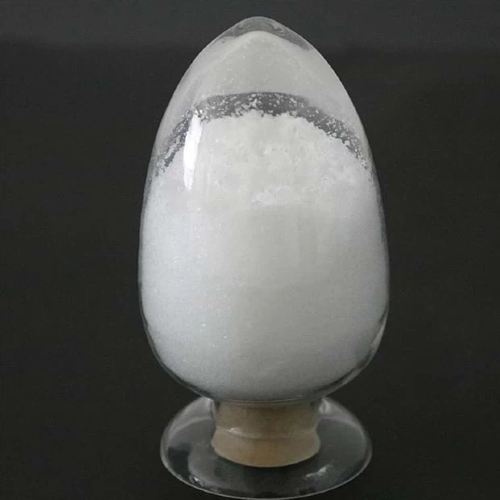
Barium Hydroxide Monohydrate (Ba(OH)₂·H₂O) is a highly important compound in a range of industrial applications, particularly in the production of Polyvinyl Chloride (PVC), a widely used thermoplastic material. PVC requires stabilizers to prevent degradation during processing, which can otherwise affect the material’s integrity, durability, and appearance. Barium Hydroxide Monohydrate serves as an essential stabilizer by neutralizing hydrochloric acid released during PVC processing, thereby preventing PVC degradation and improving the stability of the final product. Its role extends to enhancing the heat stability of PVC, ensuring that the material maintains its desired characteristics even under high processing temperatures.
However, the purity of Barium Hydroxide Monohydrate and the control of iron content are crucial for ensuring that it functions effectively as a stabilizer. Impurities, especially iron, can negatively impact the PVC's performance, leading to discoloration and reduced mechanical strength. This article will explore the critical role of purity and iron control in achieving high-quality PVC products.
1. What is Barium Hydroxide Monohydrate?
Barium Hydroxide Monohydrate is a chemical compound that consists of barium hydroxide combined with one molecule of water, forming a crystalline solid. It has the chemical formula Ba(OH)₂·H₂O, and is known for its strong alkaline properties. This compound is typically produced by reacting barium oxide (BaO) with water and is often used as a raw material in the manufacturing of various barium compounds.
Properties of Barium Hydroxide Monohydrate:
Appearance: White crystalline solid
Solubility: Soluble in water, forming a strongly alkaline solution
Density: 2.18 g/cm³
Molecular Weight: 171.34 g/mol
Melting Point: Decomposes above 780°C
Chemical Structure:
Barium Hydroxide Monohydrate is typically represented as Ba(OH)₂·H₂O, where:
Ba(OH)₂ represents barium hydroxide
H₂O represents the water of crystallization
Its basic nature makes it ideal for use in applications requiring alkaline conditions, including PVC stabilization.
2. Role of Barium Hydroxide Monohydrate in PVC Stabilizers
PVC stabilization is essential for improving the thermal stability and resistance to environmental factors, such as UV degradation and oxidation. Without stabilizers, PVC would degrade during processing, causing discoloration, brittleness, and a decrease in mechanical properties.
Barium Hydroxide Monohydrate serves as an effective stabilizer for PVC by neutralizing hydrochloric acid (HCl), which is released during the processing of PVC. This neutralization process helps to protect the PVC from decomposition and enhances the processing window, allowing for better fabrication of PVC products.
How Barium Hydroxide Monohydrate Works as a PVC Stabilizer:
Neutralization of HCl: During the thermal processing of PVC, hydrochloric acid is released as a byproduct. Barium Hydroxide Monohydrate reacts with this acid, neutralizing it and preventing it from causing degradation.
Improved Heat Stability: The compound enhances the heat stability of PVC, allowing it to withstand higher temperatures during processing without breaking down.
Enhanced Mechanical Properties: By preventing the degradation of PVC, Barium Hydroxide Monohydrate helps maintain the mechanical strength and flexibility of the final PVC products.
The role of Barium Hydroxide Monohydrate as a stabilizer is indispensable in ensuring that PVC products maintain their desired properties during both manufacturing and end-use.
3. Purity of Barium Hydroxide Monohydrate: Why it Matters
Purity is a critical factor when selecting any chemical for industrial applications, and Barium Hydroxide Monohydrate is no exception. The level of purity can directly influence the performance and reliability of PVC stabilizers. High-purity Barium Hydroxide Monohydrate is essential for ensuring that the stabilization process is effective and consistent.
Why High Purity is Essential:
Consistent Performance: Impurities in Barium Hydroxide Monohydrate can cause variability in performance. High-purity products ensure that the stabilizing reaction is predictable and consistent.
Prevention of Contamination: Impurities may introduce undesirable side reactions that could negatively affect the PVC product. For example, contaminants might lead to color changes or undesirable chemical reactions during processing.
Longer Shelf Life: High-purity Barium Hydroxide Monohydrate typically has a longer shelf life, reducing the risk of degradation during storage.
Purity Standards for Industrial Use:
The purity of Barium Hydroxide Monohydrate is often measured in terms of its barium content and the absence of unwanted elements such as iron, calcium, or magnesium. The higher the purity, the more effective it is as a PVC stabilizer. Industrial-grade Barium Hydroxide Monohydrate typically has a purity of over 98%.
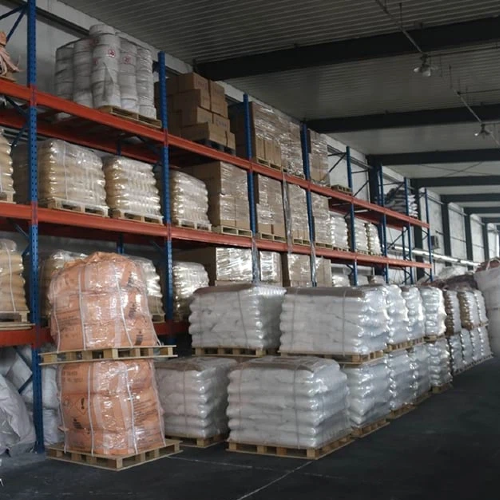
4. Iron Control in Barium Hydroxide Monohydrate
Iron contamination is one of the most common impurities that can affect the quality of Barium Hydroxide Monohydrate. Even trace amounts of iron can significantly impact the effectiveness of PVC stabilizers, leading to poor stabilization and compromised product quality.
Impact of Iron on PVC Stabilization:
Iron is a catalyst for the degradation of PVC, especially under heat and light exposure. It can promote oxidation reactions, which can lead to discoloration and embrittlement of PVC products. Therefore, controlling iron content in Barium Hydroxide Monohydrate is crucial to ensure that it performs optimally as a stabilizer.
Methods of Controlling Iron Content:
There are several methods used by manufacturers to control the iron content in Barium Hydroxide Monohydrate:
Purification During Manufacturing: Filtration and chemical treatments can help remove iron during the production process.
Use of High-Purity Raw Materials: Starting with high-purity barium compounds helps reduce the initial iron contamination.
Quality Control and Testing: Regular testing for iron content ensures that only batches meeting strict purity standards are used.
Table 1: Typical Iron Content in Different Grades of Barium Hydroxide Monohydrate
Grade of Barium Hydroxide Monohydrate | Iron Content (ppm) | Suitable Applications |
High-Purity (≥99%) | ≤10 ppm | Critical applications, e.g., medical-grade PVC |
Standard Purity (98%) | ≤50 ppm | General industrial applications |
Low-Purity (≤95%) | ≤200 ppm | Non-critical industrial uses |
Why Minimizing Iron Levels is Critical:
Maintaining low iron content ensures that Barium Hydroxide Monohydrate acts as a stable and effective stabilizer for PVC. By reducing the risk of unwanted chemical reactions, manufacturers can produce higher-quality PVC products with better performance characteristics.
5. Choosing the Right Barium Hydroxide Monohydrate Supplier
Selecting the right supplier for Barium Hydroxide Monohydrate is essential to ensure that the product meets the required purity and iron control specifications. Choosing a reliable supplier can significantly impact the overall quality of PVC stabilization.
Key Factors to Consider When Choosing a Supplier:
Quality Certification: Look for suppliers that provide certification of product purity and quality. Certifications like ISO 9001 can ensure that the supplier follows strict quality control procedures.
Supplier Reputation: Established suppliers with a good reputation in the market are more likely to provide consistent, high-quality products.
Testing and Documentation: Ensure that the supplier provides full documentation regarding the iron content and purity of the Barium Hydroxide Monohydrate, along with relevant batch testing reports.
Supply Chain Reliability: Choose suppliers with a reliable supply chain to avoid potential disruptions in production.
By choosing the right supplier, manufacturers can ensure that they are using a high-quality, consistent product that meets their specific needs.
6. Conclusion
Barium Hydroxide Monohydrate is a critical component in PVC stabilization, as it effectively neutralizes hydrochloric acid and enhances the overall stability and performance of PVC products. The purity of the compound and control over iron contamination are vital for ensuring the effectiveness of PVC stabilizers. By opting for high-purity Barium Hydroxide Monohydrate and minimizing iron levels, manufacturers can guarantee the production of high-quality, durable PVC products.
To achieve the best results, it is essential to partner with a reliable supplier who provides consistent, high-quality Barium Hydroxide Monohydrate. At Qingdao Red Butterfly Precision Materials Co., Ltd., we specialize in offering top-tier Barium Hydroxide Monohydrate with rigorous quality control standards. Our product ensures optimal performance, helping you achieve superior results in PVC stabilization. For more information or to discuss your specific needs, feel free to contact us. Let us assist you in enhancing your PVC production process with our premium-grade materials.
7. FAQ
1. What is the difference between high-purity and standard Barium Hydroxide Monohydrate?
High-purity Barium Hydroxide Monohydrate contains fewer impurities and lower levels of contaminants such as iron. It is specifically used in critical applications where product consistency and high performance are required, such as medical or food-grade PVC products.
2. How does iron contamination affect the performance of PVC stabilizers?
Iron contamination can act as a catalyst for the degradation of PVC, causing oxidation and discoloration. Even trace amounts of iron can significantly reduce the effectiveness of Barium Hydroxide Monohydrate as a stabilizer, compromising the quality of PVC products.
3. What are the common methods used to control iron content in Barium Hydroxide Monohydrate?
Iron content can be controlled through purification techniques during manufacturing, the use of high-purity raw materials, and strict quality control and testing procedures to ensure the final product meets purity standards.
4. Why is it essential to choose a reliable supplier for Barium Hydroxide Monohydrate?
A reliable supplier ensures that the Barium Hydroxide Monohydrate meets the required purity and iron content specifications. This guarantees that the stabilizing agent will perform consistently and effectively, improving the quality of PVC products.
5. Can Barium Hydroxide Monohydrate be used in other industries besides PVC stabilization?
Yes, Barium Hydroxide Monohydrate is used in a variety of industries, including the production of other barium compounds, the synthesis of high-purity chemicals, and as a catalyst in oil and gas refining.

 English
  العربية
  Français
  Русский
  Español
  Português
  Deutsch
  italiano
  日本語
日本語  한국어
한국어  Nederlands
  Tiếng Việt
  ไทย
ไทย  Polski
  Türkçe
  አማርኛ
አማርኛ  ພາສາລາວ
  ភាសាខ្មែរ
  Bahasa Melayu
  ဗမာစာ
ဗမာစာ  தமிழ்
தமிழ்  Filipino
  Bahasa Indonesia
  magyar
  Română
  Čeština
  Монгол
  қазақ
қазақ  Српски
  हिन्दी
  فارسی
فارسی  Kiswahili
  Slovenčina
  Slovenščina
  Norsk
Norsk  Svenska
  українська
  Ελληνικά
  Suomi
Suomi  Հայերեն
  עברית
עברית  Latine
  Dansk
Dansk  اردو
اردو  Shqip
Shqip  বাংলা
বাংলা  Hrvatski
  Afrikaans
  Gaeilge
  Eesti keel
  Māori
Māori 


