Introduction
Barium Hydroxide Octahydrate is a powerful compound with a wide range of industrial applications. Have you ever wondered how this highly alkaline substance impacts various industries? In this article, we will explore its key properties, uses, and importance in sectors like chemical manufacturing, water treatment, and organic synthesis. You’ll learn about its pivotal role in producing other barium compounds and its essential function in polymer stabilization.
What is Barium Hydroxide Octahydrate?
Chemical Structure and Formula
Barium Hydroxide Octahydrate is represented by the chemical formula Ba(OH)₂·8H₂O. It consists of one barium (Ba⊃2;⁺) ion bonded to two hydroxide (OH⁻) ions, with eight water molecules (H₂O) of hydration. The crystalline structure forms a stable, hydrated solid at room temperature, making it suitable for industrial use. This water of hydration gives the compound its unique properties and is crucial to its applications.
Key Physical Properties
Barium Hydroxide Octahydrate has several key physical properties that make it crucial for various industrial applications. Below is a detailed table outlining its main physical characteristics. This will help you better understand its technical specifications and applications.
Key Physical Properties
| Property | Description | Unit | Technical Specification | Applications/Precautions |
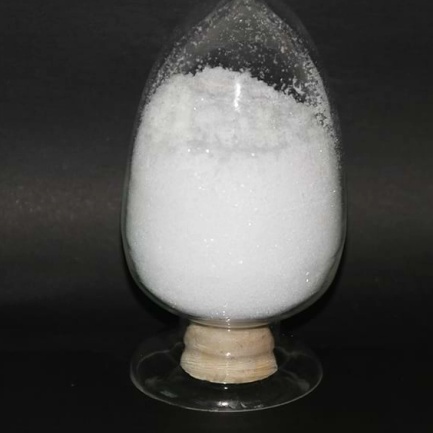
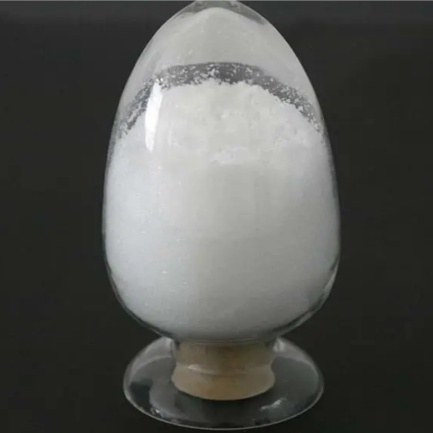
| Appearance | White crystalline powder or colorless crystals, odorless | - | - | Avoid direct contact with skin and eyes during use. |
| Molar Mass | 315.46 | g/mol | - | Used for calculating chemical reactions and stoichiometry |
| Solubility | Highly soluble in water, 3.9 g/100 mL at 20°C | g/100 mL | 3.9 (at 20°C) | Solubility increases with temperature, ideal for high-temperature reactions |
| pH Value | pH value in saturated aqueous solution is 14, strongly alkaline | - | pH = 14 | Suitable for reactions requiring an alkaline environment, such as organic synthesis |
| Thermal Stability | Dehydrates upon heating, converting to monohydrate or anhydrous form | - | Dehydration temperature: 78°C (for monohydrate) | Control temperature to avoid conversion into other forms during high-temperature processes |
| Melting Point | Approx. 78°C | °C | - | Ensure proper temperature control to avoid overheating during processing |
| Boiling Point | Approx. 780°C | °C | - | Prevent thermal decomposition during high-temperature use |
| Density | 2.18 g/cm³ (anhydrous form), 3.74 g/cm³ (monohydrate) | g/cm³ | Anhydrous density: 2.18, Monohydrate density: 3.74 | Be aware of the difference in density between different forms for accurate measurements |
Tip: When working with Barium Hydroxide Octahydrate, be mindful of its hygroscopic nature. Proper storage in dry environments is essential to prevent moisture absorption, which can affect its solubility and stability.
Thermal Properties and Decomposition
Thermal stability is an important characteristic of Barium Hydroxide Octahydrate. Upon heating, it loses its water of hydration and decomposes into barium hydroxide monohydrate at around 78°C. Further heating above 375°C results in the formation of anhydrous barium hydroxide, which is essential for certain industrial applications. This thermal decomposition process is vital for tailoring the compound's properties for specific uses.
Industrial Uses of Barium Hydroxide Octahydrate
Chemical Manufacturing
Barium Hydroxide Octahydrate is a key reagent in the synthesis of various barium salts, which are crucial for many industrial applications. It is used to manufacture barium sulfate, barium chloride, and barium nitrate, which serve as vital components in the production of pigments, rubber, and other chemical intermediates. Additionally, it plays an integral role in the production of barium titanate, a ceramic material used in the electronics industry for capacitors, piezoelectric devices, and advanced ceramics due to its high dielectric constant.
Applications in Glass and Ceramics
In the glass industry, Barium Hydroxide Octahydrate is used as a refining agent that removes undesirable impurities such as sulfur and metal oxides. This enhances the clarity and strength of the final glass product, making it ideal for use in high-performance glass products. In ceramics, it acts as a fluxing agent, reducing the melting point of raw materials and improving the texture and durability of the finished products. This makes it particularly valuable in producing fine porcelain and other specialty ceramics used in advanced applications.
Water Treatment and Environmental Applications
Barium Hydroxide Octahydrate is highly effective in environmental applications, particularly in water treatment. Its ability to react with sulfates to form insoluble barium sulfate precipitates helps remove unwanted ions and heavy metals from industrial wastewater. This is crucial for industries such as mining and manufacturing, where wastewater contamination is common. Additionally, it is used in municipal water treatment facilities to ensure safe drinking water by removing harmful contaminants and improving water quality before it reaches consumers.
Barium Hydroxide Octahydrate in Organic Synthesis
Catalytic Role in Organic Reactions
Barium Hydroxide Octahydrate is an essential reagent in various organic reactions due to its ability to act as a powerful base. It facilitates ester hydrolysis, aldol condensation, and decarboxylation by deprotonating substrates and making them more reactive. Its role as a catalyst in these reactions enhances the rate and selectivity of the transformation, which is crucial for producing valuable organic compounds in industries like pharmaceuticals and agrochemicals. Its strong basicity allows it to react with a wide variety of functional groups, making it versatile in organic synthesis.
Applications in Chemical Synthesis
In chemical synthesis, Barium Hydroxide Octahydrate plays a vital role in the production of key organic intermediates, such as cyclopentanone, diacetone alcohol, and D-gulonic γ-lactone. These compounds are critical for the pharmaceutical and chemical industries, where they serve as precursors for further transformations into active pharmaceutical ingredients or specialty chemicals. The compound’s role in ester hydrolysis and other reactions allows for precise control over product yields, making it indispensable for the synthesis of complex molecules used in drug development and industrial applications.
Use in Analytical Chemistry
Barium Hydroxide Octahydrate is widely employed in analytical chemistry for titrations, especially when determining the concentration of weak organic acids. Its aqueous solution is free of carbonate contamination, which can interfere with other hydroxides in titration reactions. This makes it an ideal reagent for accurate measurements, particularly when precise quantification of acidic substances is required. Its use is essential in laboratory settings, where precision is key, such as in the pharmaceutical industry for quality control, environmental testing, and chemical analysis.
Barium Hydroxide Octahydrate in Plastics and Polymers
Stabilization of PVC and Other Thermoplastics
Barium Hydroxide Octahydrate is widely used as a heat stabilizer in PVC and other thermoplastics. By preventing the degradation of the polymer during high-temperature processing, it ensures the material maintains its strength and durability. Below is a detailed table summarizing its role as a stabilizer, technical parameters, and applications in PVC production.
| Property | Description | Unit | Technical Specifications | Applications/Precautions |
| Function | Acts as a heat stabilizer for thermoplastics like PVC | - | Prevents polymer degradation during processing | Ensures long-lasting, durable products |
| Processing Temperature | Effective in high-temperature processing of PVC | °C | 180–230°C | Critical for ensuring stability during polymerization |
| Degradation Prevention | Protects PVC from heat-induced degradation | - | Retains polymer integrity | Key for producing high-quality, stable products |
| Molecular Interaction | Stabilizes polymer chains during high-heat exposure | - | Forms complexes that inhibit thermal breakdown | Enhances durability in pipes, flooring, and medical devices |
| Solubility in PVC | Dissolves in PVC formulations during processing | g/100 mL | Solubility increases with temperature | Prevents discoloration and brittleness in finished products |
Tip: When incorporating Barium Hydroxide Octahydrate into PVC, ensure proper mixing to achieve uniform dispersion. This is essential for maximizing the stabilization effect, particularly in products exposed to high temperatures or harsh environments.
Use in Synthetic Rubber Production
Barium Hydroxide Octahydrate is a critical component in the vulcanization of synthetic rubber, where it acts as a stabilizer and catalyst. By promoting the crosslinking of rubber molecules, it enhances the material’s thermal stability, elasticity, and resistance to aging. This is particularly beneficial in products like tires, seals, and gaskets, which are exposed to extreme temperatures and mechanical stress. The compound’s ability to improve the rubber’s durability and performance under harsh conditions makes it indispensable for manufacturing high-performance rubber goods used in automotive, industrial, and consumer applications.
Other Industrial and Commercial Applications
Oil & Gas Industry
Barium Hydroxide Octahydrate plays a vital role in the oil and gas industry, especially in drilling muds, where it aids in stabilizing the drilling fluid and removing impurities. It helps maintain the proper density and viscosity of the fluid, improving borehole stability and reducing the likelihood of operational failures. Additionally, in petroleum refining, it is used in desulfurization processes to produce ultra-low sulfur fuels, which meet stringent environmental standards and help reduce harmful emissions, ensuring compliance with global regulations.
Lubricants and Greases
In lubricants and greases, Barium Hydroxide Octahydrate acts as a stabilizer, improving both thermal and oxidative stability. This is crucial in high-temperature environments where lubricants are exposed to intense heat, preventing them from breaking down or losing effectiveness. The compound ensures that lubricants retain their protective properties, reducing friction and wear, which ultimately extends the lifespan of machinery. Its use is especially beneficial in heavy-duty industrial machinery, automotive engines, and equipment that undergoes high stress and temperature fluctuations.
Use in Food and Pharmaceutical Industry
Barium Hydroxide Octahydrate has significant applications in both the food and pharmaceutical industries. In food processing, it is used in the sugar refining industry to remove impurities from beet sugar, improving the quality of the final product. In pharmaceuticals, it is essential for preparing specialized chemical formulations, including homeopathic remedies. Its ability to purify materials by removing unwanted substances makes it indispensable for ensuring the consistency and safety of products in both sectors, where precision and purity are paramount.
Handling and Safety of Barium Hydroxide Octahydrate
Toxicity and Corrosiveness
Barium Hydroxide Octahydrate is known for its toxicity and corrosive properties, which can cause severe harm if not handled correctly. Below is a detailed table summarizing its toxicity levels, recommended safety measures, and handling precautions to ensure safe usage.
| Property | Description | Unit | Technical Specifications | Precautions/Applications |
| Corrosiveness | Causes severe burns upon contact with skin or eyes | - | Skin Corrosion Category: 1B | Always wear gloves, face shield, and protective clothing |
| Toxicity (Oral) | Harmful if swallowed, may cause gastrointestinal irritation | LD50 (Rabbit): 550 mg/kg | - | Do not ingest; ensure proper storage away from food |
| Toxicity (Inhalation) | Inhalation of dust causes respiratory irritation | - | IDLH: 50 mg/m³; TWA: 0.5 mg/m³ | Work in a well-ventilated area, use respirators if necessary |
| Skin Contact | Direct skin contact can cause severe chemical burns | - | Skin Corrosion: 1B | Wear impervious gloves and protective clothing |
| Eye Contact | Can cause serious eye damage | - | Eye Damage: 1 | Use safety goggles or face shields when handling |
Tip: Always store Barium Hydroxide Octahydrate in a secure, dry place away from moisture and incompatible materials. Ensure that safety protocols, including the use of personal protective equipment (PPE), are followed strictly to minimize risks.
Proper Storage Guidelines
Barium Hydroxide Octahydrate must be stored in tightly sealed containers to prevent moisture absorption, as it is highly hygroscopic. Ideal storage conditions include a cool, dry environment, with temperatures ranging from 5°C to 30°C. Ensure that containers are kept away from direct sunlight and sources of heat to maintain the compound's stability. Additionally, it is crucial to store it in a well-ventilated area, free from acid vapors or reactive substances, to avoid chemical reactions that could compromise its quality and efficacy.
PPE and Environmental Safety
When handling Barium Hydroxide Octahydrate, wearing appropriate personal protective equipment (PPE) is essential to ensure safety. Use chemically resistant gloves, safety goggles, and face shields to protect against skin and eye contact. Respirators should be worn if there is a risk of inhaling dust or fumes. Proper ventilation, such as fume hoods, is necessary to prevent inhalation of harmful dust. In terms of environmental safety, ensure that waste disposal protocols are followed to prevent contamination of water systems and soil, as even small amounts can pose environmental risks.
Conclusion
Barium Hydroxide Octahydrate is a versatile compound used in various industries, including chemical manufacturing, water treatment, and organic synthesis. Its exceptional properties, such as high alkalinity and solubility, make it indispensable for numerous applications. Products like Qingdao Red Butterfly Precision Materials Co., Ltd.'s Barium Hydroxide Octahydrate offer significant value by enhancing chemical processes and improving industrial efficiency. By adhering to proper safety and storage guidelines, businesses can harness its full potential for long-term success.
FAQ
Q: What is Barium Hydroxide Octahydrate?
A: Barium Hydroxide Octahydrate (Ba(OH)₂·8H₂O) is a highly alkaline, water-soluble compound used in various industrial applications, including chemical manufacturing and water treatment.
Q: How is Barium Hydroxide Octahydrate used in water treatment?
A: Barium Hydroxide Octahydrate is used as a flocculant in water treatment, helping remove sulfates and other contaminants by precipitating barium sulfate.
Q: Why is Barium Hydroxide Octahydrate important in organic synthesis?
A: Barium Hydroxide Octahydrate acts as a strong base catalyst, facilitating reactions like ester hydrolysis and aldol condensation, essential for organic chemistry.
Q: What industries use Barium Hydroxide Octahydrate?
A: Barium Hydroxide Octahydrate is widely used in industries like chemical manufacturing, glass production, water treatment, and synthetic rubber production.
Q: Is Barium Hydroxide Octahydrate hazardous to handle?
A: Yes, Barium Hydroxide Octahydrate is highly corrosive and toxic. Proper safety precautions, such as gloves and goggles, are essential when handling it.
Q: How does Barium Hydroxide Octahydrate stabilize PVC?
A: Barium Hydroxide Octahydrate stabilizes PVC by preventing polymer degradation during high-temperature processing, ensuring durability in products like pipes and flooring.

 English
  العربية
  Français
  Русский
  Español
  Português
  Deutsch
  italiano
  日本語
日本語  한국어
한국어  Nederlands
  Tiếng Việt
  ไทย
ไทย  Polski
  Türkçe
  አማርኛ
አማርኛ  ພາສາລາວ
  ភាសាខ្មែរ
  Bahasa Melayu
  ဗမာစာ
ဗမာစာ  தமிழ்
தமிழ்  Filipino
  Bahasa Indonesia
  magyar
  Română
  Čeština
  Монгол
  қазақ
қазақ  Српски
  हिन्दी
  فارسی
فارسی  Kiswahili
  Slovenčina
  Slovenščina
  Norsk
Norsk  Svenska
  українська
  Ελληνικά
  Suomi
Suomi  Հայերեն
  עברית
עברית  Latine
  Dansk
Dansk  اردو
اردو  Shqip
Shqip  বাংলা
বাংলা  Hrvatski
  Afrikaans
  Gaeilge
  Eesti keel
  Māori
Māori 


