In modern agriculture, soil quality plays a vital role in ensuring healthy crops and maximizing agricultural productivity. Farmers and agricultural experts are always on the lookout for ways to improve soil fertility and combat various soil-related challenges. One of the lesser-known yet highly effective compounds in this regard is barium chloride. While barium chloride is primarily known for its industrial uses, it has also found its way into agricultural applications due to its unique properties and benefits for soil treatment.
Barium chloride, a water-soluble compound, is traditionally used in the manufacturing of barium-based chemicals, but its applications in agriculture have gained attention due to its ability to improve soil fertility, structure, and overall health. In this article, we’ll delve into the uses of barium chloride in agriculture, its impact on soil treatment, and how it can contribute to better crop yields.
At Qingdao Red Butterfly Precision Materials Co., Ltd., we specialize in providing high-quality barium chloride products designed to support agricultural practices and improve soil quality. Our products are designed with sustainability and efficiency in mind, helping farmers optimize their crops and maintain a healthy soil ecosystem. If you're looking to improve your agricultural practices, feel free to reach out to us for further guidance and support.
What Is Barium Chloride?
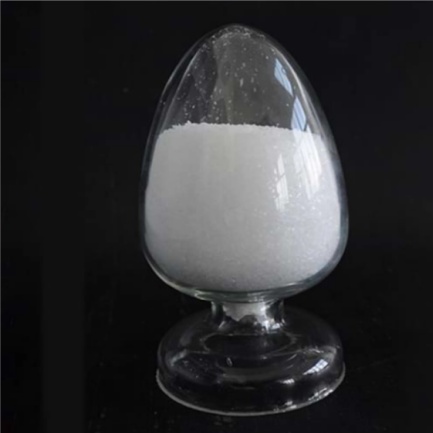
Barium chloride (BaCl2) is an inorganic compound that consists of barium and chlorine. It is typically produced by reacting barium carbonate with hydrochloric acid. The resulting product is a white, crystalline salt that is highly soluble in water, making it suitable for a variety of industrial and agricultural uses.
In agriculture, barium chloride is primarily used as a soil amendment. Its primary benefits come from its ability to address soil acidity, promote nutrient availability, and support plant health. It is particularly useful in improving soil fertility by adjusting pH levels and reducing the presence of certain toxic elements in the soil.
How Barium Chloride Affects Soil
Barium chloride (BaCl₂) is a versatile compound that plays a significant role in improving soil quality and fertility. One of its primary uses in agriculture is to adjust soil pH, facilitating better nutrient uptake and improving overall soil structure. Here's a deeper look at how barium chloride affects soil and its benefits for agricultural practices.
1. pH Adjustment
Soil pH is one of the most important factors that influence plant growth. When the soil is too acidic, it can hinder the availability of essential nutrients like nitrogen, phosphorus, and potassium. These nutrients are vital for plant health and growth. In acidic soils, many essential elements become less soluble, making it difficult for plants to absorb them effectively. Additionally, acidic soils can lead to the leaching of toxic metals such as aluminum, which can further harm plant roots and hinder growth.
2. Improving Soil Structure
Soil structure plays a crucial role in determining how well plants grow. Well-structured soil allows for better water retention, improved aeration, and easier root penetration, all of which are essential for plant health. However, in soils with a high clay content, the particles can become compacted, leading to poor aeration and reduced water drainage. This can create an environment where roots struggle to access water and nutrients, ultimately affecting plant growth.
3. Reducing Toxicity
Acidic soils often contain high levels of toxic metals, such as aluminum, that can negatively affect plant growth. These metals are more soluble in acidic conditions, which means they can be absorbed by plant roots and interfere with nutrient uptake. High concentrations of these toxic elements can cause damage to plant roots, leading to stunted growth and, in severe cases, plant death.
Barium chloride helps reduce the solubility of these toxic metals in the soil, effectively neutralizing their harmful effects. When barium chloride is applied, it alters the chemical composition of the soil, making the toxic metals less available to plants. This helps create a safer and more conducive environment for plants to grow and thrive. Reducing toxicity levels in the soil is crucial for improving crop yields and ensuring the long-term health of the soil ecosystem.
4. Improved Nutrient Availability
In addition to raising soil pH and reducing toxicity, barium chloride also enhances nutrient availability in the soil. As the pH of the soil increases to a more neutral level, essential nutrients become more accessible to plant roots. This includes important macronutrients like nitrogen, phosphorus, and potassium, as well as micronutrients like iron, magnesium, and calcium.
5. Long-Term Soil Health
Regular application of barium chloride can help maintain soil health over time. By maintaining a balanced pH, reducing toxicity, and improving soil structure, barium chloride creates a stable environment for plant roots to grow and access nutrients. This promotes long-term soil fertility and reduces the need for frequent soil amendments or interventions.
6. Sustainability in Agriculture
Barium chloride’s ability to improve soil quality and fertility makes it an excellent tool for promoting sustainable agriculture. By improving nutrient availability, raising pH levels, and enhancing soil structure, barium chloride helps farmers maintain healthy soils without relying heavily on synthetic fertilizers or pesticides. This reduces the environmental impact of farming and supports eco-friendly farming practices.
Benefits of Using Barium Chloride in Agriculture
Enhanced Soil Fertility
By adjusting the soil’s pH and improving nutrient availability, barium chloride enhances soil fertility. It allows plants to access essential nutrients more effectively, promoting stronger growth, better flowering, and higher yields. This makes it particularly beneficial for farmers looking to improve the productivity of their crops, especially in areas with acidic or nutrient-poor soils.
Increased Crop Yields
When the soil’s pH is optimized and the nutrient levels are balanced, crops grow more effectively, resulting in higher yields. Barium chloride helps create the ideal soil conditions for plant growth, leading to improved crop health and more abundant harvests.
Sustainable Farming Practices
Barium chloride’s ability to improve soil health and reduce the need for excessive fertilizers makes it an environmentally sustainable solution. It helps reduce the leaching of harmful substances into the environment, promotes better water retention, and supports long-term soil health, which is crucial for maintaining sustainable farming practices.
Cost-Effective Solution
By improving soil quality and promoting better nutrient availability, barium chloride can reduce the need for chemical fertilizers and pesticides. This makes it a cost-effective solution for farmers, as it helps lower input costs and increase overall agricultural productivity.
Applications of Barium Chloride in Agriculture
Soil Amendment
Barium chloride is commonly used as a soil amendment to improve soil pH and fertility. It is particularly effective in acidic soils where it can help raise the pH to a more neutral level, making the soil more suitable for plant growth.
Reduction of Soil Toxicity
Barium chloride is effective in reducing soil toxicity, particularly in soils that are contaminated with harmful metals such as aluminum. By neutralizing these toxic substances, it helps create a safer environment for plants and improves overall soil health.
Improving Soil Structure
Barium chloride is used to improve soil structure, especially in heavy clay soils. It helps in the flocculation of fine soil particles, improving aeration, drainage, and moisture retention, all of which are vital for plant root growth.
Risks and Considerations When Using Barium Chloride
While barium chloride offers many benefits for soil treatment, it is important to use it carefully and in the right amounts. Overuse of barium chloride can lead to soil alkalinity that may affect plant growth negatively. Therefore, it is important to conduct a soil test before applying barium chloride to determine the appropriate amount required. Always follow recommended guidelines for its use and application to avoid any potential adverse effects on soil health.
Conclusion
Barium chloride plays a key role in improving soil quality, fertility, and structure in agriculture. By adjusting the pH levels of acidic soils, promoting nutrient availability, and enhancing soil structure, barium chloride is a valuable tool for farmers seeking to optimize crop yields and promote sustainable farming practices. Its versatility and cost-effectiveness make it an essential component in modern agriculture.
At Qingdao Red Butterfly Precision Materials Co., Ltd., we provide high-quality barium chloride products designed for agricultural applications. Our products are formulated to help farmers improve soil health, increase crop yields, and maintain sustainable farming practices. If you’re interested in learning more about how barium chloride can support your agricultural needs, feel free to contact us.
FAQs
What is the ideal pH range for soil after applying barium chloride?
The ideal pH range for most crops is between 6.0 and 7.0. Barium chloride is used to raise the pH of acidic soils to this range.
Can barium chloride be used on all types of soil?
Yes, barium chloride can be used on all soil types, including clay, loam, and sandy soils. However, the application rate may vary depending on the soil's acidity.
How long does it take for barium chloride to affect soil?
The effects of barium chloride can be observed within weeks after application, although the full impact on soil pH may take several months.
Is barium chloride safe for plants?
When used in the correct amounts, barium chloride is safe for plants. However, over-application can lead to soil alkalinity that may negatively affect plant growth. Always test your soil before application.

 English
  العربية
  Français
  Русский
  Español
  Português
  Deutsch
  italiano
  日本語
日本語  한국어
한국어  Nederlands
  Tiếng Việt
  ไทย
ไทย  Polski
  Türkçe
  አማርኛ
አማርኛ  ພາສາລາວ
  ភាសាខ្មែរ
  Bahasa Melayu
  ဗမာစာ
ဗမာစာ  தமிழ்
தமிழ்  Filipino
  Bahasa Indonesia
  magyar
  Română
  Čeština
  Монгол
  қазақ
қазақ  Српски
  हिन्दी
  فارسی
فارسی  Kiswahili
  Slovenčina
  Slovenščina
  Norsk
Norsk  Svenska
  українська
  Ελληνικά
  Suomi
Suomi  Հայերեն
  עברית
עברית  Latine
  Dansk
Dansk  اردو
اردو  Shqip
Shqip  বাংলা
বাংলা  Hrvatski
  Afrikaans
  Gaeilge
  Eesti keel
  Māori
Māori 


