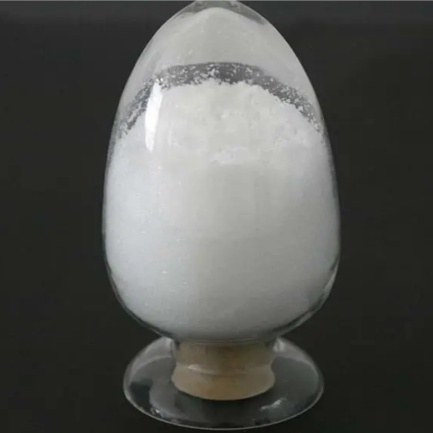
Barium Hydroxide Monohydrate is a highly versatile compound that plays an essential role in the chemical manufacturing industry. This compound, often used as an intermediate in various industrial processes, offers a wide range of applications, from water treatment to the synthesis of other barium compounds. Understanding its properties, applications, and benefits is crucial for manufacturers looking to optimize their production processes and explore new industrial applications.
In this article, we will delve into the versatility of Barium Hydroxide Monohydrate, its importance in different chemical manufacturing sectors, and why it remains a key component in industries such as water treatment, chemical production, and environmental management. We will also explore how it is produced, its physical and chemical properties, and why it’s valued across various applications.
What is Barium Hydroxide Monohydrate?
Definition and Composition
Barium Hydroxide Monohydrate (Ba(OH)₂·H₂O) is a chemical compound consisting of barium hydroxide and one water molecule. It is a white, odorless solid that is highly soluble in water, forming an alkaline solution. It is mainly produced by reacting barium oxide (BaO) with water to form barium hydroxide, which is then crystallized as a monohydrate.
The compound exists in various forms, including the anhydrous form (Barium Hydroxide) and the monohydrate form (Barium Hydroxide Monohydrate). The monohydrate form is widely used in chemical manufacturing due to its high reactivity and suitability for industrial processes.
Physical and Chemical Properties
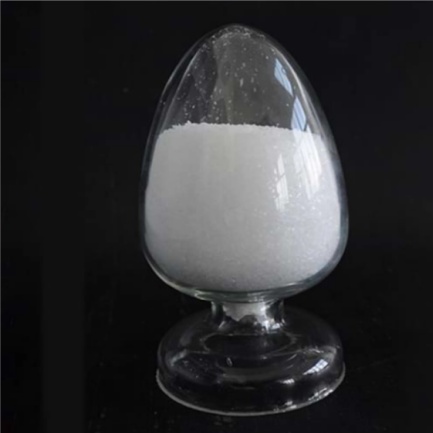
Appearance: White crystalline solid.
Solubility: Highly soluble in water, forming a clear, colorless solution.
pH: Strongly alkaline, making it useful in various neutralization processes.
Molecular Weight: Approximately 171.34 g/mol.
Melting Point: Approximately 78°C, after which it decomposes.
Reactivity: Reacts with acids to form barium salts, commonly used in industrial reactions.
Applications of Barium Hydroxide Monohydrate in Chemical Manufacturing
Barium Hydroxide Monohydrate (Ba(OH)₂·H₂O) is a highly versatile compound with numerous applications in the chemical manufacturing industry. Its ability to neutralize acids, form barium salts, and act as a catalyst in several reactions makes it indispensable for a range of industrial processes. Below, we will delve into the primary uses of Barium Hydroxide Monohydrate and its importance across different sectors.
1. Water Treatment and Purification
One of the most prominent applications of Barium Hydroxide Monohydrate is in water treatment, specifically for softening hard water and removing unwanted ions. The compound plays a crucial role in neutralizing acids and precipitating contaminants from water, helping to improve water quality for industrial and commercial use.
Water Softening
When used in water softening, Barium Hydroxide Monohydrate reacts with sulfate ions present in hard water, resulting in the formation of insoluble barium sulfate (BaSO₄), which can easily be removed. This process is essential in various industries where water purity is paramount.
Application Area | Reaction | Benefits |
Water Softening | Ba(OH)₂ + SO₄⊃2;⁻ → BaSO₄ | Removes hardness-causing ions, improving water quality. |
Removal of Sulfates | Ba(OH)₂ + H₂SO₄ → BaSO₄ | Reduces sulfate concentration in water systems, ensuring better water for industrial use. |
Water softening with Barium Hydroxide Monohydrate is particularly beneficial in industries such as pharmaceuticals, textiles, and food processing, where the use of pure water is essential for quality control and product safety.
2. Synthesis of Other Barium Compounds
Barium Hydroxide Monohydrate is an essential precursor in the synthesis of various barium compounds, which have wide-ranging applications in chemical manufacturing. Through simple reactions, it can produce compounds like barium carbonate (BaCO₃), barium chloride (BaCl₂), and other barium salts. These compounds are crucial in numerous industries such as glass manufacturing, ceramics, and pigments.
Barium Carbonate (BaCO₃): Used in the production of glass and ceramics, as well as a fluxing agent in some chemical processes.
Barium Chloride (BaCl₂): This compound is vital in the preparation of other barium salts and is also used in water treatment processes.
The ability to produce these compounds from Barium Hydroxide Monohydrate makes it a valuable chemical in the manufacturing chain. It allows for efficient production of materials that are fundamental in the creation of high-quality glass, ceramics, and pigments.
3. Catalyst in Chemical Reactions
Barium Hydroxide Monohydrate is widely used as a catalyst or base in several organic and inorganic chemical reactions. Its alkaline properties are particularly useful in processes like the transesterification of vegetable oils, which is crucial in biodiesel production. In this process, Barium Hydroxide Monohydrate helps facilitate the reaction between oils and alcohols, producing biodiesel and glycerol.
4. Manufacture of Lubricants and Greases
Barium Hydroxide Monohydrate plays a significant role in the formulation of high-performance lubricants and greases. These lubricants are essential in various industrial applications, particularly in machinery and automotive industries, where reducing friction and wear is vital for the longevity and efficiency of mechanical parts.
5. Environmental Applications
Barium Hydroxide Monohydrate is also a key player in environmental protection and waste management. It is used in neutralizing acidic waste products in various industrial processes. For example, it is effective in treating acidic wastewater, ensuring that it meets regulatory standards before being released into the environment.
Neutralization of Acidic Wastewater
Barium Hydroxide Monohydrate is often employed to neutralize acidic wastewater, which can be generated in industries such as metal processing, chemical manufacturing, and power plants. The neutralization of acidic water helps to prevent environmental contamination and ensures that the water is safe for discharge into natural water bodies.
Removal of Sulfur Compounds
Another significant environmental application is the removal of sulfur compounds from gas streams in power plants and other industrial facilities. Barium Hydroxide Monohydrate reacts with sulfur dioxide (SO₂) to form barium sulfate, a non-toxic and easily manageable byproduct. This helps reduce air pollution and limits the emission of harmful gases, contributing to cleaner and more sustainable industrial practices.
6. Barium Hydroxide Monohydrate in Other Applications
Barium Hydroxide Monohydrate’s versatile properties make it suitable for use in many other applications, including:
Plastic Stabilization: It is used in stabilizing plastic materials by acting as a base to neutralize acids and other reactive compounds.
Pharmaceuticals: In the pharmaceutical industry, Barium Hydroxide Monohydrate is used to neutralize certain compounds in drug formulations, ensuring their stability and efficacy.
Analytical Chemistry: Barium Hydroxide Monohydrate is employed in laboratory settings for qualitative analysis and as a reagent in chemical synthesis.
How Barium Hydroxide Monohydrate Contributes to Chemical Manufacturing Efficiency
Cost-Effective Chemical Reactions
Barium Hydroxide Monohydrate provides a cost-effective solution in many industrial processes. It is relatively inexpensive compared to other chemical alternatives and can be used to replace more costly reagents in water treatment and the production of barium salts. This makes it a preferred choice for chemical manufacturers looking to reduce production costs while maintaining high-quality outputs.
Improved Product Quality
In chemical synthesis, using Barium Hydroxide Monohydrate ensures the consistency of the products. Whether it’s in water softening, producing barium salts, or manufacturing lubricants, Barium Hydroxide Monohydrate contributes to high-quality end products by providing precise control over chemical reactions.
Environmental and Safety Considerations
While Barium Hydroxide Monohydrate offers numerous advantages in manufacturing, it is important to handle it with care. As an alkaline compound, it can cause irritation to the skin, eyes, and respiratory system if mishandled. Proper safety measures, such as wearing gloves, goggles, and working in a well-ventilated area, should always be followed.
Additionally, as a chemical compound that can form insoluble barium salts in water, care should be taken to ensure that waste disposal complies with local environmental regulations.
Conclusion
Barium Hydroxide Monohydrate is a highly versatile and essential chemical compound in many manufacturing processes. From water treatment to the synthesis of barium salts, this compound plays a vital role in improving chemical processes, reducing costs, and ensuring the quality of industrial products. Its applications in environmental management and waste treatment further highlight its importance in sustainable industrial practices.
At Qingdao Red Butterfly Precision Materials Co., Ltd., we are dedicated to providing high-quality, reliable chemical solutions, including Barium Hydroxide Monohydrate. Our products are designed to meet the needs of industries seeking to optimize their manufacturing processes and improve efficiency. If you are interested in learning more or discussing your specific requirements, please feel free to contact us. We are here to help you find the best chemical solutions for your business.
FAQ
1. What is Barium Hydroxide Monohydrate used for?
Barium Hydroxide Monohydrate is primarily used in water treatment, the synthesis of other barium compounds, and as a catalyst in chemical reactions. It also has applications in manufacturing lubricants, greases, and in environmental protection.
2. Is Barium Hydroxide Monohydrate safe to handle?
While Barium Hydroxide Monohydrate is safe when handled properly, it is a strong alkaline compound that can cause irritation. Proper safety equipment, such as gloves and goggles, should be worn, and the compound should be handled in a well-ventilated area.
3. How is Barium Hydroxide Monohydrate produced?
Barium Hydroxide Monohydrate is produced by reacting barium oxide (BaO) with water, which then crystallizes as a monohydrate. This process ensures that the product is highly soluble and reactive, making it suitable for various industrial applications.
4. Can Barium Hydroxide Monohydrate be used in environmental protection?
Yes, Barium Hydroxide Monohydrate is used in environmental applications, particularly in the neutralization of acidic waste products and the removal of sulfur compounds from industrial gas streams, helping to reduce environmental pollution.

 English
  العربية
  Français
  Русский
  Español
  Português
  Deutsch
  italiano
  日本語
日本語  한국어
한국어  Nederlands
  Tiếng Việt
  ไทย
ไทย  Polski
  Türkçe
  አማርኛ
አማርኛ  ພາສາລາວ
  ភាសាខ្មែរ
  Bahasa Melayu
  ဗမာစာ
ဗမာစာ  தமிழ்
தமிழ்  Filipino
  Bahasa Indonesia
  magyar
  Română
  Čeština
  Монгол
  қазақ
қазақ  Српски
  हिन्दी
  فارسی
فارسی  Kiswahili
  Slovenčina
  Slovenščina
  Norsk
Norsk  Svenska
  українська
  Ελληνικά
  Suomi
Suomi  Հայերեն
  עברית
עברית  Latine
  Dansk
Dansk  اردو
اردو  Shqip
Shqip  বাংলা
বাংলা  Hrvatski
  Afrikaans
  Gaeilge
  Eesti keel
  Māori
Māori 


